
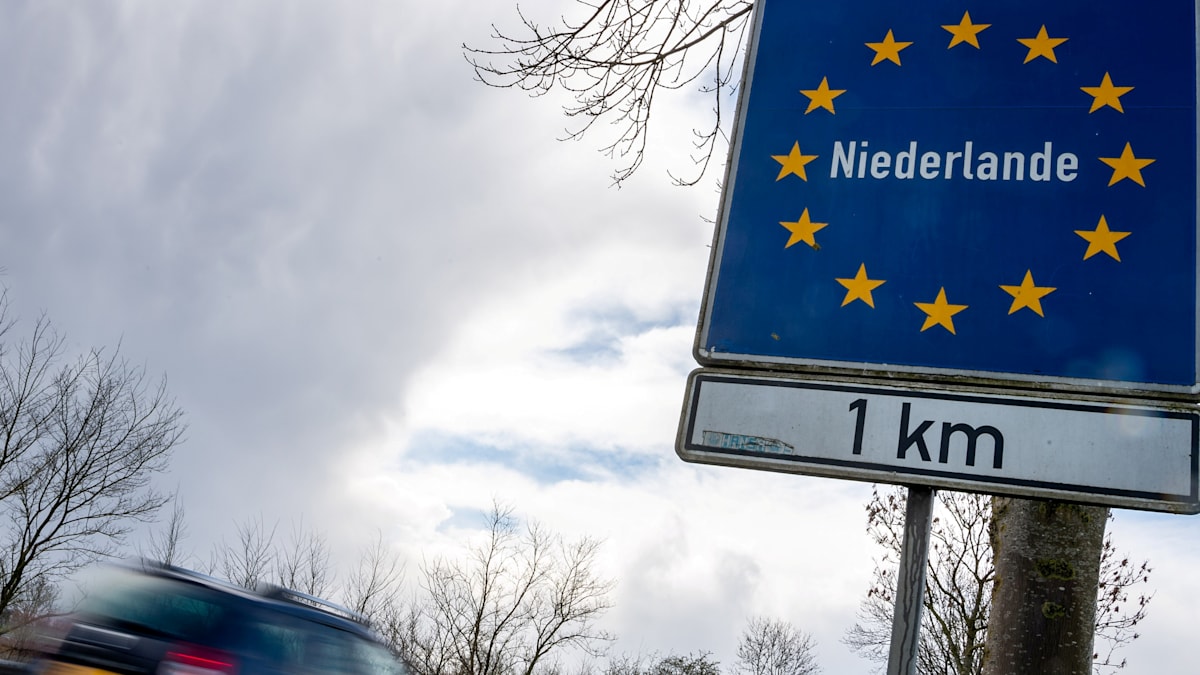
The debate over asylum policies in the Netherlands has reached a boiling point. Recently, citizens have taken it upon themselves to conduct vehicle checks at the German border in an effort to stop migrants. This contentious issue has garnered media attention, especially as right-wing populist Geert Wilders calls for military enforcement of border controls.
In the heated discussion surrounding asylum policies in the Netherlands, private individuals have organized vehicle checks at the German border. On Saturday night, along the B408 road, which runs from Haren (Ems) in Lower Saxony to the central reception center for refugees in Ter Apel, Netherlands, people wearing high-visibility vests and using flashlights stopped cars as documented in various media video recordings . The situation escalated when the Dutch government collapsed over a contentious debate regarding stricter asylum regulations.
The interim Migration Minister , David van Weel, urged citizens to refrain from taking the law into their own hands. “The influx of asylum seekers must be reduced. Therefore, we are pushing for stricter asylum laws and better border controls,” stated the minister. “While frustration is understandable, do not take the law into your own hands. Let the police and border officials do their work. Abide by the law,” van Weel emphasized.
Meanwhile, right-wing populist Geert Wilders described the citizen-led initiatives as a “fantastic initiative.” He asserted, “This should happen at every border.” Wilders threatened that if the government does not immediately deploy the military for border checks, “we should do it ourselves.” He expressed keen interest in participating in future citizen-led border control actions.
Wilders announced on Tuesday that his party would withdraw from the four-party coalition government, which had relied on his party as a major component. His justification for this withdrawal was that the other coalition partners were not prepared to meet his demands for a hardline approach to asylum policies.
Social Media Calls for Border Checks
The Dutch police and the border municipality of Westerwolde have stated that it is illegal for civilians to stop vehicles, as this task is solely within the purview of law enforcement. “Such actions create extremely dangerous situations on and along the roadway,” they communicated in a joint statement reported by De Gelderlander . “Such actions are truly unacceptable.” According to reports, there were calls on social media for renewed border checks on Sunday night.
The border checks involved approximately a dozen men who expressed their dissatisfaction with the uncontrolled passage of asylum seekers into the Netherlands. “Nothing is happening. So we’ll just do it ourselves,” a participant was quoted by the newspaper.
dpa/fhs
The recent escalation in the asylum debate is not unique to the Netherlands; it reflects a broader trend across Europe where rising tensions regarding migration policies have fueled reactions from both the political landscape and local communities. The situation in the Netherlands underscores the urgent need for effective border management and clearer guidelines for asylum seekers.
In light of the growing number of migrants attempting to reach Europe, several countries are grappling with how to balance humanitarian obligations with the need for security and order. As debates rage on about the role of governments versus citizen engagement in border control, one thing is clear: the proliferation of grassroots initiatives may indicate a sentiment of frustration among the populace.
Governments across Europe are under increasing pressure to develop comprehensive migration policies that accommodate security concerns while respecting the rights of migrants. Community involvement, as seen in the Netherlands, raises questions about the viability of civic actions in a traditionally state-controlled area.
Countries like Germany have implemented various measures to address the influx of asylum seekers, which include both humanitarian aid and stricter entry requirements. This balancing act has provoked discussions about the responsibilities of neighboring nations and their citizens in maintaining order and safety.
As the conversation continues, it will be essential for both government officials and community leaders to engage in dialogue to foster a sustainable approach to migration. This will not only involve legislative changes but may also require rethinking perceptions surrounding asylum seekers and migration.
The need for cohesive strategies becomes even more apparent as social media amplifies dissent and galvanizes public opinion. Without a clear and compassionate framework for addressing these issues, the cycle of frustration and fervor is likely to persist, influencing policy and public sentiment for the foreseeable future.