
Microsoft’s Ambitious $50 Billion Plan for the Global South
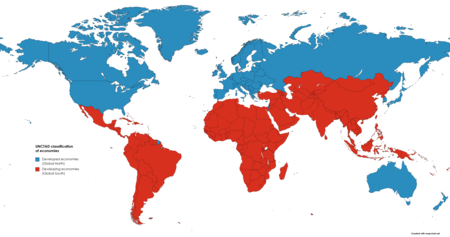
Microsoft is making waves with its unparalleled $50 billion investment dubbed the ‘Global South Plan’, pinpointing Latin America, Africa, and India as areas ripe for technological enhancement. This bold initiative aims to enhance access to artificial intelligence (AI), primarily targeting the growing digital inequities between developed and developing nations.
Addressing the Digital Divide
During the recent AI Impact Summit in New Delhi, Microsoft President Brad Smith highlighted the urgency of addressing disparities in digital access, especially in the Global South. According to Smith, while nations like those in the Global North report a significant adoption rate of generative AI tools, just 14.1% of the working-age population in the Global South utilizes these advanced technologies. By accelerating AI adoption and empowering local innovations, Microsoft intends to bridge this gap and bolster long-term growth in these regions.
The Core Tenets of Microsoft’s Plan
To actualize this ambitious goal, Microsoft has laid out a comprehensive strategy that includes:
Empowering Education and Nonprofits: By enhancing schools and nonprofit organizations with better technology and digital skills training, Microsoft aims to provide a foundation for future innovation.
Strengthening Multicultural AI Capabilities: Multilingual and culturally aware AI systems will be developed to ensure technology is accessible and relevant to diverse communities.
Encouraging Local AI Innovations: The initiative will focus on nurturing AI solutions that specifically address the unique challenges faced by local communities.
Monitoring AI Spread: Measurement tools will be implemented to assess the adoption and effectiveness of AI technologies, guiding future policies and investments.
Catalyzing Change Beyond Technology
Not limited to just improving digital access, Microsoft has also launched projects targeting specific societal issues. One such initiative is titled ‘Stop malnutrition with AI’, beginning in Kenya. This program utilizes AI to predict and prevent food shortages, providing crucial data for health organizations to act on impending risks.
Building Infrastructure: The Data Center Challenge
The $50 billion initiative includes constructing AI infrastructure, primarily focusing on data centers. However, this brings inherent challenges, particularly in resource-scarce regions. The energy and water requirements for these data centers could strain local resources, making the implementation of sustainable designs a necessity.
Conclusion
Microsoft’s plan marks a significant commitment to reducing inequality in technological access in the Global South. By investing substantially in AI, the software giant aims to ensure that emerging markets can share in the productivity advantages of digital transformation. As we move forward, the success of this initiative will rest not only on infrastructure but also on fostering local capabilities and addressing the very inequalities it seeks to eliminate.