
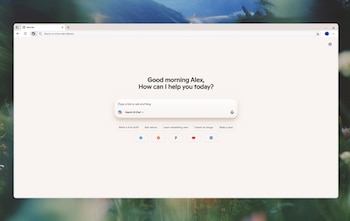
Microsoft has unveiled its new Copilot mode for Edge, a feature that utilizes artificial intelligence (AI) to revolutionize how users navigate the web. This innovative tool promises to streamline tasks, organize browsing sessions, and facilitate the comparison of information across multiple pages.
In an era where AI is reshaping our online experiences, companies like OpenAI , Perplexity , and The Browser Company have introduced their own navigation paradigms. Notable examples include the ChatGPT Agent , as well as the CUTE and Dia Navigators . Microsoft’s latest initiative aims to enhance user interaction with the web through its own brand of innovation.
By launching the Copilot mode in Edge as a trial feature, Microsoft is allowing users to experience enriched functionalities that enhance searching and task execution online. This mode incorporates a single entry box that seamlessly integrates chat and web navigation, making the overall browsing experience smoother and more intuitive.
In a statement from Microsoft, they elaborated on how the new Copilot mode incorporates extensive user feedback and AI assessments to assist in navigating the internet more efficiently. This feature is designed to capture user intentions, thus enabling more effective task completion and expedited search capabilities.
A standout capability of the Copilot mode is its ability to visualize all open tabs, giving it insight into the complete context of what users are currently exploring online. This comprehensive view allows the AI to proactively suggest actions and overall manage browsing tasks, whether it’s swiftly comparing different options or making informed decisions based on a user’s needs. The emphasis on safety , privacy , and performance remains a hallmark of Microsoft’s approach to integrating AI technologies.
For illustrative purposes, Microsoft shared a specific use case: when a user is looking for vacation rentals across various platforms, Copilot can access the relevant information from open tabs. The AI can then quickly curate options that align with the user’s preferences, be it proximity to the beach or availability of kitchen facilities.
Microsoft clarifies that this new feature can dramatically improve the efficiency of decision-making. “This translates into better comparisons, faster decisions, and less need to shift tabs,” the company stated. Integrating natural voice commands is an additional layer of user-friendliness, allowing users to instruct the AI agent vocally to execute actions such as opening new tabs.
While the Copilot mode has been released globally in a free experimental version, Microsoft emphasizes that users maintain the flexibility to revert to the classic Edge navigation experience at any moment. This user-centric approach showcases the company’s commitment to providing versatile solutions to meet varying user preferences.
Looking ahead, Microsoft has indicated plans to augment the Copilot’s functionalities further. Upcoming features may involve access to the user’s browsing history and credentials, paving the way for performing more advanced actions, like making reservations or comprehensively managing daily tasks.
As Microsoft takes strides in this AI-driven direction, the tech world watches closely. This shift toward AI-integrated web navigation not only places Microsoft at the forefront of innovation but also sets a precedent for how digital experiences will evolve. Companies across industries can learn from this bold move as they seek to enhance the user experience through technology.
In summary, Microsoft’s new Copilot mode for Edge is a significant step in the integration of artificial intelligence within web navigation. By focusing on enhancing user experience, streamlining tasks, and ensuring safety and performance, Microsoft is setting forth a new trajectory for web browsing that is likely to resonate with users looking for effective and efficient online capabilities. The digital landscape is changing, and with AI at its core, the future is undeniably bright.