
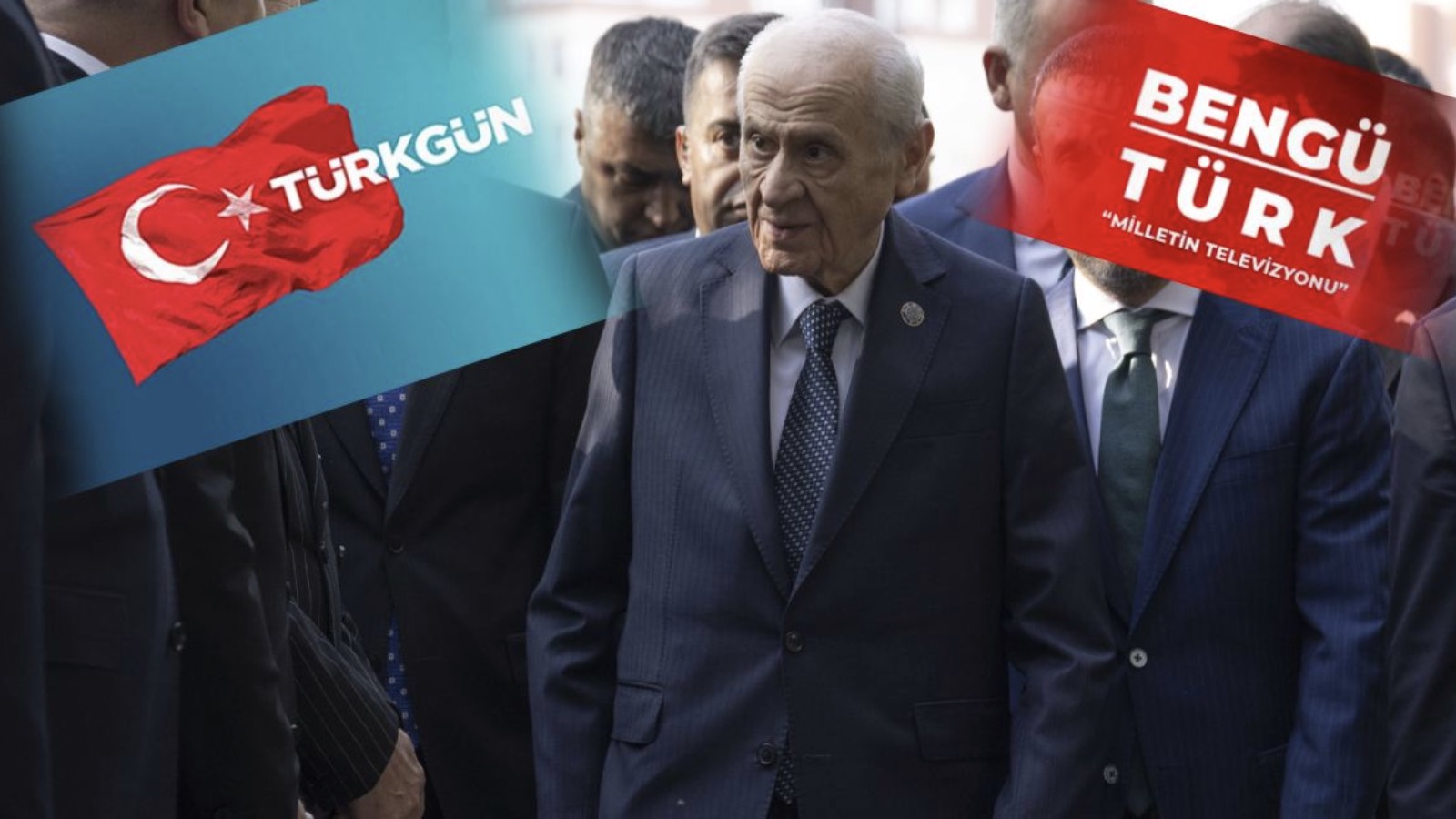
The Implications of MHP Leader Devlet Bahçeli’s Controversial Statements on Abdullah Öcalan
The political landscape in Turkey is often characterized by complexity and controversial statements. Recently, the leader of the Nationalist Movement Party (MHP), Devlet Bahçeli, made headlines with his remarks about Abdullah Öcalan, the imprisoned leader of the PKK (Kurdistan Workers’ Party). This article delves into the ramifications of these comments, which have stirred both political debates and media coverage.
Understanding the Context
On October 22, 2024, Bahçeli initiated what he termed the Imralı Process, referencing the island prison where Öcalan is held. His statement that if the PKK is to be dissolved, Öcalan could even come to the Turkish Parliament to address the Assembly was particularly striking. This pronouncement positioned Bahçeli in a controversial light, illuminating the ongoing tensions surrounding the PKK, a designated terrorist organization in Turkey and several other countries.
Traditionally, discussions involving Öcalan and the PKK evoke passionate responses from various factions within Turkish society. The MHP, known for its nationalist stance, is often seen as opposing any overture towards what they consider separatism. Bahçeli’s remarks appear to contradict this longstanding party line.
Media Reaction and Coverage
Bahçeli’s statements were not well-received across the board. Notably, MHP’s media affiliates were less than supportive. The party’s own publications, like Bengü Türk and Türkgün Gazette, chose to omit or alter the phrasing of Bahçeli’s remarks, particularly the use of "kurucu önder" or "founding leader" to describe Öcalan. Instead, they framed his comments in a more critical light by emphasizing "separatist terrorist activities."
Mainstream media channels like NTV and Hürriyet also followed suit, neglecting to highlight Bahçeli’s controversial designation of Öcalan, thereby raising questions about media bias and self-censorship.
Political Ramifications of the Imralı Process
The initiation of the Imralı Process has significant implications for Turkey’s political fabric. Following Bahçeli’s announcements, the Democracy and Progress Party (DEVA) took the initiative to visit the Imralı Prison. Such visits symbolize a possible shift in the approach towards handling issues related to the PKK and Öcalan.
On February 27, the PKK announced its intention to dissolve, an act that could signify a pivotal change in Turkey’s long-standing conflict. The expectation surrounding this process is high; many hope for the disarmament of the PKK and the formation of a dedicated parliamentary committee to address this issue. However, while discussions of a new constitution in Turkey continue to gain momentum, the public perception of Bahçeli’s statements is greatly mixed.
Public Reception and Human Rights Concerns
In recent years, public sentiment surrounding the PKK and Öcalan has shifted. While the nationalist narrative continues to hold sway in many circles, there are growing calls for a more human-rights-oriented approach to address the Kurdish issue. Critics argue that Bahçeli’s statements could complicate such efforts, given the long history of conflict and mistrust.
Social media has become a platform for debate, with journalists like Alican Uludağ raising pointed questions about MHP’s handling of Bahçeli’s remarks. Uludağ remarked on social media, noting the editorial changes made by Türkgün, which replaced “kurucu önder” with a phrase that underlines the threat of terrorism. This reflects the intricacies of media responsibility in shaping political discourse about sensitive topics.
Conclusion
Bahçeli’s assertions regarding Abdullah Öcalan have undoubtedly catalyzed a wave of political discussions and criticisms in Turkey. The implications of the Imralı Process remain to be seen as various political entities navigate this controversial terrain. As the landscape continues to evolve, one thing is certain: the interplay of nationalism, media framing, and public perception will significantly shape the future of Turkish politics in relation to the PKK and its leadership. Engaging in meaningful discussions about peace and reform may prove crucial if Turkey aims to resolve decades of conflict effectively.