
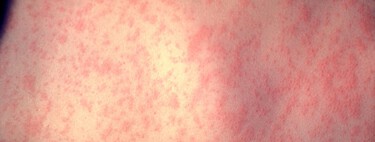
The Measles Crisis in Mexico: A Global Problem or Self-Inflicted?
Mexico is currently facing a severe measles crisis, with infections rising alarmingly across various regions and a significant number of fatalities. This situation leads us to question how a disease that was once nearly under control has resurged so dramatically.
The Government’s Defense: A Global Context
The Ministry of Health in Mexico has framed this crisis as part of a broader global trend. According to their narrative, the increase in measles cases is merely a local reflection of what many countries are experiencing. While this may serve to alleviate some political pressure, the argument falls short when one examines the specific data. Mexico’s measles outbreak is not just a replica of global trends; it is marked by intensity and lethality, revealing underlying issues within its public health system.
Understanding the Revived Threat of Measles
It’s essential to recognize the global resurgence of measles. According to the World Health Organization, there were over 552,000 suspected cases across 179 countries in 2025. This resurgence coincided with declining vaccination rates as global attention shifted almost entirely to COVID-19. The Pan American Health Organization has even warned of a significant uptick in cases in the Americas between 2024 and 2025.
The Mexican Exception: Alarming Statistics
Despite the global trend, Mexico’s situation is particularly dire. As of mid-2026, the country has confirmed more than 9,400 cases of measles, a striking figure compared to the Americas’ total of 14,891 cases in 2025. This positions Mexico as the epicenter of the measles crisis in North America. Furthermore, while other nations have managed to contain outbreaks, Mexico has reported dozens of deaths, with 29 fatalities spanning seven states. Notably, Chihuahua accounts for 21 of these deaths, further highlighting the crisis’s severity.
Active Transmission and Epidemiologic Failures
The crisis in Mexico is exacerbated by active transmission of measles across all 32 states and 335 municipalities. This widespread movement indicates a failure of epidemiological barriers, allowing the virus to spread unfettered.
Root Causes: Internal Management Issues
The key question is why Mexico is disproportionately affected. The answer lies within the country’s recent internal health management. Local reports point to a dismantling of health surveillance systems and a collapse of routine vaccination programs, particularly affecting children aged 1 to 4 years.
Despite health authorities boasting about the millions of doses administered, the reality on the ground reveals that vaccination coverage in rural areas has plummeted below the 95% threshold necessary for herd immunity. Contributing factors include high population mobility, the spread of anti-vaccine misinformation, and a delayed government response that prioritized a political narrative over effective health measures.
Conclusion: A Call for Action
As measles cases continue to surge in Mexico, a holistic approach combining robust vaccination initiatives and public health strategies is urgently needed. By acknowledging the crisis as not just part of a global trend but as a failure rooted in local governance, Mexico can take critical steps to regain control over this preventable disease. Ignoring the structural cracks within the healthcare system will only exacerbate the situation, placing countless lives at risk.