
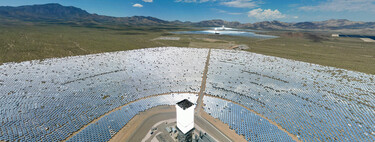
The Emergence of Agrivoltaics in Mexico
In the vast regions of northern Mexico, agrivoltaics is poised to revolutionize land use amid escalating challenges of food production, water scarcity, and the transition to clean energy. Far from the traditional dichotomy of choosing between agricultural land or solar energy production, agrivoltaics combines both, enabling farmers to cultivate crops while simultaneously generating solar power. This dual-use approach is gaining traction, especially given the plummeting cost of solar technology over the past decade, making it financially viable for countries like Mexico.
A Global Concept Adapted Locally
The agrivoltaic concept, which originated in Germany during the 1980s, has found fertile ground in Mexico. The Mexican Agrovoltaic Network (RAMe) was established in 2023 to promote and analyze agrivoltaic projects, integrating specialists from agriculture, energy, and academia. Currently, RAMe comprises over 70 organizations, representing a collaborative effort across at least 14 states, showcasing a united front for this innovative solution.
The Urgency of Optimizing Land Use
As highlighted by recent data from Intersolar Mexico 2026, conventional photovoltaic developments are projected to consume around 5,000 hectares of land this year alone. This presents a pressing need to optimize territory usage in a way that does not displace agricultural activities. According to Valeria Amezcua, the president of RAMe, agrivoltaics provides essential solutions to energy, water, and food security in Mexico.
The Role of Water Conservation
Water is a critical factor in Mexico where the agricultural sector consumes approximately 76% of available fresh water. Solar panels function as protective canopies for crops, moderating temperatures and shielding them from harsh sunlight. This innovative design drastically cuts down on evapotranspiration, conserving soil moisture, and ultimately lowering water requirements.
Potential and Challenges Ahead
There is immense potential for agrivoltaics, particularly in regions like the Yucatán Peninsula, where energy consumption is surpassing the national average. Utilizing just 1% to 2% of the region’s livestock territory could yield up to 12,000 MW of solar capacity. Impressively, this could fulfill current energy needs without deforestation or compromising livestock activities.
Technical and Economic Hurdles
Despite its potential, implementing agrivoltaic systems involves significant challenges. Photovoltaic structures need to be modified and installed at increased heights—up to two meters—to accommodate farming equipment and crop growth. Consequently, installation costs can soar by 50% to 100%. Nevertheless, early experiences with crops like lettuce, tomatoes, and chiltepin peppers are already showing positive outcomes.
Bridging the Gap: Legal and Social Implications
Beyond technical challenges, agrivoltaics in Mexico faces bureaucratic obstacles. Currently, the legal framework does not recognize agrivoltaic systems as distinct from traditional power plants, necessitating similar permits which can be complex and time-consuming. In contrast, countries like Italy have adapted their laws to promote such dual-use of land.
Towards a Sustainable Circular Economy
The full potential of agrivoltaics can be unlocked by incorporating additional sustainable practices. One innovative approach involves solar pyrolysis, a method that manages agricultural waste while generating biochar. This carbon-rich material enhances soil fertility and water retention, contributing positively to climate change mitigation.
A Call to Action for a Resilient Future
The circular agrovoltaic model encapsulates the intertwined relationship of water, energy, and food systems, emphasizing that technological advancements must also uplift communities. To realize this vision, it is imperative to implement effective public policies and foster collaboration among agricultural, energy, and academic sectors. Mexico has the solar potential, the land, and the pressing need for innovation; what remains is the collective will to harness this opportunity for a sustainable and equitable future.