
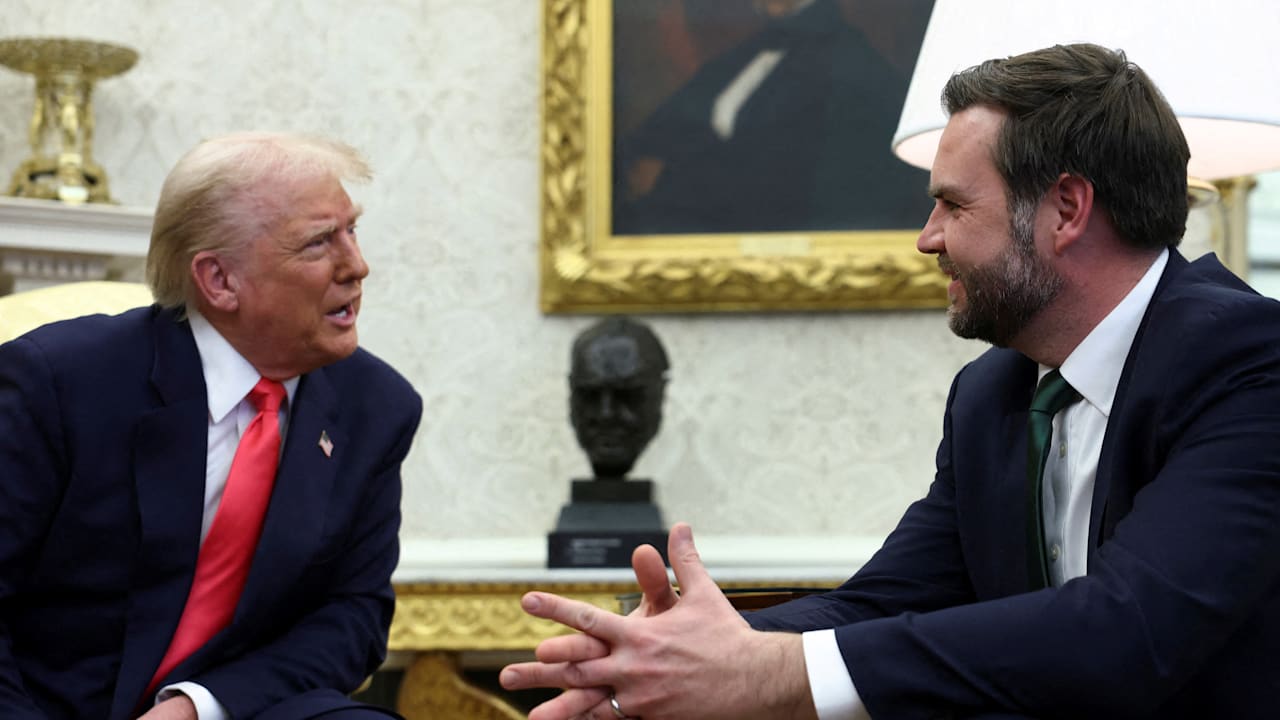
Trump and Merz: A Meeting of Strategic Importance
Washington – The White House describes German Chancellor Friedrich Merz’s inaugural visit as a routine meeting with a foreign leader. Yet, make no mistake: Trump’s unpredictable demeanor during meetings with foreign heads of state has turned appearances in the Oval Office into anything but routine—just ask Ukrainian President Volodymyr Zelensky or South African President Cyril Ramaphosa.
This visit marks the first encounter between Trump and Merz, and it carries substantial stakes despite the latter being a staunch U.S. ally. The White House is expected to focus primarily on Merz’s commitments to defense spending and Germany’s readiness to accelerate tariff negotiations between the U.S. and Europe.
Germany’s Defense Commitments
The new German government has announced plans to increase military spending and establish the strongest army in Europe. This presents Merz with tangible evidence to support Germany’s commitment to a more active role in European defense. Thus far, this approach seems to resonate within Trump’s Washington. Defense Secretary Pete Hegseth recently even highlighted Germany as a model for other nations.
Despite Trump criticizing the intensified airstrikes by Russian President Vladimir Putin on Kyiv, his commitment to ending the war—particularly under terms favorable to Kyiv—remains ambiguous. Merz may attempt to persuade Trump to consider additional sanctions against Russia, an issue that remains contentious between the allies.
Trade Policies: A Point of Contention
Trade policy is another area of friction. Trump is known for his belief that too many German cars are on American roads. During the meeting, he is likely to press for possible tariff concessions from Europe’s largest economy. With Germany being a global leader in automobile manufacturing, this demand could lead to significant discussions and negotiations.
The stakes are high; both leaders will seek to navigate their countries’ respective interests while fostering a productive bilateral relationship.
Sensitive Political Landscape
Things could become particularly tense for Merz if Trump or Vice President JD Vance choose to probe him regarding the German government’s stance towards the Alternative for Germany (AfD) party. During a visit to Munich in February, Vance publicly criticized European governments for obstructing populist, right-wing parties that oppose immigration.
Moreover, former White House budget director Elon Musk, who is currently clashing with Republicans in Congress, has supported the AfD in the upcoming Bundestag elections. This topic will indeed test Merz’s ability to manage his budding relationship with the U.S. President, potentially complicating the dialogue around foreign policy and internal issues facing Germany.
Implications for Transatlantic Relations
The importance of Merz’s visit cannot be understated. The dynamics of transatlantic relations are increasingly influenced by national interests driven by current events. The German Chancellor’s discussions with Trump may have ripple effects on trade and defense policies that extend beyond their immediate borders, influencing how both countries interact with allies and adversaries alike.
Germany’s increased focus on defense, especially in a climate of rising threats from Russia, could bolster the EU’s collective security posture and assure allies of its commitment to peace. Conversely, should the meeting veer towards controversial domestic policies like the AfD, it may raise questions about Germany’s stance on populism and right-leaning politics.
The Role of Media and Public Perception
In this politically charged atmosphere, the role of media will be paramount in shaping public perception of the outcomes from this meeting. Coverage from major outlets, including Politico, suggests that both substantial agreements and nuanced disagreements will likely emerge from this encounter. The narrative constructed around Merz’s performance will be crucial for his government’s standing at home and abroad.
Moreover, as we navigate a post-pandemic world, the discussions surrounding economic recovery and trade agreements will take center stage. The ramifications of this meeting could set the tone for future interactions between Germany and the U.S., along with influencing global economic trends.
In conclusion, the outcome of Chancellor Friedrich Merz’s meeting with President Trump is poised to signify more than a mere diplomatic formality. It encapsulates a complex interplay of international relations, domestic pressures, and strategic interests that will undoubtedly shape the future trajectory of U.S.-German relations. Both leaders carry the weight of their nations’ expectations, and how they approach contentious issues may pave the path for cooperative or confrontational dynamics in the years to come.