
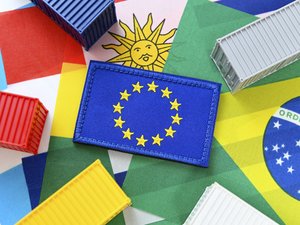
The European Commission announced the provisional application of a free trade agreement with the Mercosur bloc on February 27, a move intended to bolster EU exports. This decision, however, has sparked significant backlash, particularly from French President Emmanuel Macron, who argues that it poses a serious threat to the livelihoods of local farmers in France.
## The Mercosur Agreement: A Brief Overview
After 25 years of negotiations, the European Commission finalized a trade agreement with the Mercosur bloc, which includes Argentina, Brazil, Paraguay, and Uruguay. The agreement aims to reduce tariffs, with an expected removal of approximately €4 billion in duties on EU exports. Ursula von der Leyen, the President of the European Commission, emphasized the importance of moving forward, stating, “I said it before, when they are ready, we will be too.”
This agreement represents a significant shift in trade dynamics, as it grants the Mercosur countries a competitive edge in the European market. By provisionally applying the agreement, the EU seeks to take advantage of this first-mover position.
## Macron’s Concerns: A Threat to Farmers
Emmanuel Macron expressed his disapproval of the EU’s unilateral decision, suggesting it carries “a very heavy responsibility.” He characterized the move as a “bad surprise” for France and an example of “bad manners” toward the European Parliament. Commenting on the situation, Macron highlighted that France has worked hard to negotiate protective measures for its farmers and is now committed to ensuring that these negotiations are honored.
### The Risk of Unfair Competition
Macron’s main concern revolves around the potential influx of cheaper goods, particularly beef, sugar, and poultry, from Mercosur countries. He argues that this could lead to unfair competition, putting immense pressure on French agricultural products and undermining the country’s farming sector. Macron’s stance reflects a broader anxiety within France, where agricultural interests are a central part of both the economy and national identity.
## Support for the Mercosur Agreement
Despite the concerns raised by Macron and other critics, the agreement has supporters, notably in Germany and Spain. Advocates argue that the Mercosur treaty is crucial for counterbalancing trade losses stemming from U.S. tariffs and for diminishing dependence on China for essential minerals. They assert that the shift towards Mercosur can enhance trade relations and open up new markets for EU goods.
### Balancing Economic Interests
The divide between supporters and opponents of the Mercosur agreement highlights the complex landscape of international trade and its potential impacts on local economies. As Europe seeks to navigate these challenges, it will be critical to ensure a balanced approach that fosters economic growth while protecting local industries.
## Conclusion: A Divisive Path Forward
The provisional application of the Mercosur agreement marks a pivotal moment for the EU, presenting both opportunities for increased trade and significant challenges for local farmers. As the debate unfolds, the focus will be on finding a way to harmonize international trade ambitions with the need to protect the agricultural market within Europe. The coming months will be crucial as stakeholders from all sides engage in discussions aimed at aligning interests while mitigating the risks associated with such a sweeping trade agreement.