
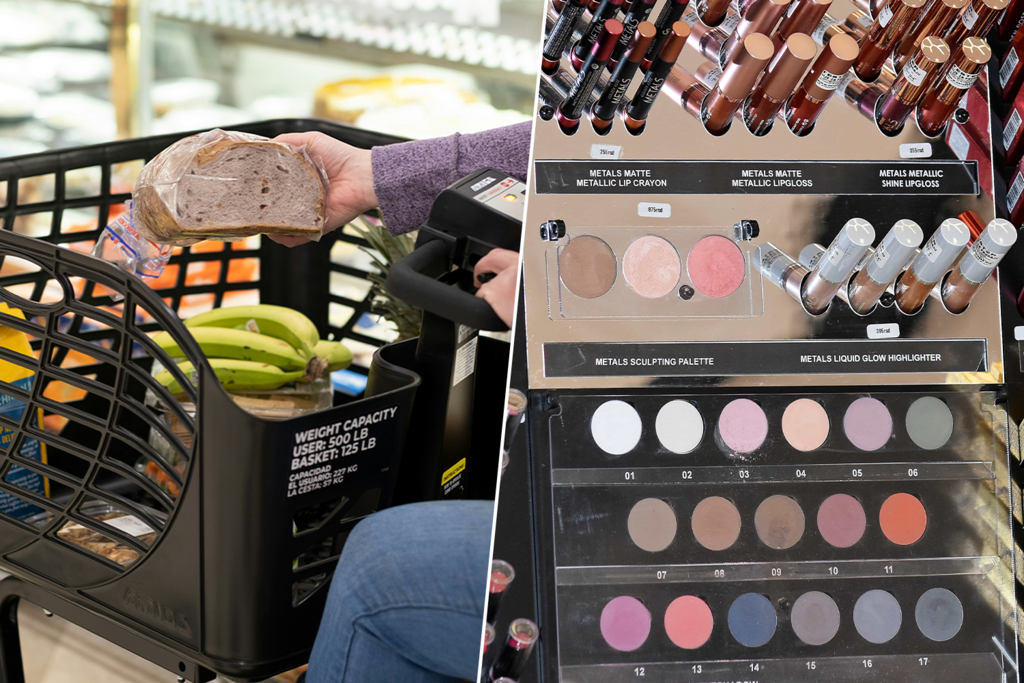
The New Era of Supermarket Beauty
The landscape of retail has drastically transformed, especially in supermarkets. Mercadona , a leading supermarket chain in Spain, is at the forefront of this revolution, offering cosmetic products that closely mimic high-end luxury brands but at prices that are pleasantly affordable. It’s tantalizing to find a light-textured cream that could easily fit in a high-end boutique or a stylish Bombonera bag reminiscent of luxury brands like Loewe or Jacquemus—all available where we typically buy our groceries.
Inspiration or Imitation: The Fine Line
With a broad range of products that reflect global cosmetic trends, including Korean skincare and viral beauty accessories, Mercadona is making waves on social media. This phenomenon captures the interest of both consumers and influencers alike, propelling the company into a prime position within the competitive landscape of beauty products. Following ongoing discussions about the ethical implications of imitation versus inspiration, Mercadona’s strategy continues to spark interest and debate.
Business Strategy: Mimicking Results
According to a report by Business Insider , Mercadona leverages its Deliplus brand to replicate the textures and design of popular makeup products from high-end brands like Mac , Benefit , and L’Oréal . The majority of these beauty items rarely exceed six euros, making them accessible to a wider audience. The Maxi Volume mascara , for example, draws inspiration from L’Oréal, while their silicone base resembles Benefit’s offerings, all the while maintaining a fraction of the cost.
The Viral Power of Affordable Glamour
The success of these lower-cost alternatives can be attributed to massive distribution channels and a strategic use of indirect marketing. Consumers eagerly share their experiences on social media platforms, showcasing gems like a bath gel infused with amber and vetiver, priced at only 1.50 euros. Dubbed by many as “a gel that smells of gods,” this product has been likened to much pricier perfumes and is a testament to how social media influencers can drive consumer behavior.
Vacuum Created by Traditional Luxury Brands
The rise of “corridor luxury”—affordable products that mimic high-end offerings—comes at a time when authentic luxury is increasingly out of reach for many. Since 2019, the average price of luxury goods has surged by approximately 25% , pushing the aspirational consumer base to the fringes. Today, it’s reported that over 40% of luxury sales come from a mere 1% of the wealthiest clientele.
The Market Gap: Filling an Unmet Demand
The consequence of this widening gap has generated a marketplace that thrives on legal imitations and inspired creations. The digital landscape is filled with avenues for acquiring less expensive, yet attractive options. As reported by various outlets, 54% of “Generation Z” consumers view replicas positively, with 37% openly admitting to possessing them. Here, Mercadona’s products emerge as a safe alternative , catering to a demographic that values aesthetics without the exorbitant price tag.
The Intersection of Luxury and Everyday Life
The mingling of high-end references with daily necessities has evolved over the past decade into a recognizable style statement. Figures like Bad Gyal and Rosalía have popularized this trend, symbolizing how beauty and luxury can coexist without being exclusive. By blending extravagance with accessibility, these artists have changed the narrative around what it means to be stylish.
The “Dupe” Culture
Platforms like TikTok have given birth to the term “dupe,” which denotes products that emulate luxury brands at lower prices. This generation finds pride in showcasing these imitations, thereby creating a culture where affordability and desirability coalesce. Brands like Mcobeauty in Australia are thriving due to this movement, while luxury entities scramble to differentiate themselves from easily replicated formulas.
Legal Implications and Market Strategy
Legal regulations surrounding mimicry are murky. Numerous court cases have tested the limits of inspiration versus imitation, yet Mercadona remains unfazed in its approach. It tactically identifies and produces items that take inspiration from luxurious aesthetics, benefiting from Spain’s favorable approach to mimicry, which allows for significant creative freedom.
The Future of Consumption: From Beauty to Edible Luxury
This cultural phenomenon transcends beauty products alone. According to reports, Generation Z is expanding aspirational consumption into the domain of edible luxuries , where even everyday food items elevate status. Brands like Erewhon in the U.S. sell high-priced superfoods, merging the concepts of health and social media presence. Today’s consumers are increasingly motivated by visual representation, making even grocery shopping an act of prestige.
In conclusion, the entry of luxury-inspired products into everyday shopping environments like Mercadona is not merely a trend; it represents a shifting paradigm in consumer behavior. As brands wrestle with the challenges of maintaining exclusivity while catering to a broader audience, consumers now face the dilemma of choosing between prestige and affordability. The supermarket aisle, once dominated by mundane necessities, has become a new stage where aspirational stories are told, proving that luxury is no longer confined to high-end boutique experiences. Now, a mere lipstick or gel can narrate just as compelling a story as a decadent designer product. The retail landscape has forever changed, and Mercadona stands as a testament to this evolution.