
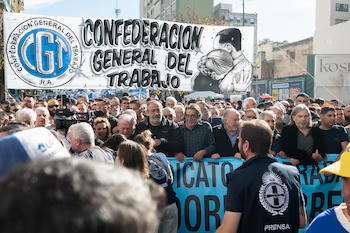
CGT March Against Government’s Labor Reform in Plaza de Mayo
The organized labor movement mobilized in Plaza de Mayo today at 3 p.m., protesting the government’s proposed “Labor Modernization” initiative led by Javier Milei. The march, orchestrated by the General Confederation of Labor (CGT), aims to showcase labor solidarity and influence ongoing negotiations in the Senate regarding this contentious labor reform.
Background of the March
This rally is the fourth street action organized by unions against the government, yet it marks the first significant response to the ruling party’s efforts to amend the Labor Contract Law and various regulations governing labor relations. Despite the government’s attempt to address concerns by removing several controversial articles from the reform bill following negotiations with the CGT, the union confederation remains firmly opposed to the proposal.
Key Concerns of the CGT
The CGT has articulated its dissatisfaction with the reform, arguing that it compromises essential workers’ rights. Specific grievances include:
- Restrictions on the right to strike.
- Prioritization of company agreements over collective contracts.
- Ultraactivity limits on collective labor agreements.
- Easing regulations on individual rights, such as reduced severance pay and extended working hours through an hour bank.
The union’s leaders are gearing up for a day of speeches in Plaza de Mayo, intending to clarify their stance on the labor reform currently under debate in the Senate.
Protest Details
The CGT’s event commenced with significant participation from union leaders and allies, including politicians associated with Peronism such as Mariano Recalde and Jose Mayans, who will play pivotal roles in the Senate discussions on labor reform. Protesters began gathering in the square earlier in the day, prepared to voice their concerns.
Police Response and Challenges
Tensions escalated when the CGT accused the National Gendarmerie of detaining buses carrying protestors into Buenos Aires, thus hindering access to the rally. This was deemed a violation of the constitutional right to protest and raised concerns about the preservation of peace during the event.
Anticipated Developments
Senator Patricia Bullrich indicated that the Senate’s ruling on the labor reform could be expected between today and tomorrow. With various labor and social organizations supporting the march, the atmosphere suggests a potential escalation in union activities, including calls for a general strike, echoing sentiments from leaders like Roberto Baradel and Emilio Pérsico.
Security Measures
Due to anticipations of a large turnout, Plaza de Mayo has been secured with heavy police presence and fencing. Authorities have deployed security forces, including tanks and specialized units, to maintain order in the area, signaling the high stakes involved in this labor dispute.
This march reflects the profound socio-political resistance against labor reforms that many workers and unions believe jeopardize their rights and livelihoods. As discussions continue in the Senate, the outcomes of today’s march and the reactions from lawmakers could set the tone for future labor relations in Argentina.