

The Rise of Heterofatalism: Understanding Modern Relationships
In contemporary urban environments such as New York , Madrid , or Buenos Aires , many women find themselves navigating a landscape marked by digital connections but plagued with emotional disillusionment. The tales of romance today resemble a spin-off of Sex and the City , filled not with whimsical dates in Manolo Blahniks but rather with ghosting , excuses related to anxiety, and the complexities of group therapy. This new narrative juxtaposes the glamorous expectations of love with the stark reality many face.
In her iconic columns, Carrie Bradshaw hinted at these disillusionments, as her stories often circled around what today’s society laughs off as heterofatalism . This term captures the disenchantment , irony , and resignation that many women feel toward their romantic relationships. But is heterofatalism a theoretical construct or merely another detrimental label applied to collective dating experiences?
Brought into the spotlight in 2019 by columnist ASA Beings , heteropessimism speaks to an attitude full of hopelessness regarding heterosexual relationships, particularly from women’s perspectives. Despite the disappointment stemming from these interactions, many do not abandon these relationships. An article in The Conversation clarifies that this mindset does not imply violence or hierarchies, but illustrates a lasting disappointment with a worldly view.
However, Beings proposes a more extreme idea: heterofatalism , which reflects a solemn acceptance of unsuccessful heterosexual experiences. Jean Garnett , in a comprehensive piece for The New York Times , articulates it as the feeling that “the men I want do not love me with enough clarity, urgency, or commitment.”
The Amplifying Effects of Social Context
A political and social context heightens this collective disenchantment. Marie Solis notes in The New York Times that discussions around this topic became more pronounced following the Trump presidency and Brett Kavanaugh’s confirmation, both seen as embodiments of patriarchal privilege. The #MeToo movement , while transformational, did not fundamentally alter dating dynamics.
Moreover, social media has turbocharged this narrative. Trends such as #boysober , #Selfpartnered , and the growing 4B movement —which rejects traditional relationships, sex, marriage, and motherhood with men—paint a picture of women who, while not wholly dismissive of men, have diminished faith in the promises of heterosexual love. Organizations like the Sexual Health Alliance highlight that such a gap can be traced back to men’s social conditioning, which often limits their ability to express emotions and fosters an unhealthy form of masculinity.
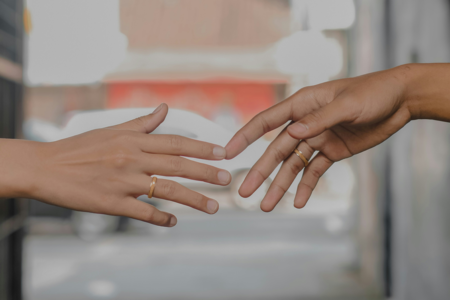
Academics like Professor Ellie Anderson frame this issue as a form of emotional exploitation where women must decode the confusing behaviors of less communicative men. The term masculine regulative Alexithymia has emerged to describe the emotional struggles many heterosexual men face. Psychoanalyst Jessica Benjamin speaks of a “paralyzing complementarity,” where both parties feel that acknowledgment comes at the cost of power.
In a revealing piece, Noemí López Trujillo has connected the upsurge of heterofatalism with a tide of female sadness . The emergence of the term Femcelcore captures a cultural movement portraying women as broken beings, retreating from men as a means of self-preservation—a romanticization that can paralyze them socially.
Is Heterofatalism Exclusively Feminine?
Though chiefly associated with heterosexual women, experts warn that this mindset is not entirely one-sided. An article in The Times indicates that while women express their dissatisfaction through irony and memes, heterosexual men are undergoing a unique form of crisis filled with frustration often channeled into Incel or PERICA communities, manifesting as misogyny.
This context has led to a rise in male groups exhibiting anxiety towards relationships, longing for the nostalgic depictions of romantic love seen in the 1950s and 60s —idealized eras symbolizing rigid gender roles and simplistic family structures. Poppy Sowerby argues that when women uniformly blame men for their disappointments, heterofatalism and the rhetoric around it become the flipside of Incel discourse, both framing heterosexual relationships as tragically predetermined.
Amidst this complex landscape lies an essential question: Is it desire that poses the problem, or are it societal roles framing that desire? Critics, including those from within feminist circles, assert that labeling heterosexuality itself as problematic risks normalizing misogyny. The pressing issue is not men but the gender norms perpetuated by everyone involved.
Rachel Connolly suggests that viewing heteropessimism as merely conservative under the guise of radical critique raises concerns about relationship expectations. What constitutes the limit of our aspirations if we presume heterosexual relationships are doomed? Shon Faye , in his book, Love in Exile , encourages shifting the focus from expecting partners to meet every need and instead redistributing emotional care among community and friendships.
The current outlook is undoubtedly ambiguous, with growing awareness of successful relationship dynamics on one side and a lack of alternative exploration on the other. As Jessica Benjamin proposes, the focus should be on mutual recognition —seeing romantic partners as individuals with desires and vulnerabilities rather than as obstacles to be critiqued.
The waning affection for traditional romantic avenues isn’t simply a trend or a whim; it’s a measured response to patterns that no longer hold dear. Naming this disconnect via heterofatalism is just the beginning. To envision better forms of connection, we must push past mere cynicism. Love should not equate to suffering; it ought to embody mutual respect and care—a principle we must insist upon in all relationships.