
FIFA’s Decision on Player Releases
Recently, FIFA stirred up significant debate by announcing a December 14th release date for players participating in the Africa Cup of Nations (CAN). This choice has faced criticism, particularly as coaches were hoping for an earlier date of December 8th. Such a timeline would allow teams to have sufficient preparation before the tournament begins on December 21st. FIFA’s decision showcases the ongoing tension between governing bodies and football clubs, highlighting the complex dynamics of international competitions.
Clubs’ Responses to Player Releases
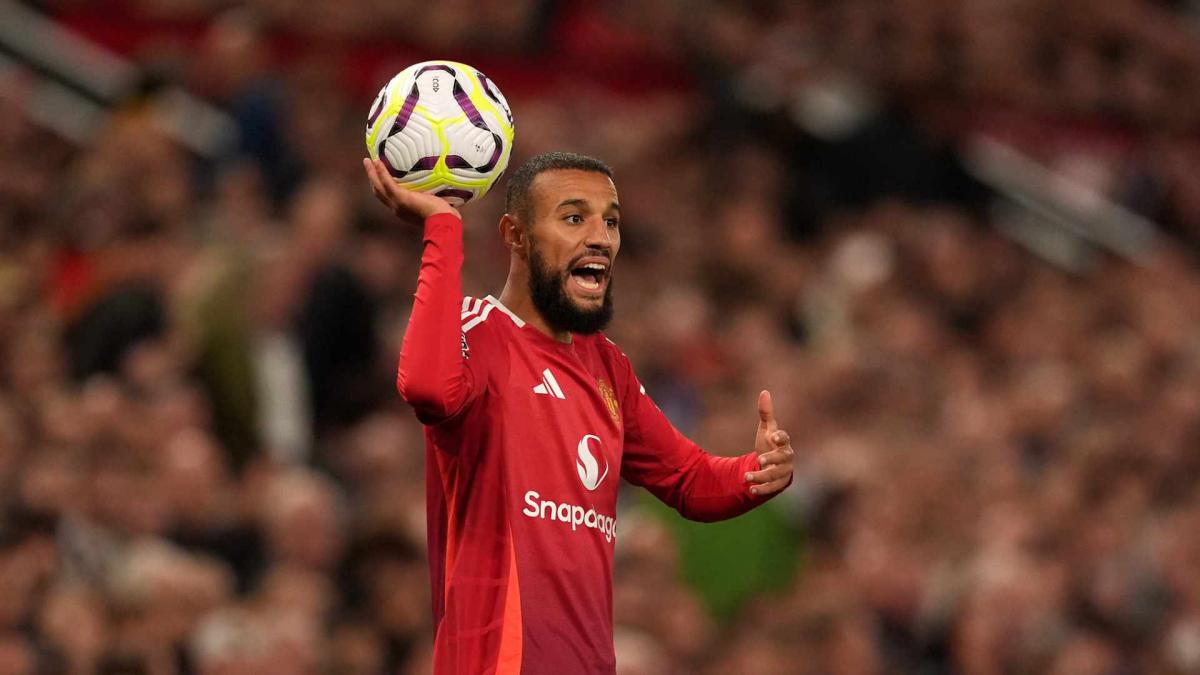
Despite the global governing body’s announcement, many clubs are fiercely protective of their players. This circumstance is especially relevant for prominent clubs like Manchester United and AS Roma. During a recent game on Monday night, both clubs were impacted by FIFA’s ruling. The Moroccan national team has been particularly rigorous in enforcing player selections, which has led to Roma being unable to call up Neil El Aynaoui and Real Betis unable to field Abde Ez. Similarly, Manchester United now finds itself without Noussair Mazraoui.
Manchester United’s Dilemma
The situation at Manchester United has triggered dissatisfaction among club officials. Having previously retained players like Mbeumo and Amad Diallo, the loss of Mazraoui is seen as a major setback. According to reports from The Sun, Manchester United has reached out to FIFA for clarification regarding these player releases, especially since they faced unique challenges leading up to these announcements. Their recent match against Bournemouth, which ended in a dramatic 4-4 draw, was postponed—compounding frustrations over the timing of FIFA’s decision.
Consequences for the December Fixture
The fallout from FIFA’s ruling is significant. With the CAN kicking off soon after the release date, clubs will have limited time to prepare for matches without their international stars. This has raised questions about the fairness of the scheduling and the impact on ongoing Premier League campaigns. Coaches must adapt their strategies quickly, often under immense pressure, which is not only a tactical challenge but also affects team morale and player fitness.
The Broader Impact on African Players
This scenario reflects a larger issue confronting African footballers who play in Europe: the tug-of-war between club obligations and national team pride. With major tournaments such as the CAN on the horizon, clubs must navigate these intricate dilemmas while maintaining competitive squads. How FIFA manages its tournament schedules will continue to influence the relationship between clubs and national teams, particularly as international fixtures increasingly draw attention.
Conclusion
In conclusion, FIFA’s unilateral decision regarding the release of players for the CAN has set off a series of reactions from clubs like Manchester United. The pressure to balance international duties and club commitments remains a contentious issue in football. With December rapidly approaching, clubs must strategize effectively as they respond to FIFA’s framework while ensuring they remain competitive on the domestic front. The outcome of this ongoing saga will undoubtedly serve as a case study for future interactions between national federations and club teams worldwide.