
Master Plan 2026-2031: A Critical Overview
The National Service of Natural Areas Protected by the State (SERNANP) has approved the vital 2026-2031 master plan for the Historic Sanctuary of Machu Picchu. Officially endorsed on March 23, 2026, this document serves as a cornerstone for future management and conservation, addressing the increasing pressures from tourism and environmental challenges.
Key Risks Identified
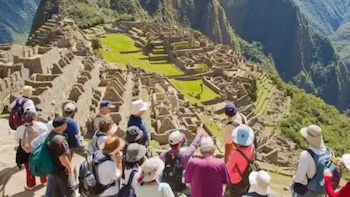
The master plan outlines several key risks threatening the sanctuary’s cultural and natural integrity. Disorganized tourism emerges as a primary concern. The volume of visitors greatly strains existing infrastructure, causing soil degradation and road erosion, severely impacting site conservation.
Negative Tourist Behaviors
Inappropriate actions from tourists, such as leaning on or climbing archaeological structures, are contributing to the monuments’ physical deterioration. Additionally, vibrations from passing trains generate microseisms, further compromising structural stability.
Environmental Challenges
One of the most significant risks highlighted is forest fires, which have ravaged over 1,800 hectares in the past decade. These blazes not only disrupt local ecosystems but also accelerate degradation.
Erosion and Invasive Species
The plan also notes that road erosion is worsening due to both climatic changes and human activities. The growth of lichens and mosses, driven by environmental variations, threatens the original stone elements of the llaqta. Moreover, the presence of invasive species, like rainbow trout and neotropical cormorants, jeopardizes the ecological balance by competing with native wildlife.
Water Contamination and Waste Management
The master plan reveals concerning levels of water contamination mainly due to untreated waste disposal near populated areas. This pollution endangers the Vilcanota River and various dependent species, including river otters and torrent ducks. The accumulation of solid waste harms the landscape and local fauna.
Informal Settlements and Climate Change
A pressing issue is the surge of informal constructions within the sanctuary’s buffer zone. These developments fragment the territory and jeopardize cultural heritage conservation.
Further compounding these challenges, climate change phenomena—such as droughts and altered ecosystems—affect water availability, while increased human activity strains resources meant for sanctuary management.
Conclusion: A Call to Action
The 2026-2031 master plan stands as a crucial document aimed at safeguarding Machu Picchu against multifaceted threats. It highlights the urgent need for a concerted effort to balance tourism with sustainable management practices to preserve this UNESCO World Heritage site for future generations. Immediate action is required to prevent irreversible damage to one of the world’s most iconic cultural treasures.