
Tragic Farewell: The Funeral of Diogo Jota and André Silva
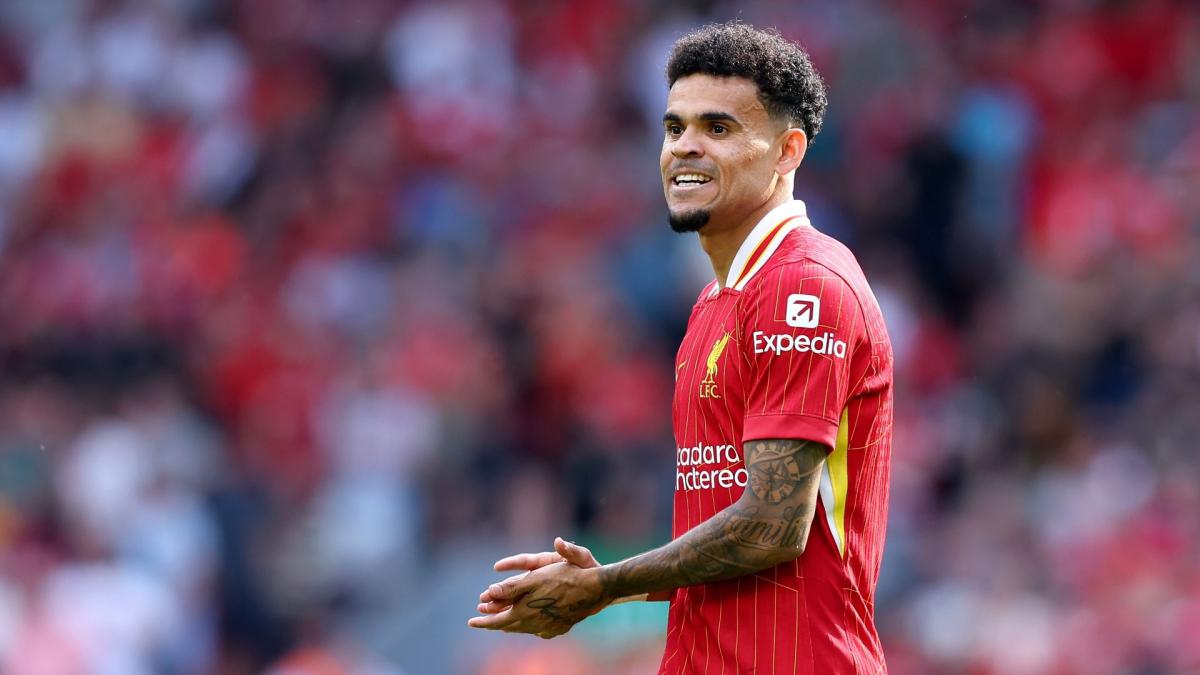
The football community is mourning the tragic loss of Diogo Jota and his brother André Silva, who died in a road accident in Spain last Thursday. The funeral held in Gondomar, Portugal, drew a significant turnout, with many of Jota’s teammates from Liverpool and the Portuguese national team attending to pay their respects. However, the absence of Luis Díaz, the Colombian forward, stirred widespread criticism and discussion among fans and pundits alike.
The funeral not only served as a somber farewell to two beloved brothers but also highlighted the bonds formed within the sport of football. Emotional tributes poured in from players and fans alike, showcasing the deep respect and camaraderie that exist within the football community. The gathering reflected on the personal relationships Jota fostered with his teammates, emphasizing the profound impact he had on their lives.
Jota’s teammates arrived, visibly moved, as they honored the fallen brothers. Players like Rúben Neves and João Cancelo made the effort to fly back to Portugal, even after participating in a quarter-final of the Club World Cup in the United States the previous day. Their dedication to attending the funeral exemplified not only a sense of loyalty but also the importance of standing together during trying times.
Despite these efforts, Díaz’s absence did not go unnoticed. Reports emerged from COPE, a Spanish radio station, detailing that Díaz was in Colombia at the time of the funeral, participating in promotional activities for an influencer football tournament. This choice drew criticism, especially given that other players managed to make the journey to pay their respects.
The situation escalated as social media users expressed their discontent with Díaz’s priorities. Just hours before the funeral, he shared a video featuring jovial moments with popular Colombian streamers, dancing and laughing. Once the backlash began, Díaz promptly deleted the footage, but this only fueled further discussion about his decision to skip the funeral.
The contrast between Díaz’s involvement in the influencer event and Jota’s profound gesture during a difficult time for the Colombian striker raised eyebrows across the football world. When Díaz’s father was recently kidnapped, Jota became an unexpected hero by scoring a goal and proudly displaying the Colombian number 7 jersey in his honor. This act resonated deeply within the community, capturing the essence of friendship and support that transcends beyond the pitch.
For many, funerals are not just moments of saying goodbye but are also opportunities to reflect on the values of loyalty, friendship, and unity that football embodies. The football community expects its members to uphold these ideals, making Díaz’s absence all the more conspicuous.
Participants at the funeral shared stories and memories of Jota and André, emphasizing their vibrant spirit and the impact they had on those around them. From teammates who played alongside them to fans who cheered them on, the brothers left an indelible mark on the world of football.
As the attendees rushed through the emotional rites, discussions of what it means to be a sportsperson came to the forefront. In football, sacrifices are often made, but personal connections remain vital. The ability to balance personal commitments with the responsibilities of being a professional athlete is a challenge faced by many, but one that is expected to be managed with a sense of duty towards those who have touched our lives.
While the football community continues to grapple with this tragic loss, it also serves as a reminder of the delicate nature of life. The narrative surrounding Jota and Silva’s funeral underlines the importance of cherishing those we love. With their untimely departure, the brothers remind us all to take a moment for appreciation, extending support to one another in times of sorrow.
As we reflect on this deeply saddening event, we also find strength in the collective support offered by the football community. Celebrating the lives and legacy of Jota and André Silva allows us to foster deeper connections, demonstrating that even in tragedy, the sport can unite and heal.
The aftermath of the funeral will likely evolve into discussions about responsibilities and priorities within the sport. Fans, critics, and fellow athletes alike will continue to engage in conversations about what it means to be truly committed, not just in times of triumph but also during moments of profound loss. The hope remains that the values of respect and solidarity will emerge stronger than ever, guiding all members of the sporting community in their future endeavors.