
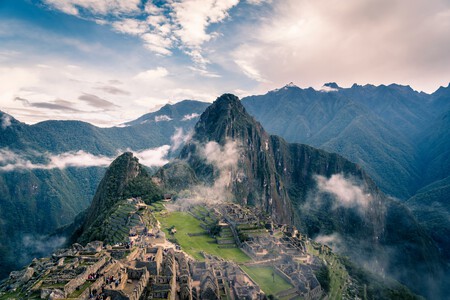
The Rising Threat to Machu Picchu: Can This Wonder of the World Survive Over-Tourism?
In the realm of tourism , there exists a precarious balance between a destination’s success and its sustainable viability. With globally renowned sites such as Kyoto, Venice, and Bali experiencing issues of overcrowding , it raises questions about what can be done to preserve iconic attractions. In particular, Machu Picchu , the ancient Incan citadel in Peru, is teetering on the edge of this precarious line as it braces for a substantial influx of visitors in the coming years.
The Peruvian government expects Machu Picchu to receive over 1.5 million tourists in just one year, igniting fears that the site risks losing its status as one of the New Seven Wonders of the World . A recent statement from New7Wonders highlights the exigent need for sustainability management, warning that failure to address these challenges could hurt the site’s credibility.
Why is Machu Picchu’s status at risk? The warning from New7Wonders points to several persistent challenges, encompassing “high pressure from tourism without effective sustainability measures,” increased pricing for services and goods, and logistical ambiguities surrounding ticket sales. These issues have resulted in growing dissatisfaction among visitors, exacerbating what the organization describes as a state of disorder among local institutions.
The implications here are dire. If these problems persist, they could undermine Peru’s image internationally and, crucially, jeopardize Machu Picchu’s standing as a wonder of the world. The responsibilities associated with this designation entail a commitment to conservation and adherence to specific standards to maintain its status.
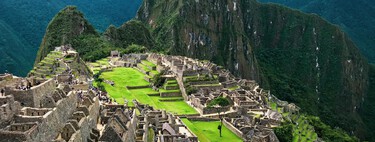
In light of these warnings, the Peruvian government has issued a response to alleviate concerns. In a statement released by the Ministry of Culture, officials emphasized that being a part of the New Seven Wonders is distinct from being recognized as a World Heritage Site by UNESCO. The latter designation was granted to Machu Picchu more than three decades ago, underscoring its cultural significance.
While the Ministry asserts that efforts to enhance visitor management and conservation tools are ongoing, Machu Picchu is not currently listed among UNESCO’s sites in danger. However, experts caution that neglecting these rising concerns could risk its inclusion on such a list.
Many visitors express mixed feelings. Some grow weary of saturation , evidenced by recent mentions of Machu Picchu among destinations deemed no longer worth visiting. This sentiment echoes through other landmarks facing similar pressures, such as Venice and Bali. The travel portal Travel and Tour World called attention to Machu Picchu, framing it as a site too overcrowded for enriching visitor experiences.

Further complicating matters, the Comptroller General of the Republic , an autonomous oversight body in Peru, flagged the potential for tourist overload at Machu Picchu and the encompassing Inca road network, Qhapaq Ñan . Overcrowding not only threatens the structural integrity of these historic sites but also raises concerns about the broader impact on local ecosystems.
Strikingly, the government recently reported having sold 1.4 million tickets , with an expectation to surpass 1.5 million before the year ends. While such revenue is undoubtedly valuable, it begs the question: at what cost to the environment and cultural heritage?
The government’s celebratory announcement came right in tandem with reports of tourists stranded due to disruptions in train service, highlighting the need for better management and crisis resolutions as protests related to tourism logistics unfolded.
Machu Picchu stands as a testament to human ingenuity and the rich cultural history of the Incan civilization. However, if immediate attention is not paid to implementing sustainable tourism practices , this jewel risk diminishing its allure and magnificence in the eyes of visitors worldwide. Both local authorities and international organizations must collaborate to ensure that this breathtaking site remains an enduring wonder for generations to come.