
The Controversy Surrounding Shein’s Lobbying Practices in France
Introduction
In recent years, the fashion industry has faced increasing scrutiny regarding its environmental impact. One of the companies at the center of this debate is the Chinese fast-fashion giant Shein. As lawmakers prepare to examine a proposal aimed at reducing environmental harm from fast fashion on June 2 and 3, 2025, allegations of lobbying irregularities have emerged, spotlighting Shein’s influence in France.
Shein’s Rise in the Fast Fashion Market
Shein has rapidly established itself as a global leader in the fast fashion market, offering an extensive array of affordable clothing items. Its demand-driven manufacturing model allows the company to respond quickly to trends, further fueling its sales. However, this business model raises serious concerns about environmental sustainability. The production processes often rely on unsustainable materials and practices, contributing to pollution and waste.
The Role of Lobbying in Fashion Legislation
Lobbying plays a significant role in shaping legislation. The process can streamline communication between companies and lawmakers, allowing businesses to advocate for policies that benefit them. However, when lobbying crosses ethical lines, it can result in regulatory capture, where legislation favors business interests over public good. As Shein’s practices come under scrutiny, the company’s tactics for influencing policy are now in question.
Allegations Against Shein
Reports reveal that lobbying practices associated with Shein are being investigated. French NGOs, including Les Amis de la Terre France and the Observatoire des multinationales, have raised concerns about “potential irregularities” in Shein’s lobbying declarations filed with the Haute Autorité pour la transparence de la vie publique (HATVP). These allegations are particularly significant given that Shein has been linked to attempts to sway legislation for its benefit.
Involvement of Christophe Castaner
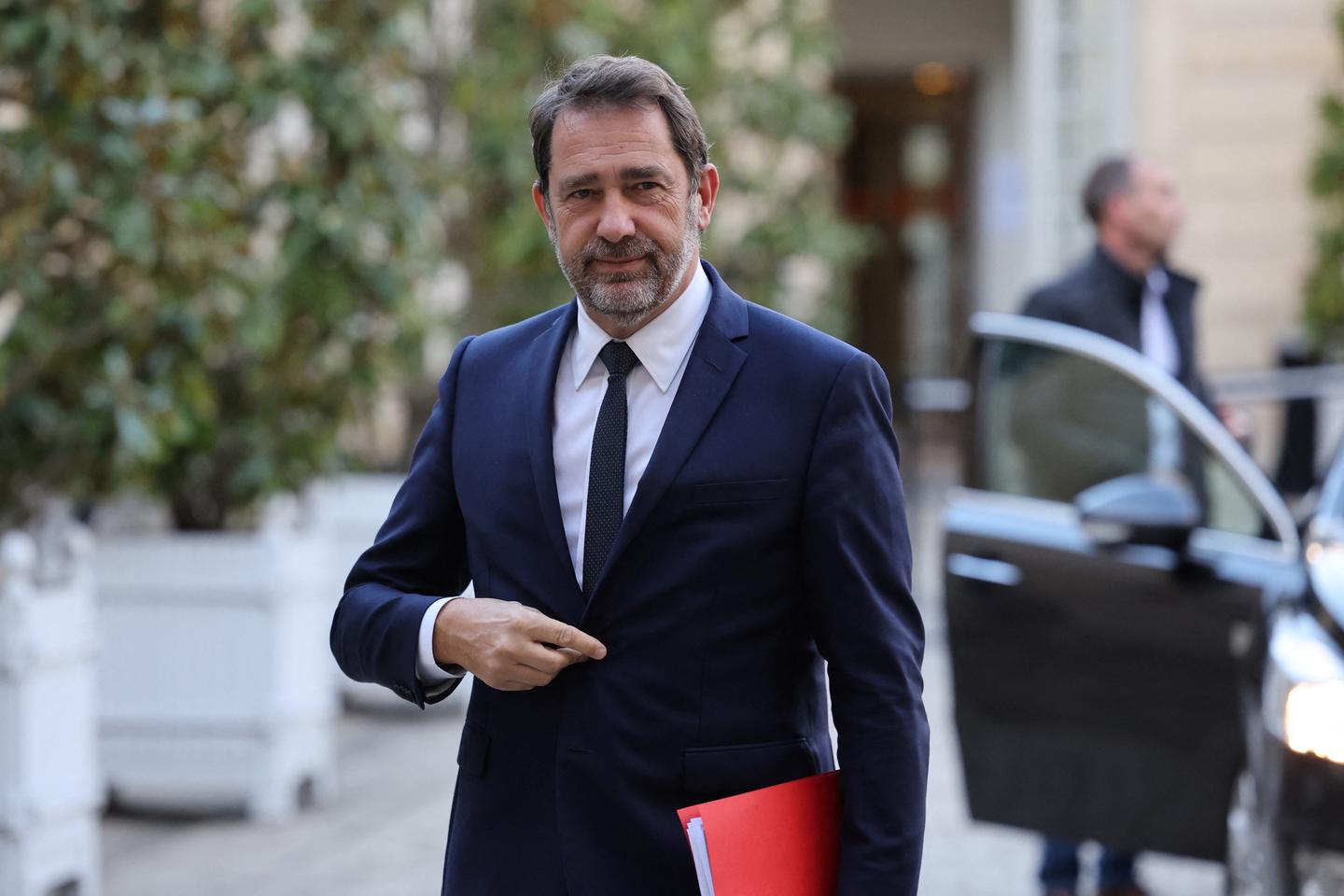
One notable figure involved in these lobbying practices is Christophe Castaner, a former French Interior Minister who has served as a consultant for Shein since late 2024. Castaner’s involvement raises eyebrows, especially since he is perceived as a key player in navigating the complex world of fashion regulation in France. His connections could facilitate Shein’s lobbying efforts, which raises questions about the ethical implications of employing former government officials for corporate lobbying.
The Legislative Framework and Its Importance
The proposed legislation to limit the environmental impact of fast fashion has critical deadlines. It was initially adopted by the French National Assembly over a year ago and is now slated for examination by the Senate. These proposals aim to enforce stricter environmental standards on fashion companies, forcing them to take responsibility for their manufacturing processes. However, allegations have surfaced that Shein has actively tried to influence the legislation to either slow it down or shape it in a way that would lessen its impact on the company’s operations.
Oversight and Transparency Concerns
Transparency is crucial in lobbying, particularly when it involves companies with significant market power. The HATVP regulates lobbying activities in France, requiring lobbying entities to disclose their activities comprehensively. However, the reports indicate that Shein’s declarations may be lacking in detail, with some information missing or presented in vague terms that do not accurately reflect the company’s interactions with public officials.
This lack of transparency not only undermines public trust but also calls into question the integrity of the legislative process. Without accurate and detailed disclosures, there is a risk that legislation may be unduly influenced by financial power rather than the public interest.
The Larger Context: The Fast Fashion Industry
Fast fashion is under increasing scrutiny globally due to its impact on the environment and labor rights. More consumers are becoming aware of the ethical implications of their purchasing choices, prompting a shift in demand toward sustainable brands. Companies like Shein, which thrive on volume and low prices, could face significant backlash as these attitudes continue to evolve.
The backlash may compel not only Shein but the entire industry to rethink its business strategies. As the demand for sustainable practices grows, companies may need to adopt more environmentally friendly methods of production to remain relevant and competitive.
Conclusion
The ongoing investigation into Shein’s lobbying practices underscores critical issues related to ethical lobbying, transparency, and corporate responsibility in the fashion industry. As France prepares to examine legislation aimed at mitigating the environmental impact of fast fashion, the interplay between corporate interests and public policy will undoubtedly shape the future of the industry. It remains to be seen whether Shein’s actions will have lasting repercussions in a world increasingly focused on sustainability.

A une semaine de l’examen au Sénat de la proposition de loi destinée à réduire l’impact environnemental de la fast-fashion, prévu les 2 et 3 juin, les pratiques de lobbying du groupe chinois Shein en France se voient questionnées. Selon les informations du Monde, un signalement visant Shein et plusieurs de ses représentants en France, dont l’ex-ministre de l’intérieur Christophe Castaner, conseiller du géant de la mode à bas coût depuis fin 2024, a été adressé, le 23 mai, à la Haute Autorité pour la transparence de la vie publique (HATVP), le gendarme du lobbying français.