
Iran-U.S. Peace Talks Conclude Without Agreement in Islamabad
On April 12, 2026, peace negotiations between the United States and Iran concluded without a significant agreement after more than 21 hours of talks in Islamabad. The discussions, held at the Hotel Serena, were marked by persistent disagreements, notably over Iran’s nuclear program.
Key Issues in Negotiations
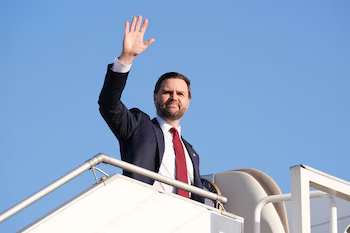
U.S. Vice President J.D. Vance highlighted the primary friction point: the absence of Iranian assurances regarding the peaceful intentions of its nuclear initiatives. He departed from Islamabad aboard Air Force Two, leaving behind a final peace proposition for Tehran in an attempt to advance discussions.
In contrast, Tehran’s response branded Washington’s requirements as “unreasonable.” Esmaeil Baqaei, spokesperson for Iran’s Foreign Ministry, explained that these negotiations followed a prolonged period of conflict. He expressed realistic expectations, stating that a resolution would not emerge from a single meeting.
Regional Tensions and Continued Conflict
Simultaneously, the Israel Defense Forces (IDF) maintained military operations in the region, targeting Hezbollah in Lebanon and successfully destroying an explosives manufacturing facility near the West Bank. This ongoing violence exemplifies the complexity of achieving peace amidst geopolitical strife.
Pakistan’s Role as Mediator
Following the failed negotiations, Ishaq Dar, Pakistan’s Minister of Foreign Affairs, urged both the U.S. and Iran to respect the ceasefire agreement established on April 7. Pakistan emphasized its commitment to facilitating dialogue in the region, underscoring the importance of maintaining peace.
International Responses
In light of the stalled talks, Australia echoed similar sentiments, advocating for the continuation of the ceasefire and the resumption of negotiations. Australian Foreign Minister Penny Wong expressed disappointment over the lack of progress in Islamabad.
Iranian Expectations and Future Dialogues
Baqqei reiterated that such an extensive dialogue process naturally requires time and patience. He emphasized that nobody anticipated a swift agreement, recognizing that the dynamics of peaceful negotiations often involve multiple sessions and ongoing engagement.
Conclusion
As the situation unfolds, the lack of consensus raises concerns over the potential for continued conflict. With both sides holding firm to their positions, future dialogues will need to address the roots of these disputes if there is any hope for lasting peace. The complex interplay of regional and international politics remains a pivotal factor in shaping the path forward.