
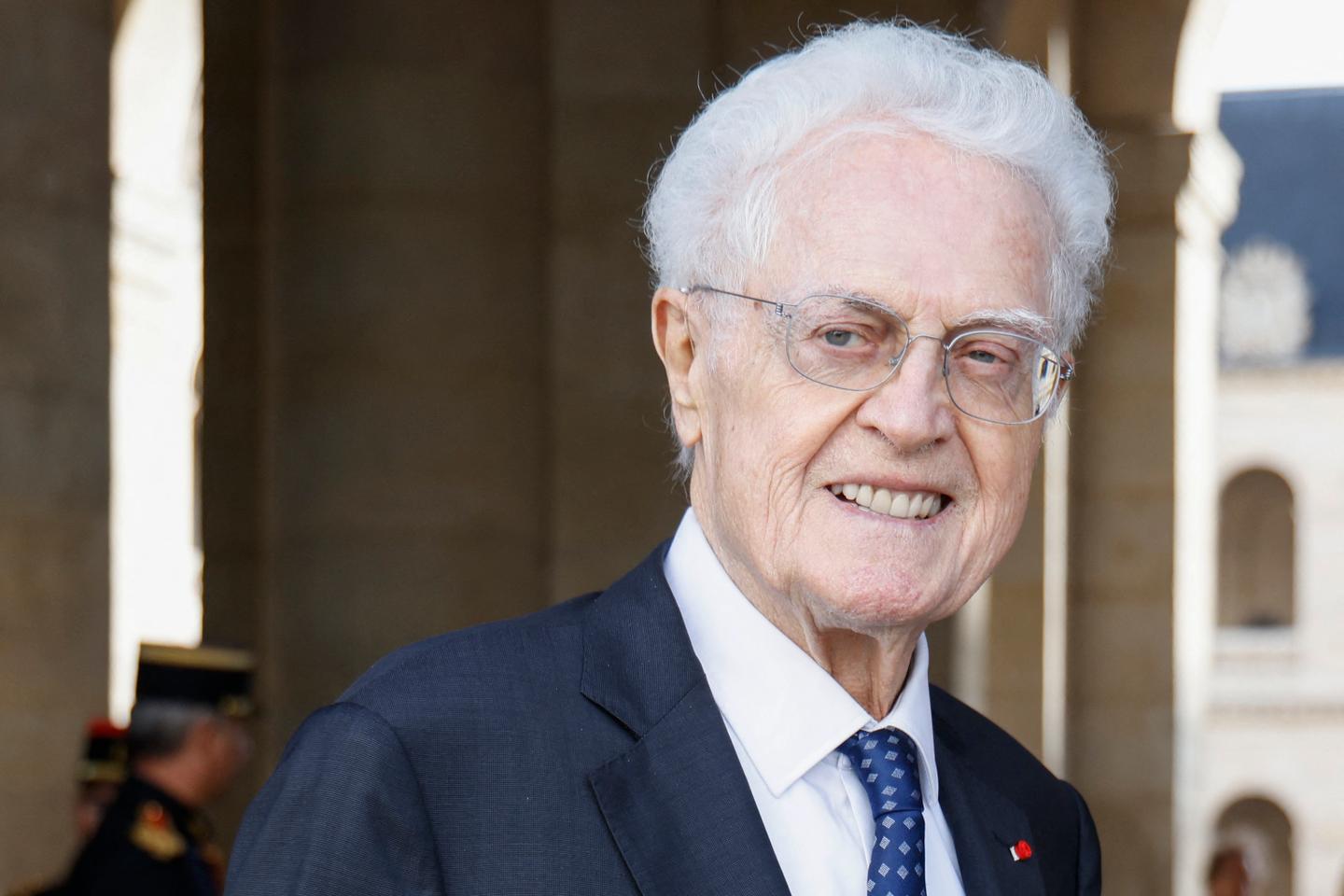
The Impact of Lionel Jospin’s Endorsement in Paris Politics
The political landscape in Paris is undergoing significant changes as we approach the **municipal elections** scheduled for March 2026. The recent endorsement from former Prime Minister **Lionel Jospin** for **Emmanuel Grégoire** adds another layer of complexity to this pivotal election. Jospin, who served as Prime Minister from 1997 to 2002 and remains a respected figure in the Socialist Party, is backing Grégoire amidst a competitive field that includes **Rémi Féraud**. This article will explore the ramifications of Jospin’s support and what it could mean for the candidates and the upcoming elections.
Understanding the Candidates and Their Backgrounds
Emmanuel Grégoire has served as a **deputy for Paris** and was the **first deputy** of the current mayor, **Anne Hidalgo**, from 2018 to 2024. His extensive experience in the political realm and his understanding of local issues position him uniquely as a candidate who is both familiar with the **city’s challenges** and has a vision for its future. On the other hand, **Rémi Féraud** is also a well-known name, with a strong social and political background, providing a close race between the two contenders.
Marion Waller, the director of the **Arsenal Pavilion**, is another candidate entering the fray. Her expertise in urban planning and architecture brings a different perspective to city governance. Each candidate has distinct qualities, but Jospin’s endorsement of Grégoire potentially gives him a **significant advantage** as the **election approaches**.
Why Lionel Jospin Chose to Support Grégoire
In his recent statement, Jospin outlined two primary reasons for his **endorsement**. First, he praised Grégoire’s early and clear declaration of his candidacy, stating that this **foresight** demonstrates his commitment and readiness to take on the responsibilities of leadership. The ability to prepare for such a **political role** is crucial, especially given the complexities of governing a major city like Paris.
The second reason is Grégoire’s personable nature and **ability to connect** with Parisians. Jospin noted that Grégoire’s selection as a candidate is vital in an electoral environment that may pose unique challenges, particularly concerning voter engagement and public sentiment. The former Prime Minister’s belief in Grégoire’s **capacity to persuade** voters serves to strengthen the latter’s campaign.
The Context of the Upcoming Municipal Elections
The 2026 municipal elections in Paris represent a crucial moment for the Socialist Party, which has faced pressures on multiple fronts, including public dissatisfaction and internal party dynamics. The **endorsement by a prominent figure** like Jospin could galvanize support not just for Grégoire but also for the party’s wider electoral strategy. Jospin’s endorsement might also signal a shift or a need for rejuvenation within the party ranks as it seeks to reclaim its stature.
The dynamics of the campaign are further complicated by contemporary challenges such as the economy, urban development, and the ongoing **housing crisis** in Paris. How each candidate articulates their vision and proposes practical solutions to these pressing issues will be key factors in the race.
Analyzing the Potential Voter Response
Political endorsements can drive voter turnout and influence public opinion significantly. Jospin’s historical role and **political legacy** could sway undecided voters and reinforce the commitment of traditional Socialist supporters. His approval might also serve as a **signal** to moderate voters who typically do not lean towards the Socialist Party but value experienced leadership. This cross-sectional appeal is crucial in cities like Paris, where the electorate is diverse and nuanced.
The Challenges Ahead for Emmanuel Grégoire
Despite the advantageous endorsement, **Grégoire** must navigate several challenges as the elections approach. He needs to clearly define his vision and distinct agenda to differentiate himself from Féraud and other candidates. Engaging with constituents and addressing their concerns effectively will be paramount. Moreover, he needs to capitalize on Jospin’s endorsement without appearing overly reliant on his predecessor’s legacy, striking a balance between respect for the past and the need for **new ideas**.
The Role of Public Discourse and Media
As the campaign develops, public discourse and media coverage will play a crucial role in shaping perceptions. Candidates like Grégoire must engage actively with the media to articulate their platforms and rebut any **misconceptions** that may arise. The intersection of social media and traditional forms of communication will also significantly impact how support is garnered.
Moreover, maintaining a positive narrative throughout the campaign will be essential for Grégoire as he seeks to solidify his standing in the polls. Voter confidence in leadership often hinges on their perception of the candidate’s competence and ability to manage crisis points effectively.
Conclusion
The endorsement from Lionel Jospin could be a game-changer in the upcoming municipal elections in Paris. As the election date approaches, the dynamics between candidates, party strategies, and voter engagement will ultimately shape the future political landscape of the city. For Grégoire, leveraging Jospin’s support while maintaining his identity as a leader will be crucial for success in March 2026.