
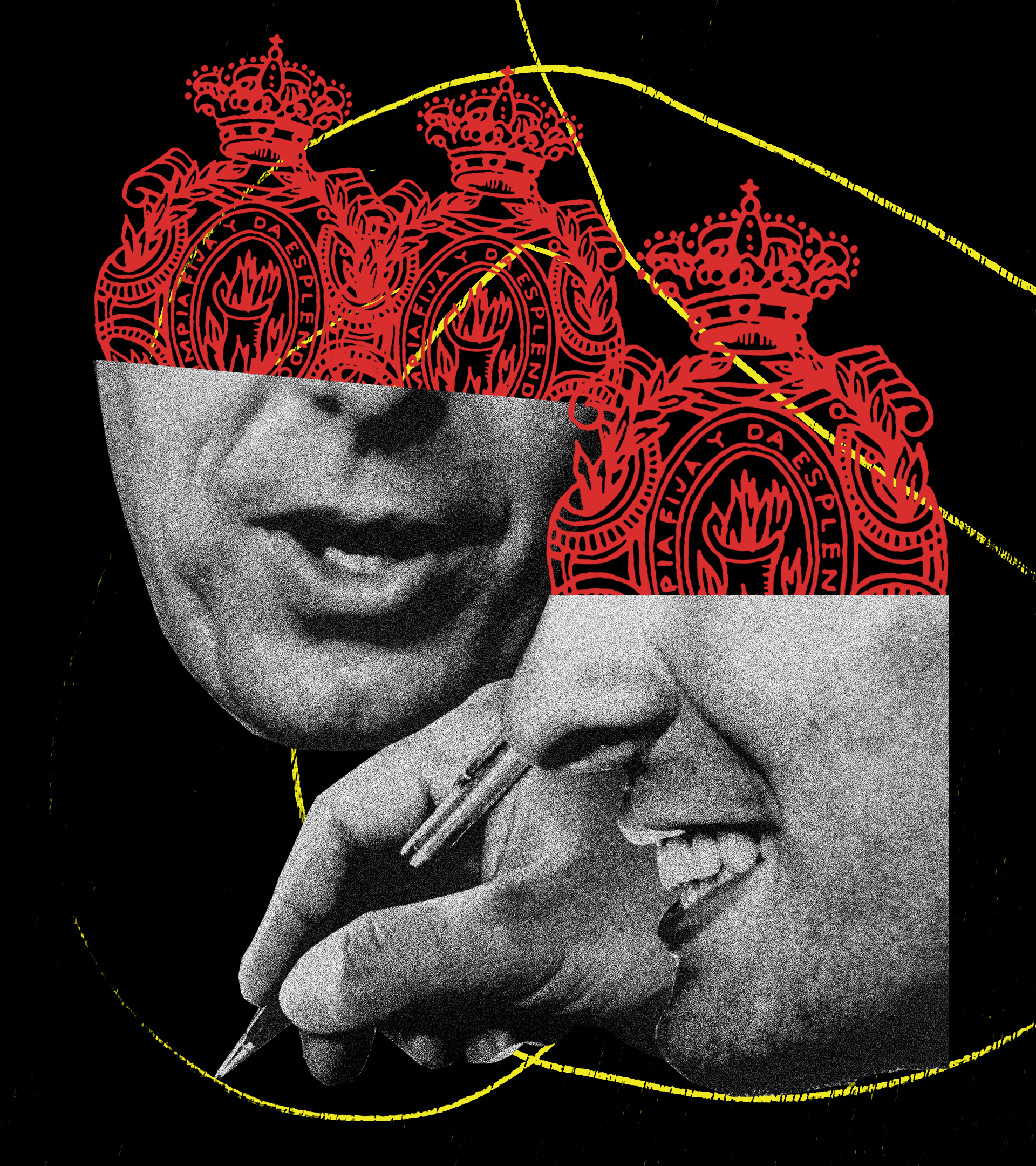
The RAE’s Identity Crisis: A Linguistic Debate
In March 2023, a significant rift within the Real Academia Española (RAE) became apparent. This division is notably between literary figures and technical linguists, sparking controversy following Arturo Pérez-Reverte’s critical article titled Por qué ni fija, ni limpia, ni da esplendor. His concerns highlight an evolving debate regarding language norms and the role of the RAE in contemporary communication.
Pérez-Reverte’s Critique
Pérez-Reverte argues that the RAE has abandoned its traditional role as a linguistic authority. He suggests that external pressures have led to the acceptance of language usage that the Academy would have previously deemed incorrect—especially in light of evolving digital communication. Traditionalists, including Pérez-Reverte, feel that this shift undermines the balance between literary creativity and linguistic precision, leading to a degradation of language standards.
Internal Disputes at the RAE
Multiple sources within the RAE suggest that ongoing disputes reflect deeper issues. Some perceive a “sorpasso”—a shift where technical experts are overpowering literary voices in decision-making. Tensions are highlighted by debates around language use, such as the ongoing discussion about whether to include a tilde in the word “solo”. While some RAE members underscore the importance of evolving language alongside public usage, critics worry that this compromises the institution’s authority.
A Different Perspective on Language
Salvador Gutiérrez O. emphasizes that the RAE’s role is not to act as an Inquisition but rather as a custodian of language for all speakers, not just writers. He argues that language evolves naturally, and the Academy’s job is to guide rather than dictate. Gutiérrez advocates for an open discussion within the Academy, suggesting public criticisms should be addressed internally first.
Continuously Changing Dynamics
Guillermo Rojo echoes this sentiment, asserting that language is dynamic and demands attention in its changing context. Historical practices of the RAE already accommodated diverse texts, not merely canonical literature. The challenge is to ensure the Academy remains relevant in a world with an expanding linguistic database, thereby upholding inclusivity in discussions about language.
Voices of Experience
Veteran member Víctor García de la Concha reinforces the notion that Spanish is diverse and adaptable. Different dialects and usages arise in various regions, highlighting the rich tapestry of the language. This diversity is not a flaw but a strength that should be embraced. He acknowledges current communication challenges within the RAE, emphasizing the need for clear external dialogue regarding their policies.
Two Camps: Usage vs. Norm
Álvaro Pombo notes the current dichotomy within the Academy—one side prioritizing usage while the other upholds tradition. However, he argues that this focus on use over strict norms isn’t necessarily detrimental. Instead, it reflects a broader understanding of how language functions in society, akin to observations in other languages like English.
Looking Ahead
As Santiago Muñoz Machado, RAE’s director, weighs in, sources suggest an openness to evaluating Pérez-Reverte’s critiques. The Academy is poised to engage in discussions to adapt its functions without compromising its fundamental role. Additionally, as leadership transitions near, the stakes are defined—not only for the RAE’s future but also for the ongoing discourse about language in a rapidly changing world.
In conclusion, the RAE stands at a crossroads where tradition and innovation must coexist. These debates reflect larger societal shifts, emphasizing the need for linguistic inclusivity and evolution that resonates with all speakers of Spanish.