
Libya Acknowledges International Criminal Court Authority
Significance of Libya’s Declaration
Karim Khan praised the courage and leadership of the Libyan authorities. He remarked, “I salute the courage, leadership, and decision of the Libyan authorities” for sending an official declaration concerning war crimes and crimes against humanity. This declaration sets a timeframe that extends until the end of 2027 and signifies a new era of cooperation between Libya and the ICC. Khan stated that this agreement represents a "platform of collective action" between these two parties in the pursuit of justice, reinforcing the ICC’s ongoing efforts to hold perpetrators accountable for their actions.
A Historical Context: Libya and the ICC
Even though Libya is not a member of the Rome Statute—the founding treaty of the ICC—the UN Security Council referred the situation in Libya to the court in February 2011. This referral came in response to widespread protests against the regime of Muammar Gaddafi, which were met with brutal force. The Security Council’s involvement has allowed the ICC to investigate human rights violations and address the issues that arose amid the political upheaval in the country.
Calls for Accountability
During the recent meeting, Khan specifically called upon Libyan prosecutor Al-Seddik Al-Sour to act decisively against Osama Almasri Najim, a figure against whom the ICC issued an arrest warrant in January 2025 for war crimes and crimes against humanity. The call to “Stop and deliver” depicts the urgency of the situation regarding Najim, who has been wanted since February 15, 2015. Allegations against him include serious violations such as murders, rapes, and tortures inflicted upon prisoners based on their religious beliefs or for suspected immoral behavior.
The Mitiga Detention Center
Najim is suspected to have been responsible for operations at the Mitiga detention center in Tripoli. This facility has come under scrutiny due to numerous reports of inhumane treatment and severe violations of human rights against detainees. The conditions and actions taken within this facility highlight the broader issue of human rights abuses in Libya, making accountability for these actions a significant priority for international observers and the ICC.
Libya’s Political and Military Landscape
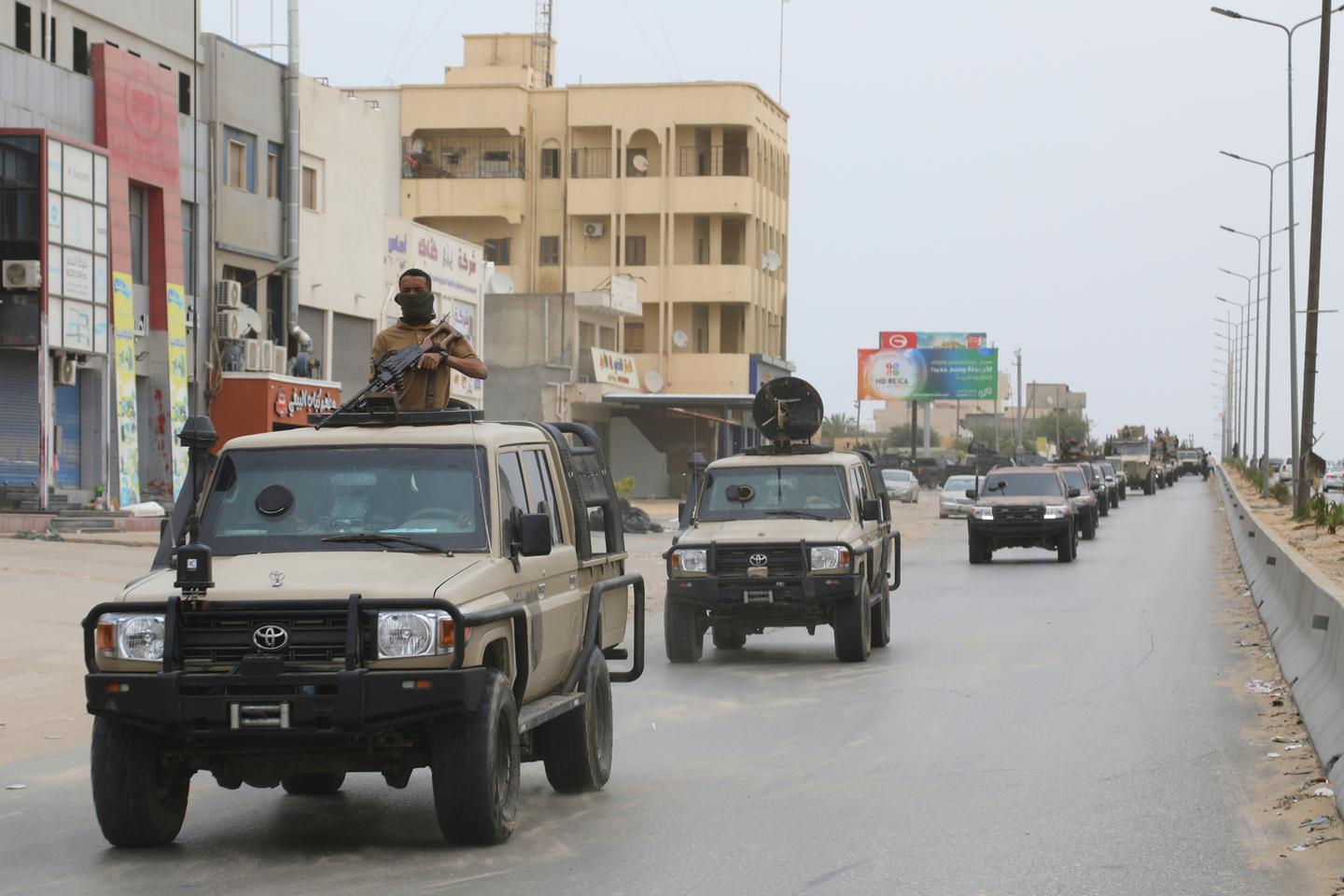
As Libya navigates this complex political and military landscape, the recent clashes in Tripoli have led to a reconsideration of the country’s trajectory. The path forward appears precarious, yet the recognition of the ICC’s authority may illuminate a route towards greater accountability. The international community is watching closely to see how Libya’s leadership responds to these new responsibilities and whether they can foster a culture of justice and transparency in the country.
The Role of the International Community
The advancements made in Libya’s legal acknowledgment of the ICC are not merely symbolic; they carry implications for international relations and diplomatic engagements. As Libya begins to align itself more closely with global legal standards, the country’s leaders must demonstrate a commitment to reforming its justice system and addressing past grievances. The international community has a critical role to play, providing support and resources to help Libya rebuild and rehabilitate its legal framework.
Conclusion
In a rapidly evolving political environment, Libya’s recognition of the ICC marks a pivotal turn towards justice. As the investigations into historical crimes gain momentum, the hope is that this movement will not only facilitate accountability but also lay a foundation for the restoration of peace and stability within Libya. The world anxiously awaits how the situation will develop in the coming years, particularly in light of the ongoing challenges that the nation faces.
This content structure ensures all key points are thoroughly covered, maintaining coherence and clarity. It adheres to SEO best practices, highlighting essential terms and topics relevant to readers interested in current developments in Libya and international justice.