
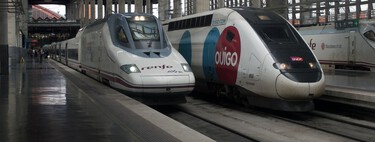
A high-speed runner that is becoming more expensive and others that seem to have hit the ground. The arrival of competition to Renfe promised to reduce the price of train tickets. In fact, it reduced them. But the big question is knowing when they will rise again. Or, if necessary, how far they will end up going up.
Spring Trends in High-Speed Rail
Spring is when the latest report from the CNMC was released, analyzing prices and occupancy of high-speed trains. This data, covering April, May, and June, reveals interesting trends. Despite offering 0.6% fewer seats, the number of travelers increased by 4.4% compared to 2024. This growth indicates a strong preference for high-speed rail, particularly during the Easter holidays and the onset of summer travel.
Passenger Data Insights
What do the data tell us? The statistics indicate that passengers are increasingly favoring high-speed travel. In the second quarter of 2025, 11.8 million passengers boarded long-distance high-speed trains—a jump of 16.1% from the previous quarter and 15.2% from the same quarter last year.
However, the situation varies significantly across different routes. For instance, the Madrid-Barcelona route has seen price increases, while corridors like Andalusia and Valencia are stabilizing.
Price Dynamics Across Corridors
The cheapest routes, primarily those in Andalusia and Valencia, have seen ticket prices decrease. For example, traveling from Madrid to Seville is now 8.6% cheaper than the previous year, with Ouigo and Iryo driving these reductions. Conversely, on the Madrid-Barcelona line, the average ticket has soared from around 40 euros at the start of 2024 to approximately 63.14 euros by mid-2025.
Comparing Price Trends
The Madrid-Málaga corridor remains about two euros cheaper compared to last year, demonstrating Ouigo’s competitive pricing strategy. Meanwhile, the average ticket for Madrid-Valencia and Madrid-Alicante has also seen substantial reductions, at 8.3% and 8.7%, respectively.
It’s crucial to note that while Renfe has considerably lowered ticket prices for its AVE trains, the overall market shows signs of stagnation, suggesting a shift in pricing dynamics as competitors reconsider their strategies.
The Impact of Competition
Have we hit the ground? As we contemplate the future, the landscape is evolving. Iryo and Ouigo seem to be stepping back from aggressive pricing wars, indicating that sustaining such competitive prices may not be feasible. With both companies starting to pivot towards profitability, there are signals that price increases may be on the horizon.
Renfe’s leadership has expressed clear intentions to follow suit if competitors raise their prices. The company’s president is prepared to match any increases, suggesting a potential uptrend in general ticket costs.
Conclusion: What’s Next for High-Speed Rail?
Ultimately, as companies consolidate their positions and move away from low-price strategies, high-speed rail enthusiasts may need to brace themselves for a shift in affordability.