
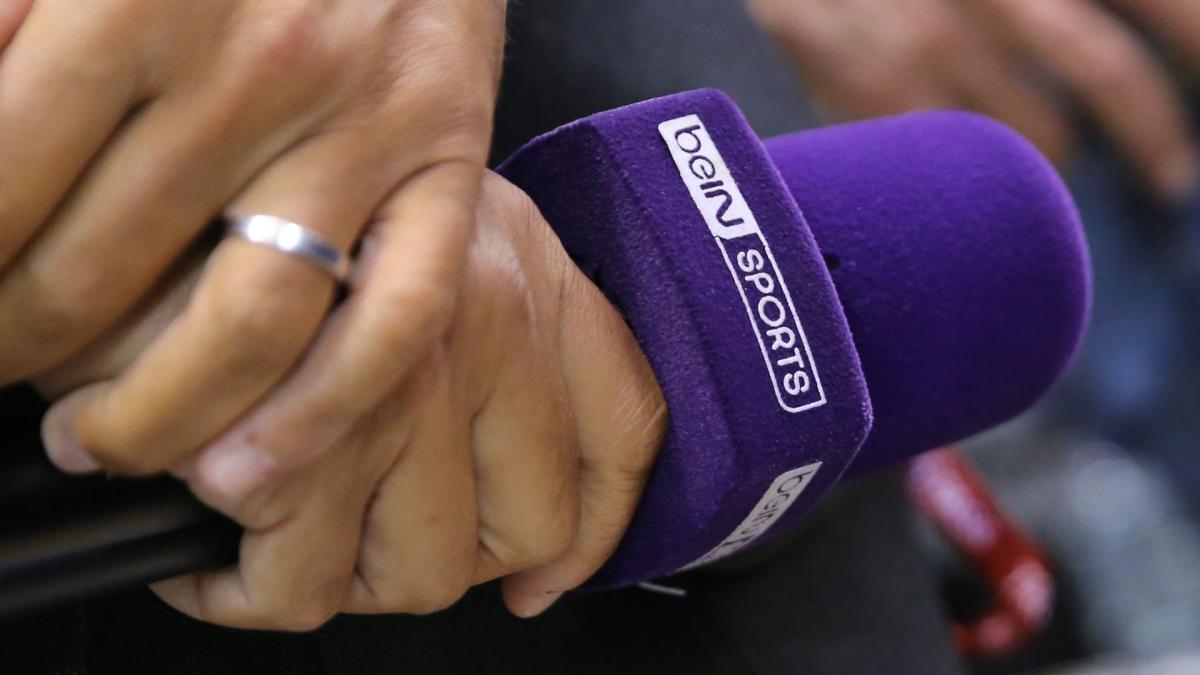
Conflict Between Ligue 1 and Broadcaster BeIN Sports Heats Up
The ongoing tensions between the Ligue de Football Professionnel (LFP) and BeIN Sports are reaching critical levels, as both entities grapple with the complexities of broadcasting rights for Ligue 1. The competition for viewership and revenue in professional football has never been fiercer, and the intricacies of broadcasting rights have only exacerbated this struggle.
In the latest developments, the LFP has launched its own platform, Ligue 1+, which will take over from Dazn, the former rights holder. Dazn had previously held the rights for the last season, providing fans with access to live matches. However, Saturday’s coveted 5 p.m. slot is still owned by BeIN Sports, a broadcaster that has been at the center of a contentious dispute with the LFP.
BeIN Sports, backed by the Franco-Qatari connection, is contracted to pay a staggering €78.5 million for the rights. Yet, the contract comes with stringent restrictions. Among the most pressing limitations is a clause that prohibits the broadcasting of any single team more than eight times per season. Additionally, BeIN Sports isn’t allowed to broadcast the same club on consecutive days, creating logistical challenges for the network.
These constraints have led to increasing frustration on both sides. In a recent statement, Nicolas de Tavernost, CEO of LFP Media, highlighted payment delays amounting to €18.052 million from BeIN Sports. The financial burden threatened by these delays poses risks to the LFP’s plans for its streaming service, which has a high production cost of €66 million.
“We have recalled its contractual obligations to BeIN Sports, particularly the future payment of its next deadline on August 5 regarding domestic rights for Ligue 1,” de Tavernost remarked. His comments reflect a growing concern that BeIN Sports may not meet its obligations, jeopardizing the financial wellbeing of the whole league.
The precarious financial situation not only affects the LFP but also has a ripple effect on clubs within Ligue 1. These organizations rely heavily on broadcasting revenues to cover operational costs, player salaries, and other essential expenditures. Thus, any failure on BeIN’s part to fulfill its contractual obligations could lead to severe repercussions for the entire league ecosystem.
Fans are left anxious, too. Many supporters depend on access to games to remain engaged with their teams, and the growing uncertainty has sparked concerns about how conflicts in the broadcasting landscape could affect their viewing experiences. The withdrawal or modification of broadcast agreements could further isolate fans from the action, creating barriers to access and enjoyment of the sport they love.
In a consumer-driven era, where fans demand flexibility and user-friendly options, it’s crucial for broadcasters and leagues to innovate, adapt, and address concerns arising from the ongoing dispute. While Ligue 1+ aims to fill the gap, its long-term viability is directly tied to the capability of existing broadcasters like BeIN Sports to resolve their conflicts and provide viable viewing options for fans.
The backdrop of the dispute is particularly important to consider. In an era dominated by streaming giants and advanced technology, Ligue 1 finds itself in a unique crossroads. The stakes are high, with multiple players vying for the attention of football fans. Competing interests must collaborate to find solutions that provide value for consumers while ensuring that profits remain stable for both leagues and broadcasters alike.
Continued negotiations between the LFP and BeIN Sports will be critical in determining the future of Ligue 1 broadcasting rights. Both parties must navigate the complex landscape surrounding contractual obligations, payment timelines, and broadcast restrictions, while also keeping the interests of fans at the forefront of their discussions.
Failure to resolve these issues could lead to significant disruption in how fans consume Ligue 1 football. The current situation thus serves as both a warning and an opportunity—inviting both sides to reassess their strategies for maximizing viewership while maintaining profitability. In a sport as globally beloved as football, it is essential that all stakeholders prioritize fans and work towards a more seamless broadcasting experience that truly reflects the passion and commitment of the sport.
As the complexities evolve, the looming deadline of August 5 will serve as a pivotal moment for BeIN Sports and its relationship with the LFP. With fans watching closely, the repercussions of this conflict promise to resonate far beyond any single match, ultimately affecting the entire landscape of Ligue 1 football.