
The Ongoing Tensions: Lebanon’s Standoff with Iran Over Hezbollah’s Disarmament
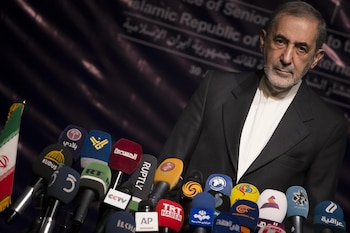
The Lebanese government has intensified diplomatic tensions with Iran in recent days, primarily due to remarks made by Ali Akbar Velayati, an advisor to Iranian Supreme Leader Ayatollah Ali Khamenei. Velayati openly criticized Lebanon’s plans to disarm the Hezbollah militia, which is widely recognized as an extension of Iran’s influence in the region. This diplomatic incident raises questions regarding foreign interference in Lebanon’s domestic affairs, especially concerning the disarmament of an influential political actor like Hezbollah.
For several months, Lebanese authorities, in cooperation with the United States, have been working on a comprehensive plan to disarm Hezbollah. The intention behind this initiative is to foster greater stability in the region and appease long-standing tensions with Israel. The Israeli and Hezbollah conflict has escalated significantly in recent years, culminating in armed confrontations during conflicts, including the Gaza War . The existing ceasefire, established at the end of last year, is fragile and reliant on the political maneuvers within Lebanese territories.
In a statement echoed by various media outlets, Velayati emphasized his disapproval of any actions aiming at Hezbollah’s disarmament. “Iran has always supported the people and the resistance of Lebanon and continues to do so,” he asserted, highlighting Iran’s vested interest in maintaining Hezbollah’s presence and influence in Lebanese politics. His comments were published by the Iranian news agency Tasnim, showcasing Iran’s ongoing support for militant factions in the region.
In response to these provocations, the Lebanese Foreign Ministry released a stark denunciation. They framed Velayati’s statements as “a flagrant and unacceptable interference in the internal affairs of Lebanon.” Furthermore, they remarked that this was not the first time that Iranian officials have made unjustifiable statements regarding Hezbollah and Lebanon’s sovereignty, reflecting a consistent pattern of external pressure.
“Lebanon will not allow any external part, whether friend or enemy, to speak on behalf of its people or attempt to impose any form of guardianship over its sovereign decisions,” asserted the Lebanese authorities. This statement serves as a testament to Lebanon’s desire to assert its sovereignty amidst a backdrop of complex geopolitical dynamics, particularly the historical reliance on Iran by various factions within Lebanese society.
Moreover, the Lebanese government stressed that matters pertaining to the future of Lebanon, its political system, and policies are to be determined exclusively by the Lebanese people through democratic processes, free from external pressures. The ministry openly urged Tehran to focus on its internal affairs rather than meddling in concerns that do not pertain to it.
The Foreign Ministry concluded by asserting, “The Lebanese State will remain firm in its defense of sovereignty and will respond according to diplomatic norms to any attempts to undermine its authority or decisions.” This bold statement sums up Lebanon’s stance, emphasizing its hope for integrity while navigating external influences from both regional and global powers.
As tensions mount in the region, Lebanon finds itself embroiled in a diplomatic tug-of-war that will shape its future. The challenge remains to not only manage the internal pressures of groups like Hezbollah but also balance external relationships, particularly with Iran and the United States. The outcome of this ongoing conflict will significantly impact Lebanon’s political landscape and its role in the broader Middle Eastern geopolitical framework.
In a time when the complexities of international relations are at an all-time high, Lebanon’s assertive response to Iranian criticism is an important chapter in understanding the current political climate, illustrating the delicate balance of power and influence in a region that has seen too many conflicts over the years.