
The Voice of Peace in Troubling Times
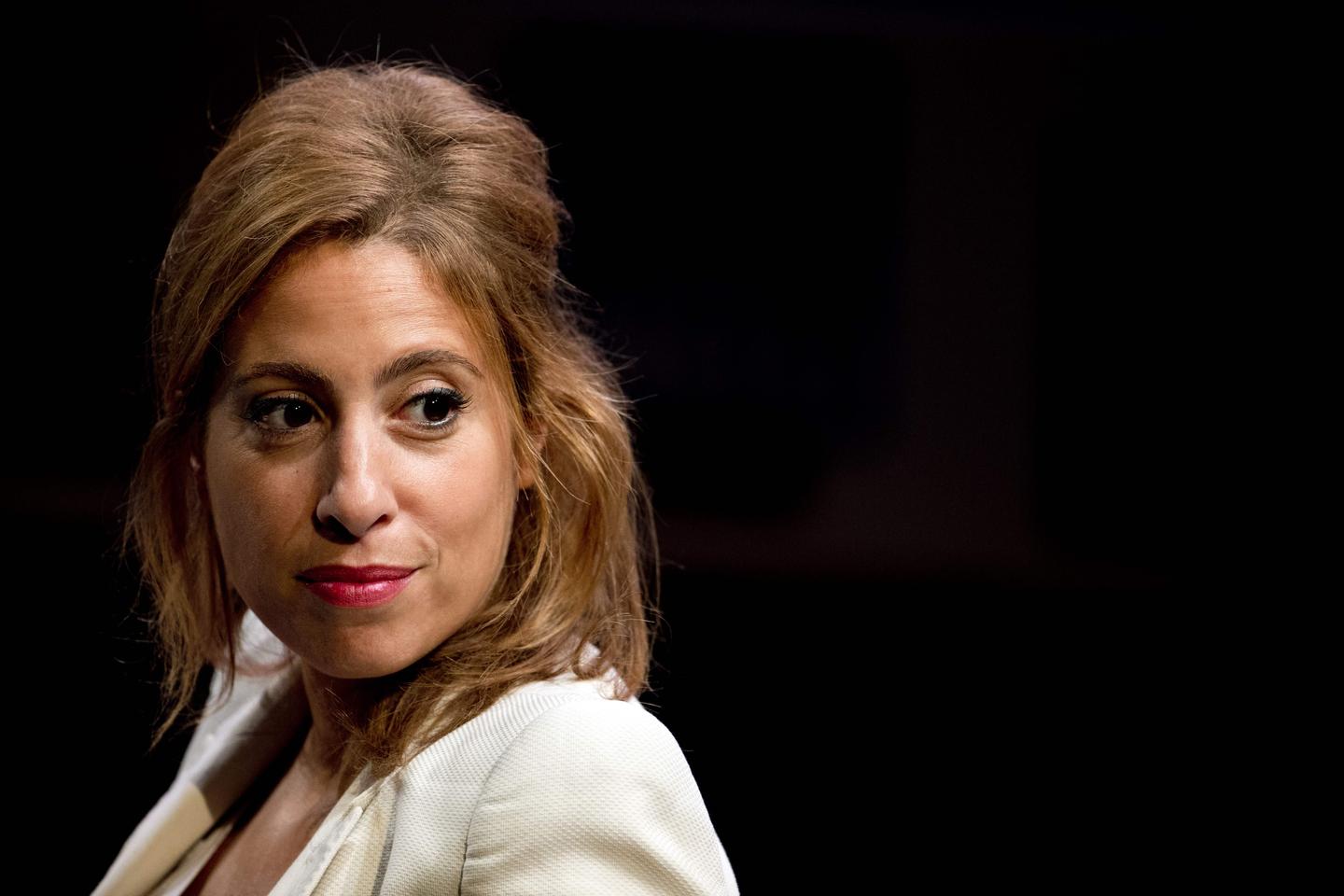
In a recent broadcast, Léa Salamé emphasized the importance of being a “voice of peace” amidst troubling times. The presenter of France 2 addressed controversial comments made by Thierry Ardisson, where he controversially compared Gaza to Auschwitz, igniting public outrage.
Contextualizing the Discourse
Salamé initiated her response during a segment of her show, stating her intentions to challenge the “trivialization of the Holocaust.” Her recollection of Ardisson’s remarks highlights the cultural sensitivities surrounding the Holocaust and ongoing conflicts in the Middle East. Recognizing that these comments hurt many, she remarked, “I acknowledge that this sequence shocked, I know it injured people.” The presenter stressed the significance of historical memory and the dangers of comparing modern-day tragedies to historical atrocities.
In her discourse, Salamé expressed her commitment to fighting against hatred and prejudice. Her family’s history, which includes experiences from the Armenian genocide and conflicts in the Middle East, shapes her narrative. She passionately declared, “I will continue all my life trying to make a voice of peace and appeasement heard; it’s my fight.”
Addressing Controversial Remarks
Thierry Ardisson’s assertion—that Gaza could be likened to Auschwitz—stirred significant backlash. The response from various organizations, including the international league against racism and anti-Semitism, underscores the sensitive nature of such statements. As public figures, hosts like Ardisson and Salamé play a pivotal role in shaping narratives, and careless comparisons can lead to widespread misinformation and cultural insensitivity.
Salamé went on to say, “What I can’t accept is to trivialize the ultimate abomination that was the Holocaust.” Her recount reinforces the notion that media personalities must navigate the thin line between expression and responsibility. She urged her audience to address the complex realities surrounding issues of race, identity, and memory while fostering a culture of understanding.
Humanitarian Concerns Amidst Conflict
Recent events in Gaza have sparked a global outcry, drawing attention to the ongoing humanitarian crisis. Following attacks by Hamas on October 7, 2023, Israel has implemented strict measures, including the blockade of humanitarian aid into Gaza. Salamé highlighted the plight of innocent civilians affected by war, emphasizing that “silencing voices” during crises only deepens divides.
Under oppressive conditions, the situation remains dire, with countless families suffering from a lack of basic necessities. The international community continues to express its concern, advocating for humanitarian intervention.
A Commitment to Peace
In her closing remarks, Salamé’s commitment to fostering dialogue reached a crescendo as she appealed for greater empathy between communities. She proclaimed, “We must rise against hate and work towards unity.” The cycle of violence and hatred, she argues, must be disrupted through understanding and compassion.
With crises like that of Gaza, Salamé’s words ring true: there is a need for individuals and leaders alike to embrace the role of peacemakers. Education, empathy, and a genuine commitment to peaceful coexistence are paramount in such tumultuous times.
The Impact of Media in Conflict
Salamé’s remarks serve as a testament to the role that media plays in shaping public opinion and rhetoric. That is why journalists and hosts must approach sensitive topics with care. The public’s reaction to Ardisson’s statements illustrates how deeply intertwined media and societal perceptions are—especially concerning historical atrocities.
The responsibility that comes with being a public figure demands a conscientious approach to communication. Salamé’s insistence on historical accuracy and awareness echoes a broader call for integrity in media. She urged for a collective responsibility in speaking truthfully about history while considering the implications of our words in a globally connected society.
As Salamé continues her quest to champion peace, her story serves as a reminder of the power of journalism in effecting social change. Striving to weave the voices of countless individuals into a cohesive narrative not only educates but also promotes understanding and healing.
In conclusion, the quest for a peaceful dialogue in our fragmented world is not just a personal struggle; it is a societal necessity. Lemur Salamé’s outspoken advocacy reinforces the belief that, even amid unprecedented challenges, there is hope for an inclusive discussion—a voice of peace that can indeed bridge divides.