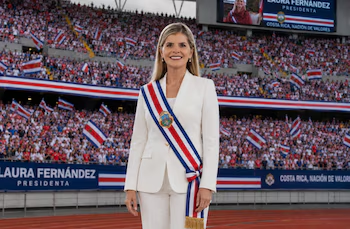
The former minister will assume the leadership of the country amid political expectations and a historic event for female representation in the Central American country
Laura Fernández Takes Office
Laura Virginia Fernández Delgado will officially become the president of Costa Rica this Friday. Following her electoral victory with an impressive 48% of the vote this past February, Fernández is set to make history as the second female leader in the country’s history. The 39-year-old political scientist cites Rodrigo Chaves, the outgoing president, as her role model and inspiration for her approach to governance, emphasizing the importance of maintaining continuity in leadership.
The Inaugural Ceremony
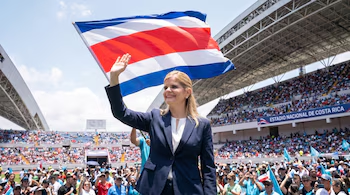
The transfer of power will occur at the National Stadium, a venue selected to signify the democratic spirit of Costa Rica. The event promises to be a grand celebration, with various high-profile attendees expected to be present, including presidents, ministers, and ambassadors from around the world. This ceremony marks not only a personal milestone for Fernández but also represents a significant moment for the country, as it celebrates the increased representation of women in political office.
A Milestone for Female Leadership
Fernández’s ascent to the presidency is not merely a personal achievement; it represents a landmark moment for women in Costa Rica. She becomes the 50th president of the nation, joining the ranks of influential women who have paved the way for increased female representation in politics. Her predecessors include Laura Chinchilla, who was the first woman in the role, and her legacy continues as Fernández steps into this pivotal position.
Supporters Unite at the National Stadium
The atmosphere at the National Stadium is expected to be electric, with supporters of Laura Fernández arriving in droves to witness this historic transfer of powers. The presence of enthusiastic crowds underscores the hope and optimism that Fernández’s leadership brings to many Costa Ricans. This collective moment of celebration signifies not only political change but also cultural advancement in the ongoing journey for gender equality in leadership roles.