
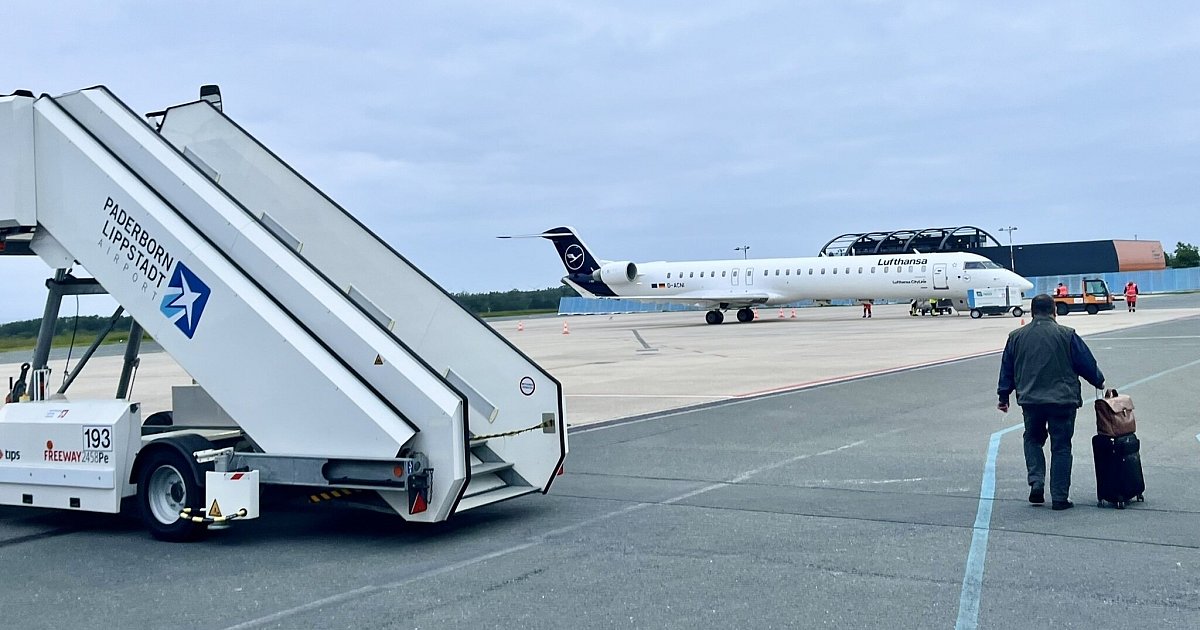
Lufthansa Bids Farewell to Paderborn: A New Chapter Begins
The recent decision by Lufthansa to cease operations at Paderborn/Lippstadt Airport marks a significant shift in the local air travel landscape. With flights officially stopping, the airline’s departure leaves both travelers and the airport community reflecting on this pivotal moment. Customers and stakeholders are now tasked with adjusting to these changes in air connectivity.
A Historical Overview
Lufthansa’s presence in Paderborn dates back several decades, offering a direct link to Munich, one of the airline’s key hubs. Over the years, the airport facilitated various business and leisure travelers, supporting the growth of the local economy. Lufthansa operated numerous flights, providing residents with vital access to international destinations.
However, as trends in the airline industry shifted, and with the pandemic’s impact, airlines have had to reassess their routes critically. Paderborn’s airport, with its limited traffic volume compared to larger regional airports, became a target for these strategic reevaluations.
Closure Announcement
The announcement came as Lufthansa confirmed it would withdraw completely from Paderborn by the end of this month. Local media reported that the final flight to Munich took off recently, marking the end of an era. The atmosphere at the airport during the last departure was a mixture of nostalgia and sadness. Many passengers onboard shared their experiences with the airline, reminiscing about past travels and connections made through Lufthansa.
Farewell Events
To commemorate this event, the airport organized a farewell ceremony. It featured speeches from local leaders expressing gratitude for the service provided by Lufthansa to the community. Attendees included longtime customers and dignitaries who spoke about the importance of the airline in facilitating regional growth and tourism.
Photographic displays showcased Lufthansa’s history at Paderborn, highlighting memorable flights, passenger experiences, and community engagements that occurred over the years. A sense of community pride pervaded the event, as noted by many local residents who relied on the airline.
Future Prospects for Paderborn Airport
While the departure of Lufthansa signifies a loss, it also opens the door for other airlines to enter the market. In the wake of such closures, Paderborn/Lippstadt Airport is actively pursuing new partnerships to fill the void left by the German airline. Authority representatives are optimistic about potential new routes to other European destinations.
One proposed area of development is to enhance regional flight options, promoting local tourism while attracting business tourism. With an eye toward expanding low-cost carriers, the airport is in active discussions to develop routes that cater to the changing needs of local and regional travelers.
The Broader Implications
Lufthansa’s exit from Paderborn mirrors trends seen across Europe, where several regional airlines have opted to eliminate less profitable routes, focusing on their major hubs instead. This trend raises concerns about the sustainability of regional airports, particularly in less populated areas.
Critics argue that if major airlines continue to scale back, small airports risk losing their economic viability. However, transportation experts suggest that this could also be an impetus for regional airports to innovate and diversify their offerings, potentially embracing not only passenger transport but also cargo services to ensure financial stability.
Conclusion
As Paderborn embraces a future without Lufthansa, the community reflects on the memories shared and the connections made. The airport faces challenges but is also presented with unique opportunities to adapt and grow. Stakeholders remain hopeful, eyeing new partnerships while preparing to welcome incoming airlines that can meet local travel needs. The transition may serve as a catalyst for innovation in the aviation sector at Paderborn, ultimately redefining its role within the broader landscape of regional air travel.