
Ceasefire Negotiations: A New Hope for Peace
The ongoing conflict between Russia and Ukraine has drawn the world’s attention for months. Recently, the American president announced a potential breakthrough in the tense situation. On his social media platform, Truth Social, he stated that both nations would immediately start negotiations for a ceasefire. Most significantly, he emphasized the need to work towards the end of the war, which has caused immense suffering and displacement.
The Call that Changed Everything
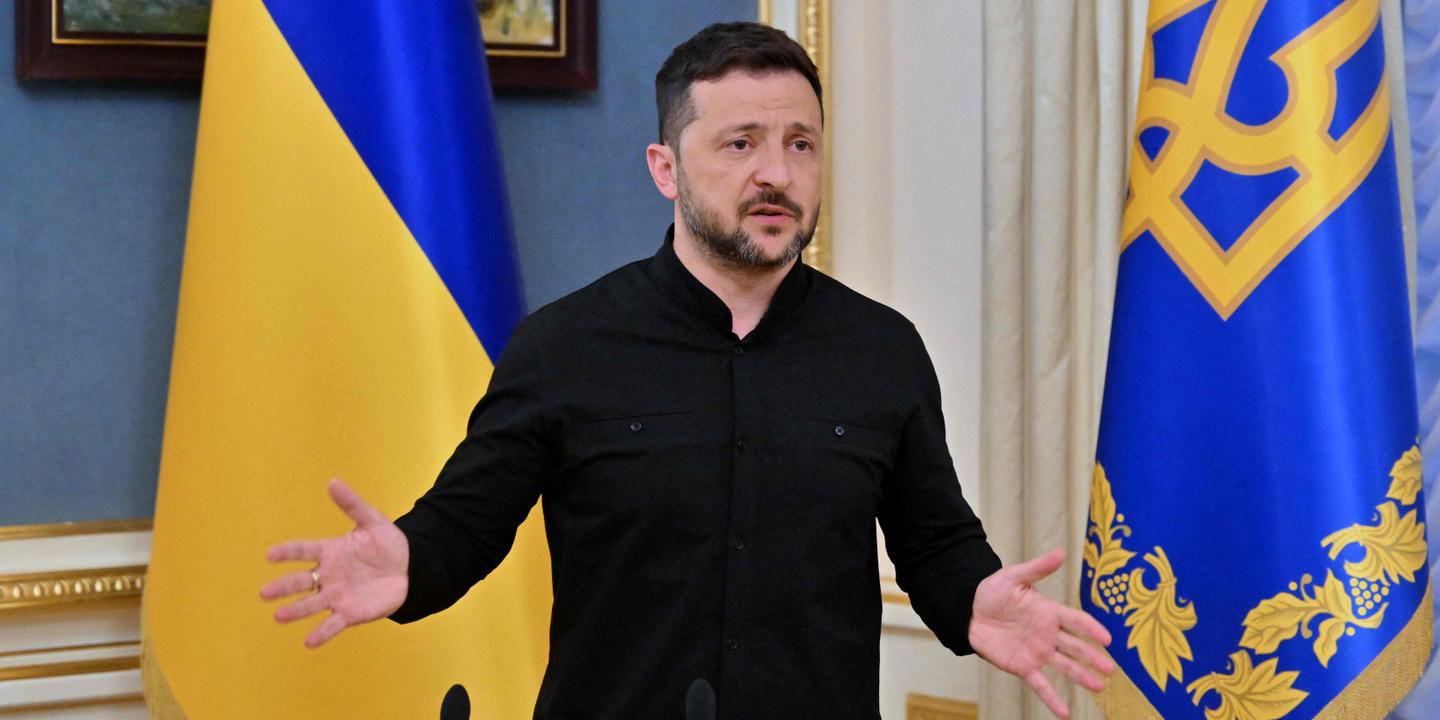
Following a telephone conversation with Russian President Vladimir Putin, the American president took decisive action. He promptly informed key international leaders about the discussion, which raised hopes for a diplomatic solution. This list included prominent figures like Ukrainian President Volodymyr Zelensky, European Commission President Ursula von der Leyen, and French President Emmanuel Macron. The involvement of these leaders showcases the global stakes in the conflict.
The significance of the call cannot be underestimated, as it lays the foundation for re-engagement between the conflicting parties. Diplomatic efforts have long been stalled, but the willingness to initiate negotiations is a promising sign. The world is eager to witness how these conversations will unfold.
The Role of International Leaders
International cooperation plays a crucial role in the effectiveness of any ceasefire negotiations. The involvement of key leaders such as Italian Prime Minister Giorgia Meloni, German Chancellor Friedrich Merz, and Finnish President Alexander Stubb indicates a collective interest in finding a solution. These leaders represent different nations that have been affected by the war in various ways, either directly or indirectly.
The president of the United States noted, "I informed…immediately after the call with President Putin." This assertion underscores the urgency and importance of collaborative efforts in resolving the conflict. A multitude of voices advocating for peace can create a more compelling narrative for both Russia and Ukraine.
Previous Failed Attempts at Negotiation
Historically, both nations have grappled with numerous failed attempts at reaching a ceasefire. Previous negotiations were often derailed by disagreements over territorial claims and military actions. Tensions have escalated time and again, leading to loss of life and increasing humanitarian crises.
Looking back, the Minsk Agreements were one of the most notable attempts to establish peace, but they too proved ineffective. Various political maneuvers, along with a lack of trust between the parties, created obstacles to successful implementation. This time, the involvement of global powers may provide the necessary leverage to bridge these longstanding gaps.
The Human Cost of the Conflict
The humanitarian toll of the ongoing war is staggering. Millions have been displaced, and countless families have been torn apart. The everyday life of Ukrainians has been transformed into a struggle for survival, while Russian citizens have also faced significant economic ramifications due to international sanctions.
This tragic reality adds another layer of urgency to the ceasefire discussions. People around the world are yearning for peace, and there is a collective hope that negotiations can lead to a resolution that benefits both sides. Humanitarian organizations are closely monitoring the situation, advocating for immediate relief efforts as talks commence.
The Potential for a Lasting Peace
While the prospect of negotiations may bring a glimmer of hope, challenges still loom large. Both parties will need to engage in good faith discussions to establish a framework for lasting peace. This requires not only willingness from the leaders involved but also a commitment from their respective governments and military forces.
To ensure the success of talks, it is essential to address the fundamental issues at play. These include territorial disputes, security concerns, and the restoration of diplomatic relations. Establishing a shared vision for future cooperation could significantly alter the dynamics of the conflict.
The Global Community’s Role
In addition to the direct stakeholders, the international community has a vital role to play in supporting the peace process. Countries around the world must remain engaged and provide the necessary backing for a peaceful resolution. Diplomatic channels should remain open, and the global narrative should focus on encouraging dialogue instead of further division.
This scenario paints a complex but potentially fruitful picture of what’s to come. Global efforts to advocate for peace could tip the balance in favor of reconciliation.
Conclusion
As Russia and Ukraine embark on this new phase of negotiation, the world watches closely. The importance of international cooperation cannot be overstated, and now is a critical moment for leaders to rise to the occasion. With the promise of dialogue, there exists an opportunity to turn the tide toward peace, marking the end of a prolonged and devastating conflict. Everyone hopes for a future where both nations can coexist harmoniously, paving the way for recovery and rebuilding. The unfolding events will be crucial in shaping the geopolitical landscape of the region and beyond.