
Koalas and Genetic Recovery: A New Perspective on Conservation and Extinction
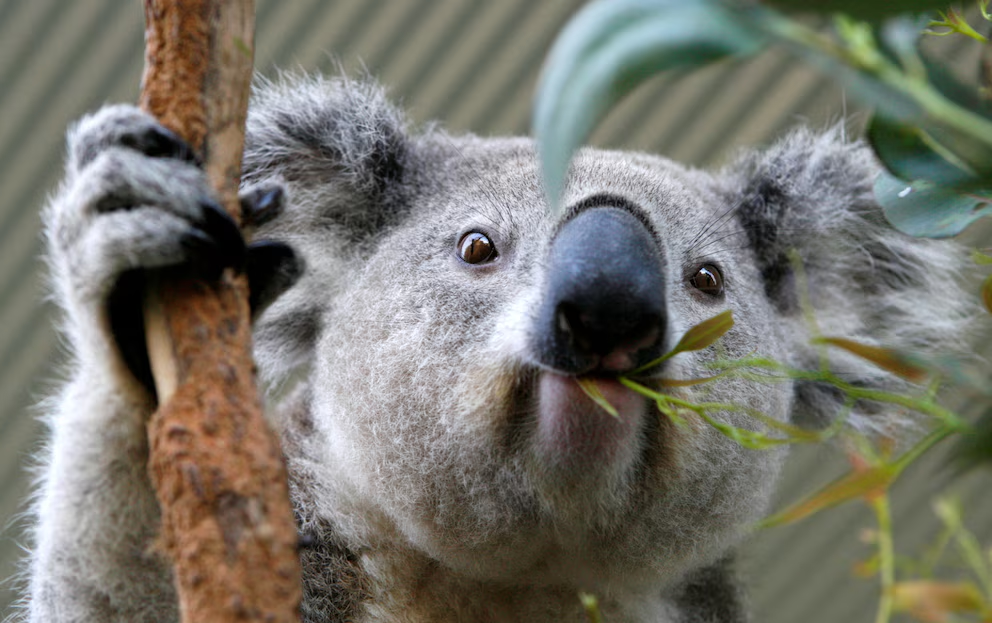
Koala research suggests other threatened species can also regain evolutionary resilience despite genetic bottlenecks – REUTERS/Daniel Munoz/File Photo
Challenging Conventional Wisdom
A groundbreaking study published in Science, led by researchers from the University of Sydney, is reshaping our understanding of extinction risk in koalas. Traditionally, low genetic diversity has been viewed as a critical precursor to species extinction. However, this research reveals that populations that have experienced severe bottlenecks are showing signs of genetic recovery and improved adaptive potential.
The Role of Genetic Diversity
Recent analyses of 418 Australian koalas indicate that relying solely on measures of genetic diversity to predict extinction risk is insufficient. The study emphasizes the importance of factors such as demographic history, population growth, and the prevalence of rare alleles. Understanding these components is crucial for developing effective conservation strategies.
Victoria vs. Queensland
The research examined koala populations across various Australian regions, particularly focusing on Victoria, Queensland, and New South Wales. Remarkably, Victoria’s koalas rebounded from a population of approximately 1,000 individuals to nearly 500,000 over a century, largely due to proactive management and habitat restoration. In stark contrast, northern populations in Queensland and New South Wales are witnessing stagnation or decline, accompanied by a higher mutational load that could jeopardize their adaptability.
Signs of Regeneration
Victorian koalas, having faced the most intense genetic bottleneck, are evidently regenerating. Data indicates an increase in both effective population size and rare genetic variants, along with a relative decrease in harmful mutations. This demonstrates that genetics are not static; rather, they can evolve positively under favorable conditions.
Fundamental Biological Factors
According to the University of Sydney, recovery extends beyond mere population numbers. Key biological processes, such as genetic recombination and rapid population growth, play a vital role in generating new genetic variants and erasing detrimental mutations. The combination of these factors cultivates a more robust genetic landscape.
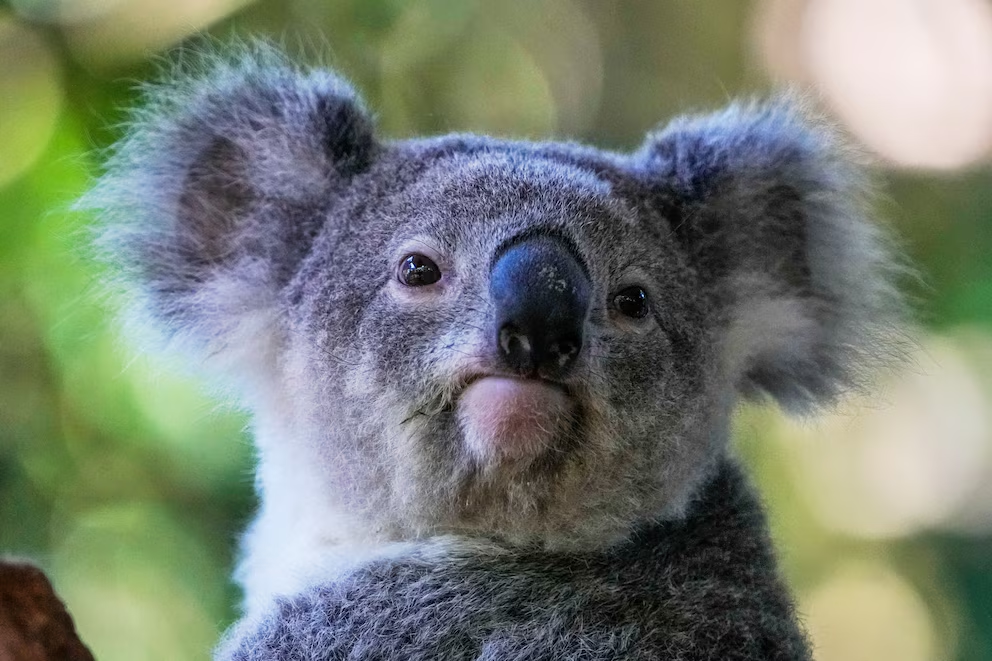
The study published in Science dismantles the belief that low genetic diversity determines the imminent extinction of the koala – (AP Photo/Mark Baker, File)
Rethinking Conservation Strategies
The study highlights the necessity of moving away from static models of conservation management. By understanding and integrating dynamic evolutionary processes, conservationists can better appreciate the resilience of certain populations. Singular focus on genetic diversity could lead to misguided strategies that overlook the nuances of each population’s circumstances.
Promoting Genetic Connectivity
One of the recommendations from the research is promoting genetic connectivity among different regions. Facilitating the exchange of functional variants and distributing rare alleles could significantly enhance the evolutionary resilience of koalas and other endangered species.
Conclusion: A New Era of Biodiversity Preservation
This research underscores the notion that low genetic diversity does not inherently equate to a limited evolutionary future. Recognizing evolution as a continuous process and tailoring conservation efforts according to the genuine genetic and demographic history of each population will provide a pathway to preserve biodiversity amid the challenges of the 21st century. By embracing these findings, we can ignite more effective conservation efforts that not only support koalas but also protect the myriad of species facing similar challenges today.
Genetic recombination and rapid population growth allow koalas to regenerate rare variants and reduce harmful mutations – REUTERS/Piroschka van de Wouw