
Captured Key Member of the Aragua Train in Bucaramanga: A Significant Blow to Organized Crime
Arrest Overview
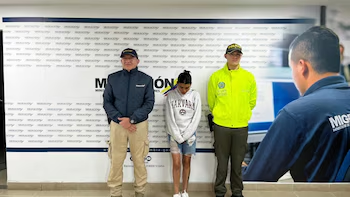
A recent immigration control operation on the Bucaramanga-Cúcuta highway led to the arrest of a Venezuelan woman identified as a crucial figure in the financial operations of the Tren de Aragua, a notorious transnational criminal organization. This operation, which intercepted her while she was traveling on an interdepartmental bus, marks an important development in the ongoing battle against organized crime in Latin America.
Details of the Capture
The woman was apprehended at a Migration checkpoint in Colombia. Authorities confirmed she was subject to an Interpol red notice, indicating her wanted status by the U.S. justice system. Cristian Portilla, the mayor of Bucaramanga, emphasized her alleged responsibilities in managing the Tren de Aragua’s finances, which includes a troubling background in banking scams.
This collaboration between Colombian and U.S. authorities highlights a concerted effort to dismantle the financial networks that support organized crime. The extradition request from the U.S., related to her involvement in extensive criminal activities, stands as a testament to international cooperation in law enforcement.
The Implications of the Arrest
The woman’s capture is particularly significant given her alleged key role in the Tren de Aragua—a crime organization entangled in numerous illicit activities, such as drug trafficking, extortion, human trafficking, and money laundering. These allegations underscore the regional threat posed by such organizations.
Furthermore, her arrest represents a substantial blow to the financial operations of the Aragua Train. The Colombian authorities are now working with Sijín (the judicial police) and Interpol to address her legal situation and expedite the extradition process.
Broader Context of Organized Crime
The Tren de Aragua has garnered notoriety as one of the most dangerous and widespread criminal organizations in Latin America. The recent capture follows a trend of intensified security measures aimed at disrupting the transport corridors that facilitate criminal activities. Such actions emphasize the need for rigorous immigration and security controls in areas vulnerable to organized crime.
In a similar vein, U.S. and Colombian authorities recently secured the extradition of José Enrique Martínez Flores, known as Chiqui, another high-ranking member of the Aragua Train. At just 24 years old, Chiqui was identified as a key coordinator in the cocaine trafficking network that supplies drugs from Colombia to North America.
International Collaboration Against Organized Crime
Chiqui’s extradition serves as a wake-up call about the alarming reach of organizations like the Tren de Aragua. With the U.S. State Department designating the group as a foreign terrorist organization, the implications of such an assessment could broaden the scope of international efforts to combat these criminal entities.
The joint investigations reveal a larger narrative of cooperation between Colombian and U.S. law enforcement agencies. These collaborative efforts aim not only to intercept drug shipments but also to dismantle the underlying financial structures of these organizations, which often re-invest their profits into further criminal activities.
Conclusion
The arrest of this key woman linked to the Tren de Aragua is a significant step in the ongoing war against organized crime in Latin America. As law enforcement agencies ramp up efforts to tackle such formidable networks, the collaboration between nations will play a crucial role in diminishing their influence and curbing their activities, ultimately striving for a safer and more secure region.