
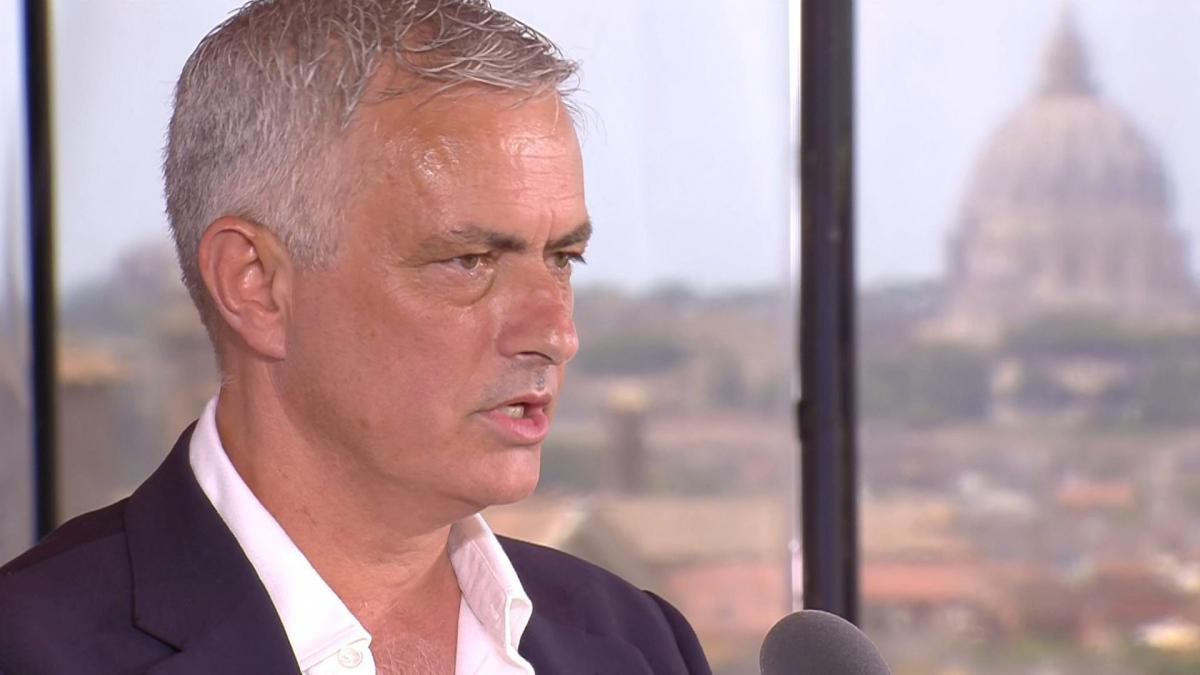
José Mourinho’s Departure from Fenerbahçe: A Costly Exit
José Mourinho’s recent dismissal from Fenerbahçe has once again put the spotlight on the financial implications of high-profile football management. The Turkish club announced his departure through an official press release, offering thanks for his contributions while hoping for success in the future. This departure, however, comes at a significant financial cost for Fenerbahçe: they are mandated to pay Mourinho an eye-watering 15 million euros, even though his contract was valid until June 2026.
This financial fallout adds to a long list of compensations that Mourinho has garnered over his illustrious and often contentious career. In total, the Portuguese manager has collected around 108.1 million euros in compensation from various clubs throughout his time in football. This substantial figure underscores the value that football clubs assign to Mourinho, even in instances where they have had to part ways prematurely.
Mourinho’s Track Record with Financial Compensation
Mourinho, widely known as the “Special One,” is not alone in this respect. Several other notable coaches have accumulated substantial sums of money when their tenures concluded unceremoniously. Ronald Koeman, for instance, pocketed 11.7 million euros after his departure from FC Barcelona. Similarly, Antonio Conte famously walked away with 30.6 million euros after his exit from Chelsea in 2018.
Other figures in this elite club of high-earning managers include Laurent Blanc, who received 19.8 million euros from Paris Saint-Germain in 2016, and Luiz Felipe Scolari, who took home 15.9 million euros from Chelsea in 2009, just months after he had signed on. These figures illustrate a fascinating trend: elite football managers can leverage their reputations and skills into lucrative contracts, making them some of the best-compensated professionals in their field, even after abrupt exits.
The Price of High Expectations
The high turnover rate of coaches in elite football reflects an environment characterized by intense expectations and immediate results. Clubs often find themselves in situations where they feel the need to make quick decisions, particularly when performance does not meet anticipated standards. The price of such decisions can be substantial, underlining the high stakes involved in football management.
Mourinho’s career has been marked by high expectations. Every club he has managed has had a legacy of success, thereby setting the bar exceptionally high. This also leads to heightened scrutiny, which can make it challenging for even the most experienced coaches to succeed in every managerial stint.
Additionally, investors and fans alike expect immediate returns on their investment, whether in the form of trophies, qualification for European competitions, or overall team performance. When these expectations are not met, clubs are often quick to make changes, sometimes at great financial cost. Mourinho’s dismissal from Fenerbahçe is a case in point; yet another instance where a manager with an extensive resume was unable to meet immediate expectations.
The Impact of Managerial Changes on a Club
While the financial implications are significant, the impact of managerial changes permeates much deeper into a football club. A new manager can shift the team’s strategy, dynamics, and even the club’s identity. The arrival of a prestigious manager like Mourinho could initially provide a boost in morale and prospects, but on the other hand, a swift exit can have the opposite effect, leading to instability and uncertainty among players and coaching staff alike.
Moreover, the potential of a managerial overhaul can provoke fluctuations in player performances, which in turn can affect a club’s season standing, ticket sales, and overall brand value. The timing of such changes can also affect future transfers, as many players prefer to know the direction a club is heading in before committing to long-term contracts.
Conclusion
In the end, Mourinho’s departure from Fenerbahçe underscores both the financial and emotional dimensions of football management that have significant repercussions. While clubs may initially see managers as a solution to enhance performance and achieve goals, the reality is that these decisions can be fraught with complications that extend beyond the pitch. As football evolves, the relationship between clubs and managers will continue to be a complex dance between ambition, expectation, and the ever-looming threat of dismissal. As managers like Mourinho continue to command high compensation packages, clubs must weigh the risks and rewards carefully when they consider making changes at the managerial level.