
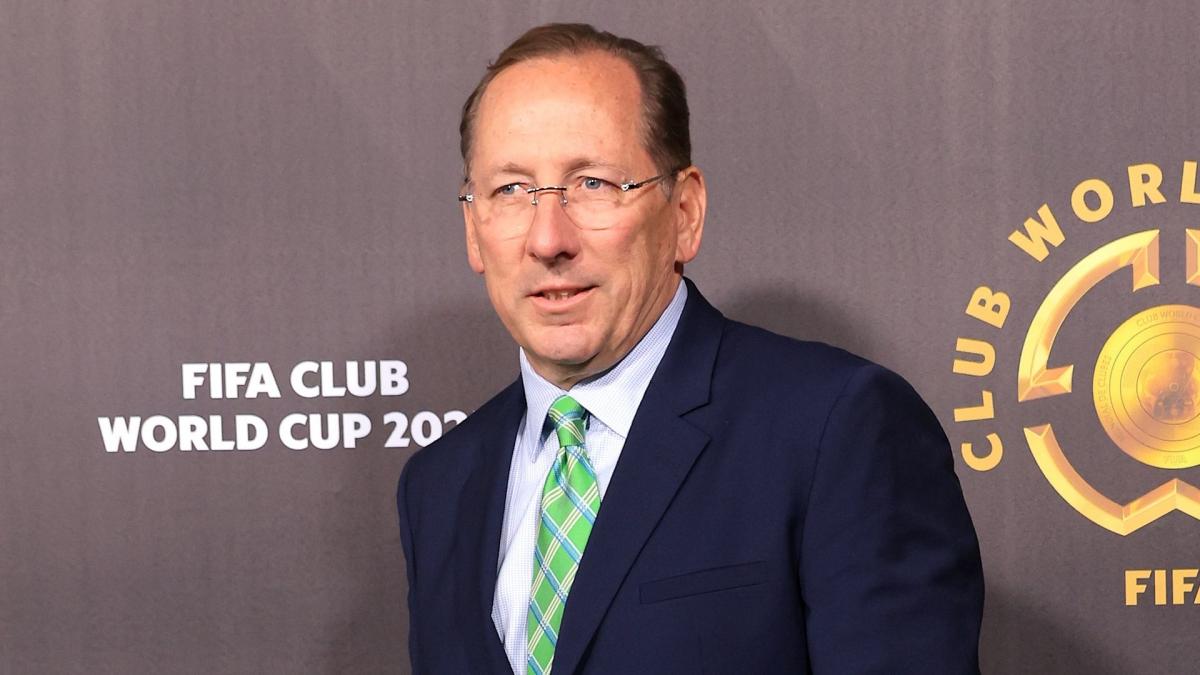
The Controversial Leadership of John Textor at Olympique Lyonnais
The world of football is often a spectacle of glory, passion, and intense rivalry. Yet behind the scenes, the politics and financial intricacies can be just as dramatic. Recently, John Textor, a prominent figure and the head of Eagle Football Holdings, stirred the pot after expressing his discontent with the French football regulatory body, DNCG (Direction Nationale du Contrôle de Gestion).
A Disagreement with Regulations
Textor’s grievances came to light following a statement made by Jean-Michel Mickeler, the president of DNCG. Mickeler criticized Textor for not meeting expectations regarding the financial management of Olympique Lyonnais (OL), a club currently facing relegation due to mounting financial woes. “With the majority of shareholders, we have built a relationship of trust, even if we sometimes have lively and robust discussions,” Mickeler stated, indicating a gradual erosion of confidence in Textor’s management.
In a sharp rebuttal, Textor released a lengthy press statement defending his actions and pointing out the flaws in Mickeler’s reasoning. “A revisionist story to justify the punishment of a community,” he termed Mickeler’s comments, emphasizing the personal nature of the decisions made by the DNCG. The fallout highlights not just the challenges facing OL but also the broader complexities of football administration in France.
A Call for Reforms
Textor didn’t stop at rebuking his critics; he also called for reforms within the DNCG. He proposed replacing the current oversight model with “a set of clear and concise rules, in accordance with universally recognized accounting principles.” This sentiment reflects a desire to align French football governance with the practices observed in more successful leagues, such as the Premier League in England.
His assertions were stark. Textor said relegating OL was “one of the most punitive opinions regarding the Lyon community, largely to serve the protectionist interests of a few and impose a change of management within our club.” This suggests that Textor views the DNCG’s actions as more about self-preservation and less about the well-being of the clubs involved.
Departure and Accountability
Textor’s tenure at Olympique Lyonnais has been fraught with challenges. In another significant revelation, he clarified the circumstances surrounding his departure from the leadership of OL. “I was not dismissed; I resigned for the club’s good because the message was clear,” he explained. This defense paints a picture of a leader who felt compelled to step down due to internal politics rather than alleged incompetence.
Textor’s remarks about his shareholders indicate that he believes there was strong support from those financially backing the club. “I had promised that the shareholders of Eagle would always be able to support us, as demonstrated by their letters of commitment,” he stated. Ultimately, his assertion that “this promise was made, and Eagle Football Holdings financed the promised funds to win” presents an image of a committed investor who was dedicated to saving the club from its precarious situation.
The Broader Implications
The ongoing saga between John Textor and the DNCG has implications that extend beyond OL. It raises questions about the effectiveness of sports governance in France, the balancing act between financial responsibility and competitive integrity, and how clubs are held accountable for their financial decisions.
As the football landscape continues to evolve, the scrutiny on financial practices will likely intensify, especially with clubs facing relegation. Textor’s candid remarks may resonate with other club owners and stakeholders who feel similarly constrained by existing regulations.
What Lies Ahead for Olympique Lyonnais?
The future of Olympique Lyonnais remains uncertain. A relegation can irreparably damage a club’s financial position, fanbase, and reputation. The community surrounding OL is deeply passionate, and there is a shared fear of what relegation might mean for their beloved team.
Textor’s proposals for reform could pave a new path for clubs in distress, allowing them some leeway in financial management. However, whether the DNCG or other regulatory bodies will heed these calls for change remains to be seen.
The complexity of football management reflects broader societal themes: the clash between traditional structures and the demands for modern reform. The texts and statements issued in the aftermath of this controversy can serve as a case study for other football clubs facing similar issues of governance and accountability.
In conclusion, the conversation surrounding John Textor and the DNCG has highlighted the intricate relationship between club management, regulatory frameworks, and shareholder interests in football. Both sides have valid points, but the crux remains how this affects the fans, the club’s legacy, and the overall landscape of French football. Only time will tell how this battle impacts the future of Olympique Lyonnais and potentially inspires sweeping changes across the league’s governance.