
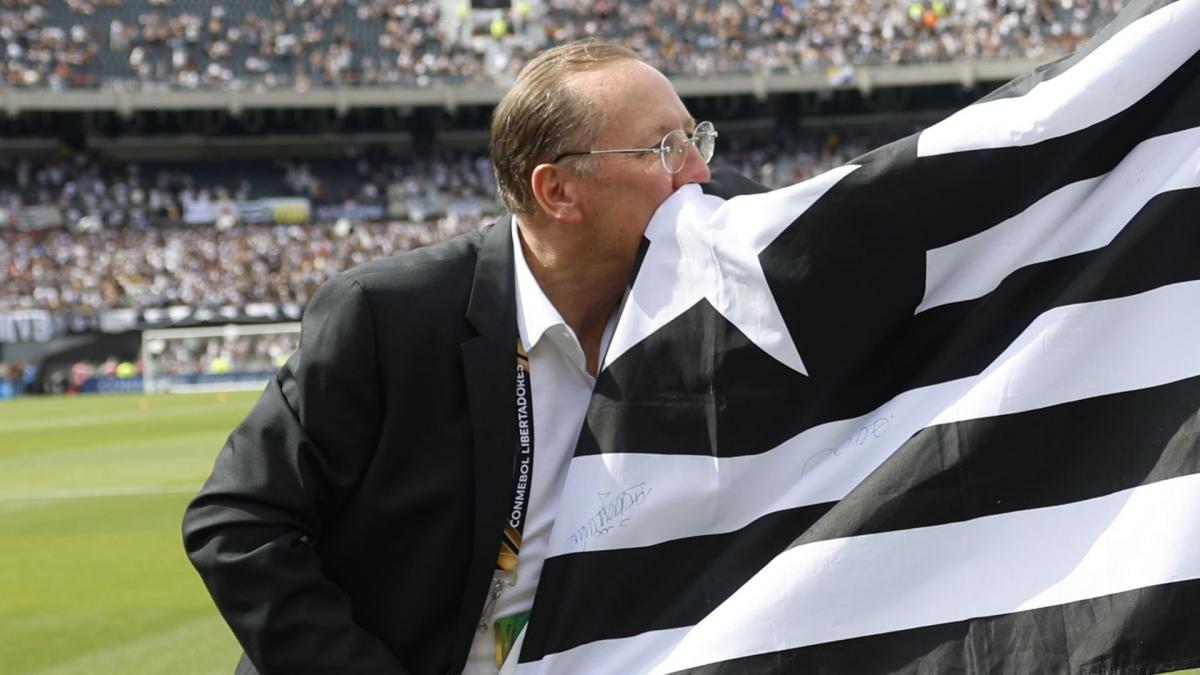
Rising Tensions: The Eagle Football and Botafogo Conflict
The ongoing dispute between Eagle Football Holdings and the Sociedade Anônima do Futebol (SAF) of Botafogo is pushing boundaries and unraveling complex legalities. The shareholder conflict has escalated, particularly focused on accusations regarding the conduct of John Textor , the owner of Botafogo. Issues arose from an extraordinary general meeting and the board of directors’ meeting held on July 17, 2025 . Allegations include Textor’s actions to link the club’s revenue to a company he formed in the Cayman Islands , leading to a dilution of Eagle’s participation.
In a legal action filed with the 2nd Commercial Court of Rio de Janeiro , Eagle requests immediate suspension of the effects from these meetings, along with subsequent transactions. They also seek to prohibit the issuance of new shares, entering contracts related to Textor, and making strategic decisions without the involvement of their independent director, Donald William Mallon . It is claimed that these measures are essential to prevent “irreparable damage” to both Botafogo and Eagle, preserving the status quo until a competent arbitration body can examine the dispute.
Legal Maneuvers and Challenges
Amidst this tension, Judge Marcelo Mondego de Carvalho Lima has determined that the case will proceed without legal secrecy. The accused parties have been summoned to make decisions regarding the jurisdiction of the court and Eagle’s application for an injunction within five days. Textor seems to intensify his strategies to retain control of Botafogo, especially following his controversial exit from Olympique Lyonnais (OL) management and the transfer of shares to Crystal Palace . His actions, including shifting SAF to a new entity based in the Cayman Islands and securing the financial backing of Evangelos Marinakis , highlight his determined quest to retain ownership, even amid resistance from Eagle and the associative club.
The Role of Marinakis in the Situation
In early August, Botafogo Associativo rebuffed four requests by Eagle Football Holdings which sought to restrict Textor’s influence. The club emphasized its desire to retain the right to reclaim control of SAF should Eagle default on financial obligations. According to evidence, several significant investors have expressed interest in taking over SAF; the club is keen to avoid allowing the feud between Textor and Eagle to inhibit this opportunity. Legal experts have posited that regardless of the control wielded by Eagle, the club can potentially reduce the holding company’s share if a breach of contract occurs.
This high-stakes battle is unfolding before the 2nd Commercial Court of Rio de Janeiro . The situation is already tense; a prior ruling from the 3rd Court has frozen Eagle’s shares and mandated the group to disburse 152.55 million reais (approximately €27 million ) to Botafogo, which has momentarily allowed Textor to maintain leadership. Additionally, a loan of $1 million from the Greek businessman Evangelos Marinakis to Textor signifies a strategic shift; the loan was intended to sever Botafogo from Eagle by re-establishing SAF within a new Cayman Islands entity. This convertible loan could position Marinakis as the legal owner of SAF if Textor fails to repay, intricately complicating the conflict concerning the club’s control and finances. Being a close associate, Textor would ostensibly still hold influence through Marinakis.
Impact on Botafogo’s Future
The ongoing dispute presents significant implications for the future of Botafogo. With heavy financial stakes involved and the potential for major investors waiting on the sidelines, the urgency to resolve this internal conflict is paramount. Observers are acutely interested in how this saga unfolds, as both sides seem unwilling to yield ground. The position Botafogo finds itself in could drastically shift, depending on the outcome of this legal battle. Investors and fans alike are holding their breath, awaiting news on the club’s future and the ramifications of this conflict.
This unfolding drama encapsulates not only the challenges facing Botafogo but also highlights the broader issues that can arise when business interests conflict in the complex world of sports ownership. The actions taken by Textor and Eagle could redefine the landscape of Brazilian football and set a precedent for how partnerships are managed in the future. Whatever the outcome, the stakes for all parties involved are undeniably high, making it a story worth following closely.