
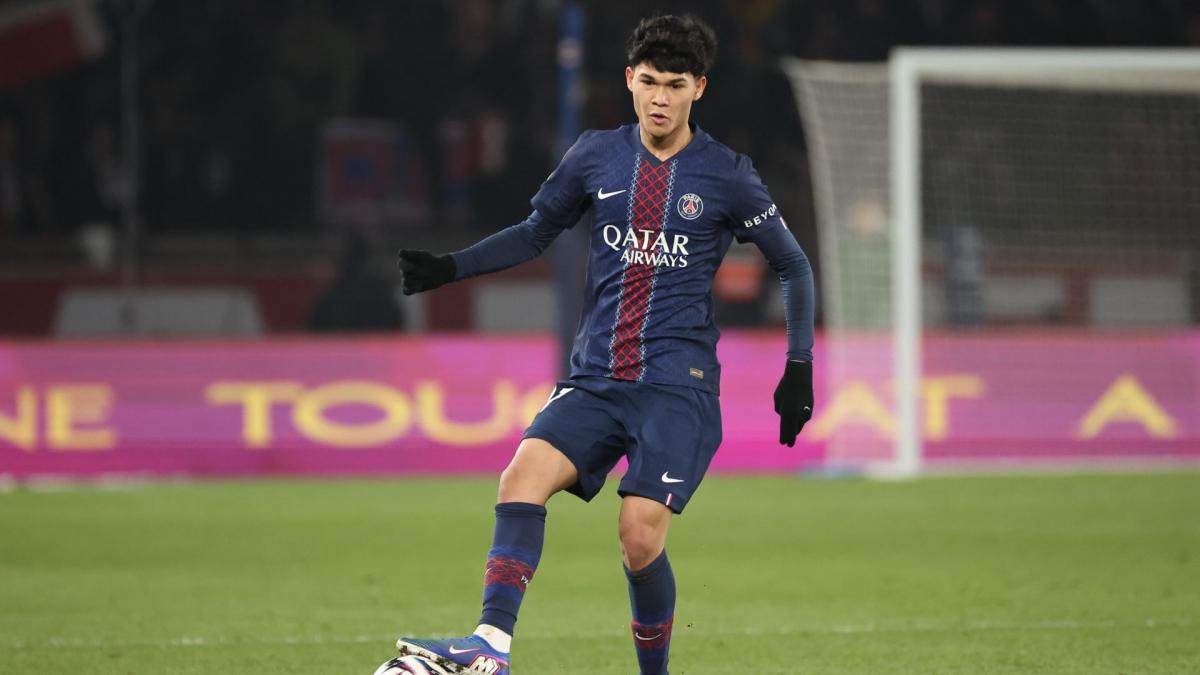
Joan Laporta’s Accusations: A Fallout Over Dro Fernandez’s Departure
Joan Laporta, the current president of FC Barcelona and candidate for re-election, has been vocal in recent media appearances, intensifying discussions surrounding his leadership and accountability. His remarks have particularly focused on the controversial transfer of Dro Fernandez, who recently made the move from Barcelona to Paris Saint-Germain.
A Bakdrop of Controversy
In his latest interview with Jijantes, Laporta addressed various club developments, including future Camp Nou renovations and ongoing legal issues linked to the Negreira affair. His comments aimed not only to assure supporters but also to address what he views as slander against the club. “We hope that the judge will acquit Barça and that those who slandered Barça will face their responsibilities,” Laporta asserted.
His comments came at a pivotal time for the club, as the transfer window is closing, stirring debates about Barcelona’s current squad and strategic plans. Notably, Laporta touched on the Marcus Rashford situation, expressing optimism about the player’s integration into the team. However, he was less diplomatic regarding a rival candidate’s transfer pursuits.
Dro Fernandez: The Betrayal
The most significant portion of Laporta’s comments focused on Dro Fernandez. The 18-year-old talent was seen as a promising figure for Barcelona, having been acquired for €8 million. Now, Laporta describes Dro’s decision to join PSG as a “betrayal” instigated by his agent, Ivan de la Peña. This accusation is particularly poignant given that de la Peña also manages Luis Enrique, adding layers of complexity to the transfer relationship.
“Dro’s departure is a betrayal on the part of his agent… It was a shame and a stab in the back,” Laporta lamented. He continues to stress that with a different agent, specifically Jorge Mendes, the situation would have concluded differently, ensuring Dro’s retention at the club.
Implications and Reactions
Laporta’s strong words reflect his deeper concerns not only about Dro Fernandez’s talent but also about the implications for Barcelona’s youth strategy. His failure to keep key players like Dro poses challenges to his presidential bid. The fallout from the transfer might haunt his campaign, as fans often hold leadership accountable for player retention and development.
Moreover, Laporta ensured that his disappointment extends to Hansi Flick, noting that the coach had provided significant opportunities to Dro, despite the potential alternative contributions from other players. This creates an intricate web of disappointment that could impact team morale and future recruitment.
Conclusion: A Season of Challenges
As Laporta rallies support and navigates a sea of accusations, his comments about Dro Fernandez serve as a critical focal point. The political landscape within FC Barcelona’s future leadership is becoming increasingly polarized, heightening the stakes not just for Laporta, but for the club as a whole. This turbulent period will likely shape the narrative around FC Barcelona for years to come, as they strive to rebuild and reclaim their status in European football.