
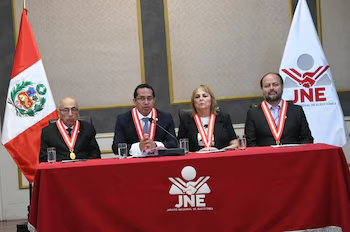
JNE Sets Mandatory In-Person Debates
The National Election Jury (JNE) has confirmed that in-person attendance at the upcoming presidential debates will be mandatory for all candidates. This directive aims to create equal conditions for participation, stated JNE president Jorge Luis Salas Arenas Burneo. He emphasized, “Participation will be in person for all candidates to guarantee equality in the debate conditions.”
Exclusions and Candidate Participation
One significant case to note is that of Vladimir Cerrón, the candidate from Perú Libre. Due to his judicial status, he will be automatically excluded from this in-person dynamic. Meanwhile, the electoral body has extended invitations to 36 political organizations, with 30 to 31 already confirming their attendance, highlighting a robust participation expectation. The presence of international media and foreign observers will help ensure transparency throughout the process.
Another attention-grabbing situation involves the passing of candidate Napoleón Becerra. His recent death is still under review by the Special Electoral Jury, and depending on the outcome, one of his vice presidents may take his place during the debate. The JNE hall also plans to incorporate between 70 and 80 citizen questions daily, enhancing participatory engagement.
Recent surveys indicate that Keiko Fujimori and Rafael López Aliaga are leading the polls, with Jorge Nieto gaining traction. This increasing competition adds pressure leading up to the debates.
Electoral Debates: Key Dates and Rules
The JNE has laid out a structure for the debates, consisting of six sessions organized into two stages. The first will be held from March 23 to 25, and the second from March 30 to April 1. Each day will showcase twelve candidates divided into groups of three through a lottery system, promoting fairness.
Goals and Broadcasting Details
The primary objective of this format is to ensure equity among the candidates and avoid repetitive interactions between the same participants. All debates will be broadcast in prime time at 8:00 PM via JNE Media, without interruptions for electoral advertising.
It’s crucial to note that participation is exclusively for the main candidates, barring substitutes or representatives. This measure serves to reinforce the direct accountability of candidates and elevate transparency regarding their proposals and intentions.
Where to Watch the First JNE Presidential Debate
The inaugural debate for the 2026 General Elections will unfold at the Lima Convention Center, featuring key presidential candidates. The event marks the beginning of a crucial campaign phase, with sessions set to commence at 8:00 PM. Citizens can follow the proceedings live on television and digital platforms.
Scheduling and Importance
These debates hold heightened significance amidst Peru’s ongoing political crisis. Starting March 23, voters will have the opportunity to engage with candidates’ proposals and assess their options before casting their votes on April 12. These sessions will enable a comparative evaluation of candidates as they vie for the presidency.
Conclusion
The strategic implementation of mandatory in-person debates by the JNE not only aims to create a level playing field among candidates but also serves to engage the electorate more explicitly. As Peru’s political landscape continues to evolve, these debates will be pivotal in shaping public opinion and influencing the eventual outcome of the elections.