
Actualizado
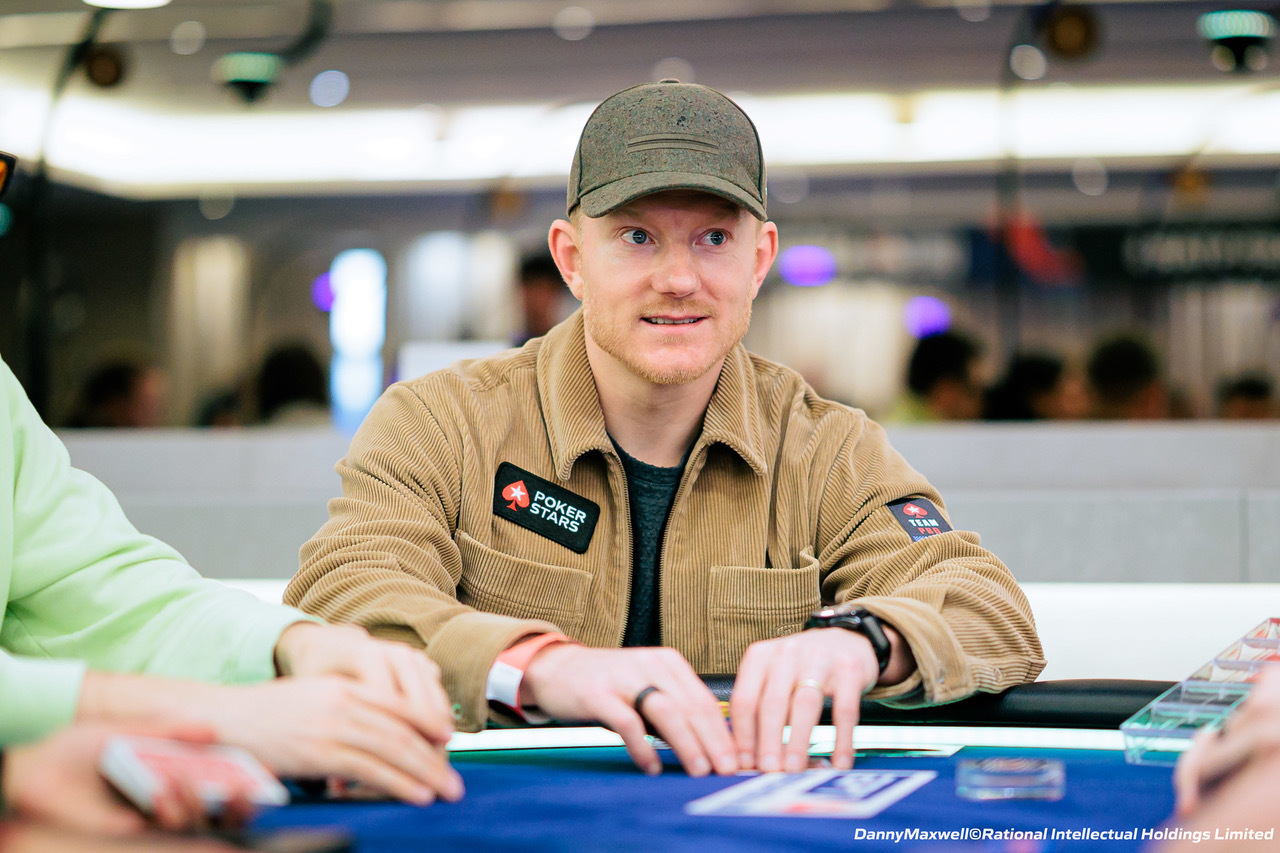
Jason Koon is one of the biggest stars in the world of poker. The 39-year-old American from Weston, Virginia, ranks fifth in lifetime earnings in live tournaments, with over $60 million accumulated (approximately 54 million euros). Koon grew up on a farm and initially had his sights set on athletics, but a hip injury led him to discover the world of poker. It was not a mistake; the game became an essential outlet for him. Coming from a family grappling with poverty, the real challenge was his drug-addicted and violent father. Accustomed to pressure, he now handles high-stakes games and demanding tournaments, such as the European Poker Tour in Monte Carlo, with relative ease. During a break in the action, he granted this exclusive interview as an ambassador for PokerStars.
The Secret to Success
- With a player who has earned so much money, what is the secret?
- “I’ll give you the long answer. There are so many necessary elements… The main one, regardless of your level of talent, is perseverance . You need to accept things that are beyond your control. Poker does not reward short-term results. You cannot judge whether you are good or bad based on the results of a week, a month, or even a year. This is my 20th year as a player and my 17th as a professional. For younger players, it’s essential not to burn out. If things are going poorly, take a deep breath, give yourself two days, and come back. Perseverance is key. Of course, a certain natural skill is needed, but that can vary greatly. I’ve seen analytical players succeed, as well as artistic and social types. My secret has been surrounding myself with people better than me for two decades. I keep learning and learning with an open mind. This game thrives on that, as the problems are so complex that no one knows the true answer.”
- Does studying finance influence your play style?
- “Honestly, I don’t remember much from those studies anymore. I used to go to class but was more focused on my laptop. One day I told my professors, ‘Look, it’s not that I have a problem; I’m making money.’ I showed them how my account was growing week by week. They supported me, and that analytical thinking has benefitted me. Many talented players go broke just because they can’t handle the business side. For me, it helped lay the foundation.”
- Can anyone be a good player?
- “Absolutely not. Most people couldn’t. Everyone can learn to play and enjoy it, but to be great… If you look at any expensive tournament, we’re very rare individuals, myself included. To play at the highest levels, you must be obsessed. It has to be the only thing that matters in the world to you. In my twenties, I only thought about poker. I know others at my level are the same. Most people wouldn’t handle that level of obsession, nor should they. It’s not the healthiest way to live.”
PokerStars
Balancing Life and Poker
- Is your goal to be number one?
- “That number is arbitrary because the biggest winner is simply the person who plays the most tournaments. I try to maintain balance. I have two kids and a fantastic marriage. Being a good father and husband is my number one priority. I also want to work hard and mentor others, but I don’t think I’ll ever be number one unless I win some massive tournament. I compete to be the best version of myself. One day, I want to look back and feel proud.”
- You once stated that you were never as happy as when you were on the farm fishing. Is that true? Will you plan for such a retirement?
- “It’s true. My ultimate goal is to have a massive piece of land, hundreds of acres, where my kids and I can live freely, break things, fish, and do what we want. I feel that deep in my soul; I need the outdoors, the nature. I want my children to grow up that way.”
- Could you have excelled in other areas? Do you ever regret your path?
- “No. I’m very good at keeping an open mind and am ready to pivot, which has been immensely beneficial in my career. I’ve earned a lot of money that way. I haven’t pursued another career because I haven’t wanted to. Playing was never just my job. When I stop, I believe I’ll have the courage to move on.”
- For a consistently winning player, what does it mean to be a brand ambassador?
- “I opened my first account with PokerStars about 20 or 21 years ago. I still have a message I sent them: ‘Hey, the internet went down when I was playing a $2 tournament. Can you please refund me?’ The first big tournament I won was with PokerStars. I paid $11, faced over 20,000 participants, and took home $30,000. That’s how I started my bankroll when I was in college. I’ve returned to where I started. It’s an honor, and I hope to represent them well.”
Understanding Poker Limits
- Does a player’s life depend too much on luck?
- “Life, in general, depends a lot on luck. I’ve had excessive success. Poker helps you think about your goals, and I’ve been very fortunate with my results. I know that if I could see a thousand versions of my life, the one I have is among the best. One day I mentioned to Phil Ivey how lucky we are because we’ve both been through tough times. He says life should be taken with grace, and I try to do that every day, knowing I’ve worked very hard and made some good decisions, even though I’ve also made mistakes.”
- What kind of mistakes?
- “At the beginning, every decision I made was a mistake, basically. I lost my bankroll several times. The first time, at 22 years old, I had gathered $700,000. That’s a lot of money for a young kid, or anyone, really. I went from $700,000 to zero overnight and learned my lesson. I made more mistakes afterward, but not as severe.”
- Can poker skills help you outside the table?
- “Yes, I believe I am a very empathetic person, which allows me to read others better. I have deep connections with people, and I think my assessments are very accurate, but sometimes I trust too much and make mistakes, just like in poker. You can’t always rely on your instinct, which is why it’s important to have a foundation.”
- To what extent does the game test your physical and mental strength?
- “On the mental limits, just yesterday I played for 14 hours, which is why we had to postpone this interview. I needed sleep; I was exhausted. In Macau, I sometimes played for two days straight. That takes a toll and affects my physical health. I wouldn’t consider poker a sport, but it’s an absolute test of will, courage, and physical and mental endurance.”
- You come from an underprivileged background. Do you ever feel bad for having so much money when others struggle to survive?
- “Absolutely, I feel that all the time because I was born poor. My mother, my brother, my sister, and I were homeless for some time. I was the first in my family to go to college. My father died from a drug addiction, and my sister is an addict. That struggle is my home, and I understand it. I don’t take things for granted, and I fight to enrich the lives of those around me. I’m not sure if I feel ashamed of having money, but I am aware of how fortunate I am and the responsibilities that privilege carries.”
- When you win so much, does it diminish your sense of the value of money when you buy simple things?
- “Good question. The first time I made a lot of money, I saw myself as more valuable because I could buy things I never had. I did that, and it didn’t change anything. If anything, my life became more complicated. You discover that life isn’t about things; it’s about people and experiences. You realize that material things are meaningless. I’d like to tell young people that money is valuable for the time it gives you and the freedom it provides.”
- What do you think of Adrián Mateos and other Spanish players?
- “I know Adrián very, very well. We are good friends, as well as Juan Pardo. Adrián is one of the best of all time. Many talented people don’t work hard, but he does, and he loves the game. He wants to win and has tremendous talent. He is brave. If he continues this way, I believe he has a chance to be, by the end of his career, the best poker player in history.”
General News – 2