
The Shift from Apple Watch to Fitbit Air: A Personal Journey
After years of using an Apple Watch, it was time for a change. The new Fitbit Air launch caught my attention and, given its promotional price of 99 euros along with a 45-euro balance for accessories, I decided to make the switch. Why? Because this product is exactly what I’ve been waiting for.
A Screen-Free Experience
In my case, as a daily practitioner of crossfit, I have found traditional smartwatches to be incompatible with my workout routine. Movements that involve bars or kettlebells often lead to unwanted contact with my wrist. Who wants an Apple Watch Ultra getting smashed by a 32-kilo lift?
The Fitbit Air offers a compelling alternative: a smart device without a screen. This addresses my need for health tracking without the distraction of notifications and alerts. It’s a win-win; I can focus on my workouts without the fear of damaging my watch.
Alternatives and Why Fitbit Air Stands Out
Critics may argue that Google hasn’t reinvented the wheel. Brands like Whoop and the newly launched Polar have their own non-screen wearables. Whoop, however, requires an annual membership of at least 199 euros, which can be a dealbreaker for many potential users. Meanwhile, Amazfit offers its Helio Strap at a comparable price but falls short due to its bulky design resembling a smartwatch.
Google has successfully positioned Fitbit Air as a hybrid; it combines the simplicity of a fitness tracker with the essential features of a smart device—all for an accessible price point of 99 euros. Given Fitbit’s solid reputation in the wearables market, I anticipate high-quality measurement sensors.
The Appeal of Digital Disconnection
One of my goals over the past two years has been to embrace digital disconnection. Often, individuals purchase smartwatches intending to reduce their dependence on mobile phones, only to find themselves constantly checking notifications. By removing the screen entirely, the Fitbit Air eliminates this distraction. It’s just a device that quietly tracks my vitals in the background.
Subscription-Free Functionality
Another selling point is the absence of mandatory subscription services. Google has created a flexible model for Fitbit that offers both a free baseline option and a paid premium tier. Users can access essential functions without paying extra, and subscription features are entirely optional.
For users who do opt for the premium service priced at 8.99 euros per month, the expanded features include personalized activity plans and advanced sleep tracking, but these are not essential for enjoying the basics.
A Powerful App Experience
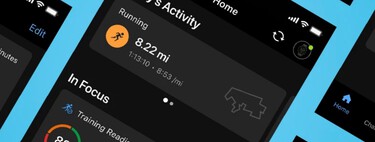
The Fitbit app has been rebranded as Google Health, signaling a serious commitment from Google to enhance its user experience. After acquiring Fitbit for a staggering $2.1 billion, Google is integrating all health data within this app, significantly improving functionality compared to its predecessor.
Conclusion
In summary, the Fitbit Air is an economical and functional alternative that allows me to forget I’m wearing a smartwatch. Rather than distracting me, it serves its purpose discreetly, with data available for review only when I choose. This is the smart wearable I’ve been waiting for.