
A few years ago, we lived happily with 60 Hz refresh screens. They felt fluid and fast, meeting our needs. However, the introduction of 120 Hz panels has changed everything—once you experience them, there’s no turning back.
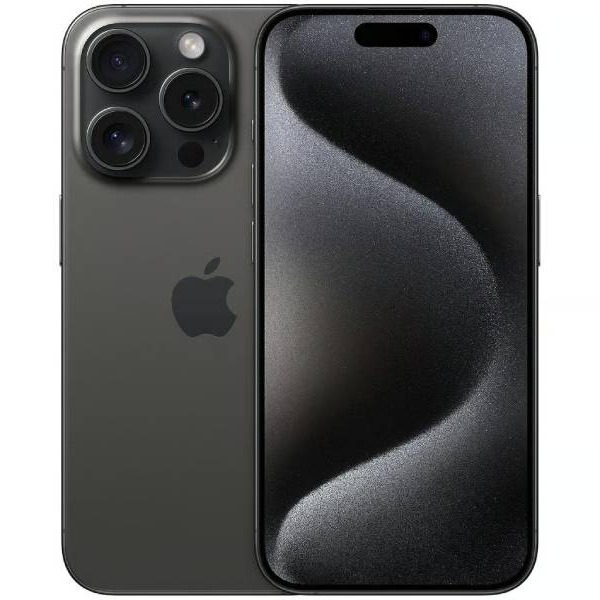
Having used the iPhone 15 Pro, which boasts a ProMotion display at 120Hz, I’ve reflected on whether this high refresh rate is genuinely beneficial or merely a marketing ploy. The answer is unequivocal: once you experience the smoothness of a 120 Hz screen, using a standard 60 Hz display feels sluggish.
Understanding the Impact of 120 Hz
The best way to comprehend the difference a 120 Hz refresh rate makes is not by studying the iPhone 15 Pro in isolation but by comparing it with devices equipped with lower refresh rates.
Using the iPhone 15 Pro, you’ll notice an incredible fluidity—the animations on iOS feel liquid-like. However, the real eye-opener occurs when you switch to a standard iPhone 15 or another 60 Hz phone. Suddenly, you perceive choppiness and delayed responses, giving the illusion that these devices are slow. In reality, your brain adapts quickly to the increased frame rates, making lower refresh rates feel dated.
The Importance of Touch Sampling Rate
While 120 Hz primarily addresses visual latency, it’s crucial to differentiate between fluency and response time. The visual smoothness stems from the refresh rate, but the touch sampling rate—typically 240 Hz or more—affects how quickly your device reacts to your touch. A higher touch sampling rate ensures that the action on-screen happens almost instantaneously after you tap the display, making controls feel more responsive.
Battery Life Concerns with High Refresh Rates
I was initially apprehensive that a high-refresh display would lead to battery drain, but that fear proved unfounded. The iPhone 15 Pro utilizes an adaptive refresh rate. This technology allows the device to intelligently optimize the refresh rate based on what you’re doing, conserving battery life in the process.
But what does LTPO mean? It stands for Low Temperature Polycrystalline Oxide, a technology that makes the display dynamic. Thanks to LTPO, the refresh rate can drop to as low as 1 Hz when displaying static images, significantly improving battery life. This adaptability means the display operates like a ladder with various rungs, adjusting dynamically based on the task—whether you’re watching a video, scrolling, or gaming.
Key Scenarios Benefitting from 120 Hz
While I am not an avid mobile gamer or a heavy user of photo/video editing, I frequently browse social media, check emails, send messages, and take photos. I’ve identified two primary scenarios where the ProMotion screen truly excels:
- Social Media and Web Browsing: Scrolling through feeds at 120 Hz transforms your experience; everything flows seamlessly, and even text remains readable while moving. In contrast, a 60 Hz screen may feel frustratingly slower.
- Watching Series and Movies: The ProMotion display also enhances your viewing experience. Unlike Android devices that match frame rates directly with refresh rates, the iPhone’s LTPO feature harmonizes the refresh rate with the content, resulting in a stable visual experience. Occasionally, you might encounter minor visual stutters from apps struggling to sync correctly, but this is not a downside of the display itself.
Is Investing in an Adaptive Refresh Rate Worth It?
If you’re upgrading from a basic phone to something like the iPhone 15 Pro, the investment is absolutely justified. It might seem like a subtle upgrade, but once you’ve experienced the smoothness of a 120 Hz display, reverting to a 60 Hz device will highlight everything you’ve been missing.
Other Mobile Phones with Adaptive Screens
The iPhone 15 Pro isn’t the only smartphone with adaptive screens. Here are a few other noteworthy models:
- Samsung Galaxy S26 Ultra: This model features a fourth-generation LTPO panel, offering intelligent energy management and capable of going as low as 0.1 Hz.
- Google Pixel 10: This model uses an adaptive panel oscillating between 60 and 120 Hz, focusing on fluidity in daily use.
Some links in this article are affiliate links that may provide a benefit to our site. Offers may vary based on availability.