
Recently, while working at my desk, I found myself staring at three pairs of headphones scattered around: my coffee cup, phone, camera, and an unexpected trio of headphones. This prompted me to think, “When did I start using three different headphones?” As a tech enthusiast who often reviews gadgets, owning multiple models for reference is normal for me. However, this felt excessive.
Upon reflection, I realized I used the Huawei FreeBuds Pro 5 for outdoor activities, the Soundcore AeroFit 2 Pro for work without isolating myself, and the JBL Tour One M3 for an upcoming trip. It was chaotic but made sense in its own way. Still, it left me pondering whether this was just my personal quirk or part of a growing trend of using multiple headphones for different situations.
Not knowing the answer, I flew to Amsterdam to chat with Mikael Herje, Global Headphones Director at JBL. After our talk, I was relieved to find out I’m not alone in this headphone habit.
What’s Happening in the Headphone Market?
The COVID-19 pandemic brought a huge surge in headphone sales, with many people seeking noise-canceling options for comfortable remote work. Six years later, it’s worth examining whether the headphone market has evolved or stagnated.
According to Herje, subtle trends have been developing. He pointed out that wired in-ear headphones made a comeback last year. Interestingly, high-end headphones are also on the rise, with consumers spending more on over-ear models than before. JBL aims to tap into this growing high-end segment.
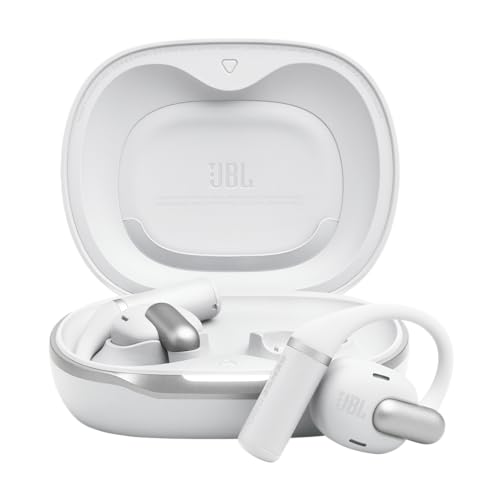
A new format that’s gaining traction is the Open Form headphones. While not common in Europe or Spain, they’re quite popular in China and the USA—examples include the JBL Sense Pro and Huawei FreeClip 2. Herje notes this format is quickly being adopted, contrary to expectations.
“Interestingly, this format isn’t stealing market share from traditional headphones because it caters to specific use cases,” he explains. He believes we are moving towards a future where individuals will have specific headphones suited for every occasion.
JBL Sense Pro Open-Ear True Wireless Headphones – Up to 38 Hours of Battery, IP54 Water and Dust Resistance.
Prices may vary. We earn commission from these links.
“This is what’s happening. Specific headphones for daily use, workout, or casual listening expand our usage possibilities,” states Herje, although he cautions that Open Form headphones are not ideal for noisy environments like airplanes.
Ultimately, the trend of using multiple headphones to fit different contexts isn’t just my experience—it’s a growing movement reflecting a shift from audio devices to lifestyle gadgets.
The Rise of Premium Headphones
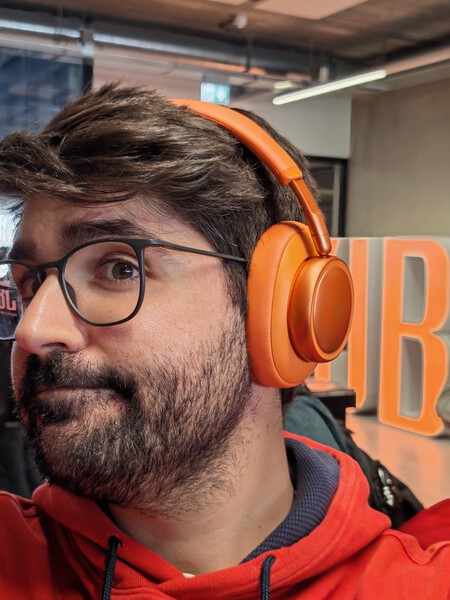
JBL Live 780NC | Image: Xataka
According to Herje, companies strive for premiumization—focusing on higher-end products that offer better performance and thus generate higher profit margins. He explains that this shift often comes after users have already purchased multiple models, leading them to seek superior options.
“Purchasing premium headphones isn’t typically someone’s first purchase. The user has usually tried several models first, leading them to aspire for better features. This trend toward higher-end headphones is evident.”
But the audio market is crowded, filled with competitors offering varying degrees of performance at all price points. JBL, like other brands, focuses on customer trust and brand recognition as pivotal when customers make purchasing decisions.
“Our research identifies three key aspects always mentioned: sound quality, trust in the brand, and comfort,” he asserts. While consumers often overlook design in discussions, they certainly appreciate vibrant colors and appealing designs when making choices.
Given the subjective nature of sound quality, purchasing headphones based on looks is a common behavior, as consumers can’t actually hear them before buying. Thus, JBL emphasizes eye-catching designs to attract potential buyers.
In terms of format, headphones have limited innovations. Developing new features is complex, yet there’s potential for increased connectivity across multiple devices, which Herje finds encouraging.
High-End Headphones vs. Compressed Music Streaming
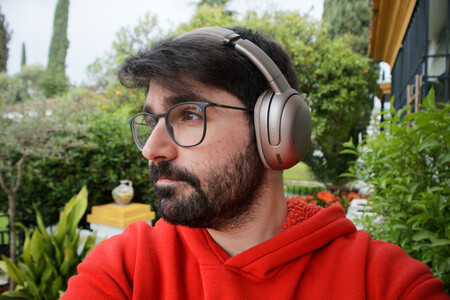
JBL Tour One M3 | Image: Xataka
As I wrapped up my conversation with Mikael, I pointed out an intriguing paradox: we possess top-notch audio hardware, yet we often stream compressed music over Bluetooth. This dichotomy raises questions about how we appreciate sound.
Compression, as explained by Mikael, is akin to dismantling furniture for a move. Basic codecs can lead to loss in audio details, while advanced codecs provide better preservation but may present limitations in crowded spaces.
To fully enjoy high-quality audio, a wired connection remains the ideal choice. However, JBL’s latest models offer both wireless and wired options to provide consumers with flexibility.
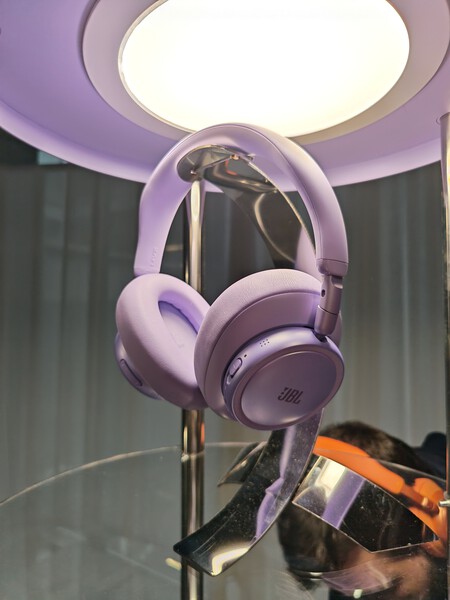
JBL Live 780NC in Lilac | Image: Xataka
According to Herje, enhancing consumer awareness about different codecs will help bridge the gap between hardware and audio quality. Understanding the range of options available, consumers can enjoy their experiences better.
In conclusion, audio quality has improved significantly over recent years, though education about the technology remains vital for new consumers. JBL aims to be part of this educational journey, positioning itself as a reliable choice for audiophiles and casual listeners alike.
“The content is available. We just need to explore it!”
As Herje stated, “Even music quality has seen substantial enhancement compared to five years ago.” This recognition speaks to JBL’s aspiration to accommodate varied customer expectations throughout their headphone journey.