
I’ve been sleeping for years struggling with various issues. The classic culprits are discarded: I don’t consume late meals or eat copiously, I avoid alcohol and caffeine, I maintain a regular sports routine, and I limit mobile phone use just before bed. Yet, I still find it difficult to fall asleep and often awaken several times throughout the night.
In my quest for a solution, I decided to try something innovative: sleep headphones . This concept is gaining traction among various manufacturers, piquing my interest even further.
In this review, I will focus on the Anker Soundcore Sleep A20 headphones. Let’s discover how they perform.
What They Are and What They Promise
The Soundcore Sleep A20 are wireless headphones specifically designed to enhance your sleep experience.
- Compact Size : Their smaller design instantly catches the eye.
- Lightweight : They are incredibly lightweight, making them comfortable for overnight use.
- Low Profile : The low-profile design ensures they remain inconspicuous during wear.
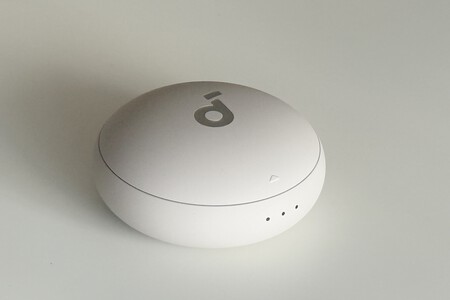
The closed box. Image: Xataka.
They also come with multiple silicone tips and “wings” for a customizable fit—an essential feature for anyone planning to wear them for extended periods during the night.
Their functionality extends beyond that of typical headphones: the accompanying app features several environmental sounds, sleep monitoring, and specific functions tailored for nighttime use . The headphones operate in two distinct modes:
- Bluetooth mode to stream music or sounds from your mobile device.
- Sleep mode featuring preloaded sounds directly from the headphones.
The Experiment
My first night with the headphones was an adjustment period . I had never attempted to sleep with headphones before, especially as a side sleeper. It seemed implausible that they wouldn’t bother me. However, surprisingly, I almost immediately forgot I was wearing them .
The flat design, along with the soft and flexible material, created minimal pressure, allowing for a zero discomfort experience .
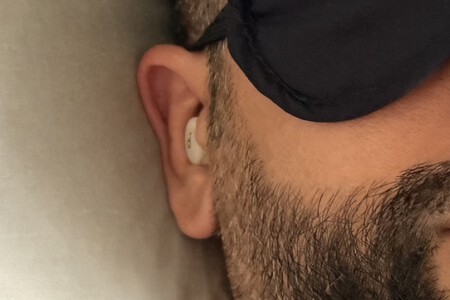
They stand out practically nothing. Image: Xataka.
Then came the challenge of listening . Eager to explore the app’s offerings, I delved into their specially crafted “brain wave” audio tracks designed to lull users into sleep.
Users can select options to play these sounds either for a limited time, until they fall asleep, or throughout the entire night. I attempted all three methods:
- Limited Time : This worked seamlessly, stopping playback precisely when I set it.
- Until I Fall Asleep : This also functioned as promised, detecting when I drifted into slumber.
- All Night : Here, I encountered issues. The constant sound interrupted my sleep a couple of times.
Individual preferences greatly impact this, and while some may thrive with continuous sound, I learned to set the timer generously to prevent unwanted disturbances.
The Yay and the Nay
The Soundcore Sleep A20 excels in several areas:
- Exceptional Comfort : They never proved bothersome, remaining unnoticeable even for side sleepers.
- Solid Battery Life : With up to 14 hours of operation in sleep mode, I was impressed. After seven hours, I still had around 50% battery left!
- Effective Passive Noise Isolation : Despite lacking active noise cancellation, they offered adequate sound isolation with the right tips.
- Beneficial Sleep Monitoring : The app tracks sleep phases, turns in bed, and positions, providing useful data that aligned closely with my Garmin watch results.

Conversely, they falter in some areas:
- Mediocre Audio : Don’t expect audiophile quality. The sound serves its purpose, yet lacks depth and warmth.
- Limited Sound Options : The variety is minimal, and many sounds felt compressed or artificial.
- Flawed App : It inaccurately reported sleep duration, which raises concerns about its effectiveness. The interface also isn’t very intuitive.
- Problematic Touch Controls : It’s easy to unintentionally activate functions in the dark.
The app’s inaccuracies and its failure to recognize my movements during the night proved to be notable drawbacks. I often experienced drastic discrepancies in reported sleep times.
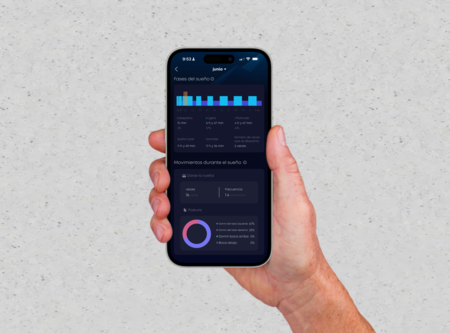
The data collected by the application. Image: Mockuuups Studio, Xataka.
My data indeed confirmed my suspicions: I gravitated more to the side of my bed, which I suspected all along.
The Final Verdict
The fundamental question surrounding these headphones is whether they genuinely enhance sleep quality. In my experience, the answer is no . I noticed no significant difference on nights when I used them compared to those when I didn’t. Despite the scientific groundwork behind the pre-registered sounds, my Garmin sleep data exhibited consistent patterns whether I wore the headphones or not. In fact, my sleep suffered slightly when I attempted to use them throughout the night.
Priced at 150 euros , they aren’t the cheapest option available. However, they cater to a specific audience—those who need auditory stimuli to sleep . For this purpose, they offer superior comfort and minimal disturbance to any bed partner.
Nonetheless, those seeking significant sleep improvement through these headphones may find them lacking. They suit individuals who simply wish to listen to something soothing, rather than relying on them as a miracle solution for chronic sleep disturbances.
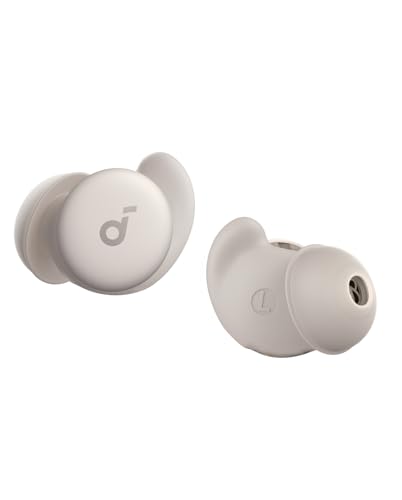
Anker Soundcore Sleep A20, Sleeping headphones with noise block, small design for people who sleep from side, 80 hours of autonomy, Bluetooth 5.3, sleep monitor, personal alarm
In Xataka | Four experts explain what it really is like to have a good night: sleeping “of a pull” is a myth.
Outstanding image | Xataka.
This device has been provided for testing by Anker. For further understanding of our review process and business relationships, please refer to Xataka.