
Ivan Gazidis Defends Saint-Etienne Ultras from Possible Dissolution
Introduction to the Controversy
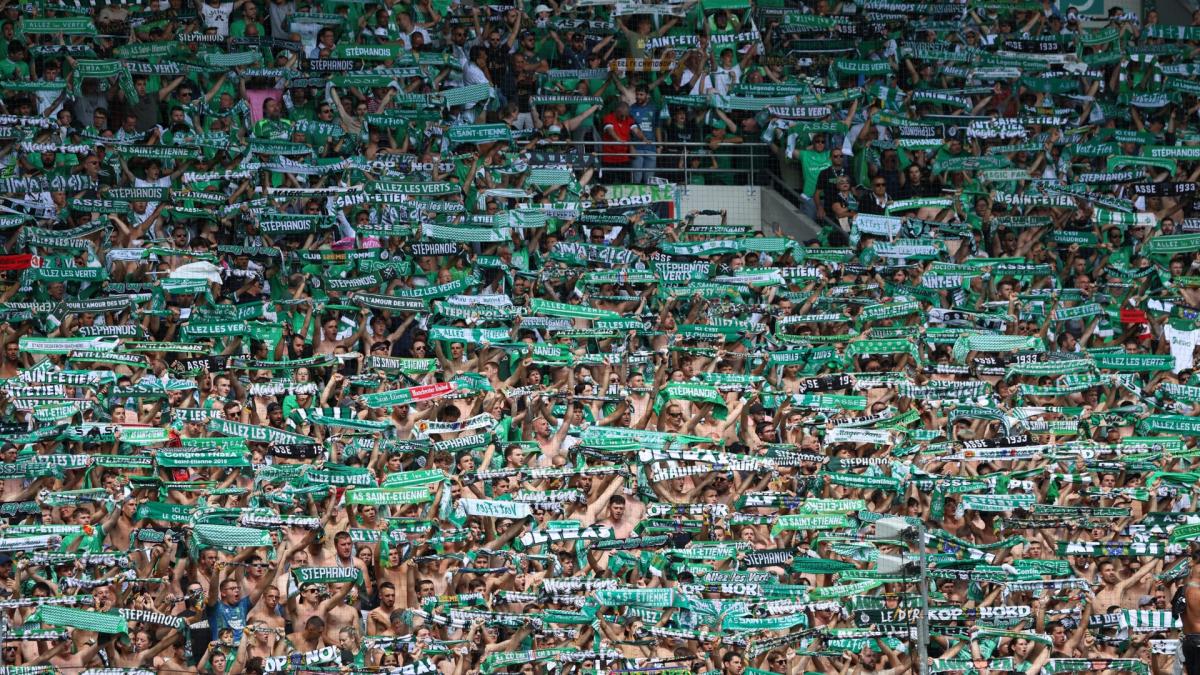
In a bold stance against the potential dissolution of the ultra groups associated with AS Saint-Étienne, President Ivan Gazidis has voiced significant concerns regarding the implications such a move could have on supporter culture and safety at sporting events. The Magic Fans and Green Angels groups, known for their passionate support, were summoned before the National Consultative Commission for the Prevention of Violence during sporting events, sparking a debate that extends beyond mere fan loyalty.
The Role of Ultras in Football
Ultras serve as more than just spectators; they are vital stakeholders in a football club’s identity and community. Gazidis argues that these supporter associations are “structured, identified, and engaged in ongoing dialogue.” He emphasizes their importance in creating a vibrant and engaging atmosphere during matches while also acting as a buffer between the club and potential conflicts that may arise among fans.
Arguments Against Dissolution
In his conversation with La Tribune–Le Progrès, Gazidis highlighted a critical flaw in the proposed dissolution: “It doesn’t make the problems go away.” He believes that rather than eradicating issues related to fan violence, eliminating these groups may simply displace the tensions to less visible and less regulated environments. This could result in an escalation of incidents that would be harder for authorities to manage.
The Risks of Shifting Dynamics
A significant point raised by Gazidis is the risk associated with moving tensions into more clandestine arenas. He warns, “The risk is to shift tensions to less visible spaces, less regulated and more difficult for us all to control.” This statement underscores a fundamental truth about fan culture: eradicating visible discord does not equate to solving the underlying issues.
The Call for Dialogue
Gazidis advocates for maintaining and strengthening channels of dialogue rather than eliminating the frameworks that allow for engagement between supporters and authorities. He asserts, “We do not believe that weakening the frameworks for dialogue and the identified interlocutors is the best way to sustainably strengthen the public space.” In his view, fostering communication may lead to a more harmonious relationship between the club, its supporters, and law enforcement.
Recent Incidents and Public Scrutiny
Public authorities are currently scrutinizing the actions of these supporters following various incidents in Troyes, Dunkirk, and Grenoble. Such situations have heightened the urgency for discussions around fan conduct. While the incidents raise valid concerns about safety, Gazidis places a strong emphasis on the need for a balanced approach that recognizes the role of ultras in promoting club culture and community spirit.
Conclusion
Ivan Gazidis’s defense of the Saint-Etienne ultras illustrates the complexity of managing fan behavior in modern football. Instead of dissolution, he champions a continued commitment to dialogue and engagement as ways to foster a safer, more collaborative football environment. The conversation surrounding the treatment of supporter groups is sure to remain a focal point as clubs navigate the balance between safety and the passion that fuels the beautiful game.