
First Impressions of the iPhone Air: Redefining Lightweight Design
The iPhone Air has arrived, and it might just be the most remarkable iteration of Apple’s smartphone lineup yet. After handling this ultra-thin device, it is clear that it is not just another phone; it is a leap in mobile technology. Weighing in at only 156 grams , the iPhone Air sets a new standard for lightweight smartphones, leading users to wonder how such a compact device can feel so robust.
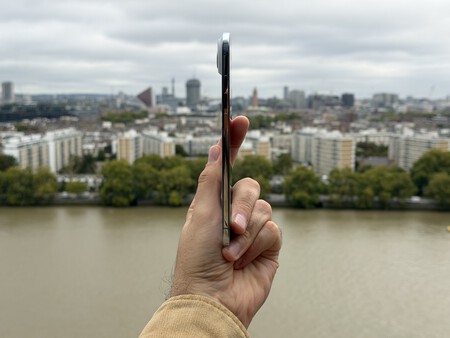
<span>A sleek design highlighting the thinness of the iPhone Air | Image: Xataka</span>Initially, the thought of carrying a phone that feels as light as a feather can spark concerns about its durability. Some users might worry that such a slim profile could compromise sturdiness, but that is far from the truth. Despite its delicate appearance, the iPhone Air feels surprisingly resilient in hand, quelling any fears of potential fragility.
Comfort and Ergonomics: A Smooth User Experience
One of the significant dilemmas in designing thin devices is maintaining ergonomics . Holding the iPhone Air presents a refreshing experience. It fits comfortably in the palm without causing undue strain, even during extended use. Unlike many smartphones that can dig into the hand, this model distributes its weight evenly, proving that form and function can coexist harmoniously.
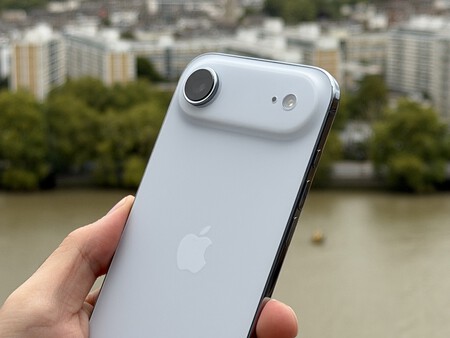
<span>The internal components of the iPhone Air | Image: Xataka</span>The Plateau: A Unique Design Element
The prominent plateau near the top of the phone has generated a lot of discussion as well. This curved protrusion houses the rear camera and a host of other essential components. It showcases Apple’s exceptional ability to miniaturize technology without sacrificing quality. Despite this innovative design, the device sacrifices some battery capacity, an essential aspect that users may find limiting.
Apple acknowledges that the battery life of the iPhone Air is not on par with other models; however, the trade-off in design may very well appeal to a distinct market segment that values stylish aesthetics over stamina. The presence of an ESIM further indicates that the iPhone Air is for those who embrace modern technology and streamlined connectivity.
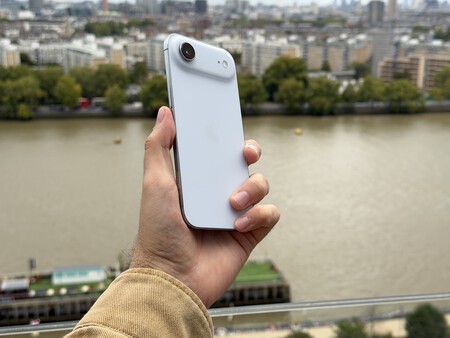
<span>A closer look at the camera setup | Image: Xataka</span>Camera Capabilities: Innovations and Limitations
The camera features a 48-megapixel rear sensor, providing ample resolution for most photography needs. However, Apple has opted for a singular lens setup, lacking telephoto or wide-angle options. This could pose a challenge for users anticipating enhanced versatility in their shots. While the imaging capabilities are impressive, the absence of additional layers may deter users seeking more comprehensive photography features.
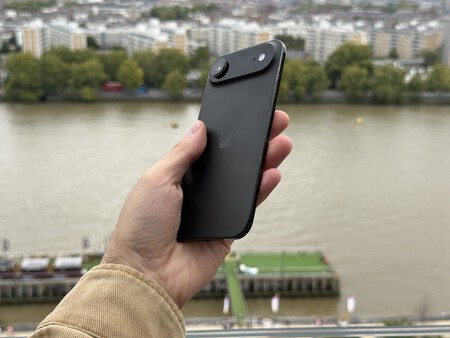
<span>The iconic design of the black iPhone Air | Image: Xataka</span>Conclusion: Setting a New Standard
The iPhone Air symbolizes an exciting venture in Apple’s design philosophy. Its ultra-slim profile and lightweight nature could very well represent the future of mobile devices. While it may not provide the exceptional battery life or camera versatility that some expect, it showcases Apple’s knack for innovation. Having produced a captivating device that resonates with style and technology, the iPhone Air stands poised to attract users who value aesthetics alongside functionality.
Images | Xataka
In Xataka | The total commitment to the ESIM of the iPhone Air has just taken an invoice to Apple: delays reserves in China at the last moment.