
Flames Ravage Ourense: A Double Crisis for the Historic Wine Region
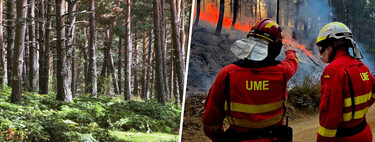
As the saying goes, “The misfortunes never come alone.” The month of August 2025 is poised to prove this adage true as the province of Ourense faces unprecedented challenges. Recently besieged by relentless flames, the region has seen thousands of hectares turned to ash, prompting evacuations and the destruction of numerous properties. The fires have not only devastated homes and farms but also pose a significant threat to one of the province’s most cherished industries: wine production . Alarmingly, voices from the local viticulture community have reported vineyards that are now “completely razed.”
The Severity of the Fires
Ourense is not alone in suffering from this inferno, but its circumstances are particularly dire. Mega fires like Queixa Chandrexa and Larouco have struck, with some claiming that the Larouco blaze is one of the most destructive in Galicia’s history, having already consumed around 20,000 hectares . Overall, the rampant wildfires have burned a staggering 70,000 hectares —a footprint larger than that of Madrid—over the last two weeks.
Wines on the Brink
While the fires have already obliterated homes and livestock, one particular sector watches the flames with bated breath: the wine industry . Ourense is historically rich in viticulture, boasting four distinct Denominations of Origin (DO)—Monterrei, Ribeiro, Valdeorras, and Ribeira Sacra. This robust industry generates not just millions in revenue but also hundreds of jobs . According to the Interprofessional Wine Organization of Spain (OIVE), vineyards are prevalent across 60 of Ourense’s 92 municipalities, contributing to 33.7% of Galicia’s total vineyard area. The dramatic heatwave, however, is raising alarms akin to those experienced in 2022.
The Financial Toll of Ignition
To grasp the emotional and financial stakes involved, consider the candid words of Ernesto Rodríguez , a winemaker from the Monterrei DO. Rodríguez explains that while flames themselves may not directly incinerate vines, the heat can still wreak havoc. “I’ve witnessed vineyards completely razed. It’s not just about the fire reaching them; the heat itself is devastating. When temperatures reach 50 meters near the vines, it ‘cooks’ the grapes, leading to irreparable damage,” he states. Particularly concerning are young vineyards, where the loss could be catastrophic, forcing growers to start anew.
Impacts of the Inferno
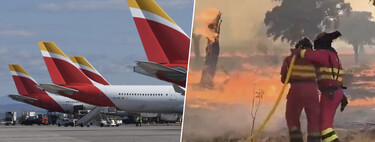
The fires have already devastated critical grape varieties such as Godello and Mencía in municipalities like Oimbra, Laza, and Verín. In neighborhoods like Ace Chás or Rosal, vineyards have been lost alongside other crops. The Valdeorras Regulatory Council indicated that flames crossed from nearby regions, endangering local vineyards. A staggering 65.2% of municipalities in Ourense have planted vineyards, heightening the industry’s concerns.
A Critical Harvest at Stake
This devastation comes at a particularly sensitive time for the wineries, as they approach the harvest season. Earlier this month, regional advisors expressed optimism that cooler temperatures and rain would benefit the upcoming grape collection campaign, although they had already noted water shortages complicating growth. Now, alongside drought and vineyard mildew concerns, the looming threat of raging fires adds a more ominous layer of anxiety for local winemakers.
In recent reports, it was mentioned that the harvest could be delayed due to these compounded issues, potentially pushing it to the end of August or early September. The situation remains tenuous and uncertain, as the region grapples not just with natural disasters but also with the financial repercussions that may follow, affliction not just to farmers but to the local economy as a whole.
Ourense stands at a critical juncture; its beloved landscapes and cherished traditions hang in the balance as flames continue their destructive advance. The echoes of silent vineyards and lost jobs serve as a stark reminder of the urgent need for effective environmental management, disaster preparedness, and community support in the face of climate extremes.