
Summer on national beaches, a cherished tradition in southern Europe, is rapidly fading away. This shift is not due to lack of desire but rather the soaring costs associated with enjoying these coastal retreats. If you’ve noticed a trend among your friends where discussions about summer vacations at the beach feel almost mythological due to their unaffordability, Italy offers a stark reminder: the days of easily accessible hammocks and umbrellas are waning.
In fact, if exploring the Italian coastline was becoming more expensive than traveling to the Caribbean, recent reports show that we have finally reached a breaking point .
A Beach Banquet: According to a report by The New York Times, Italian cultural customs are also being altered. On the beaches of Apulia, particularly in Bari, lunch has transformed into a communal spectacle where families spread out tables adorned with an array of traditional dishes including lasagna, rice with mussels, seafood pasta, fried sausages, and even raw octopus. This practice not only highlights community but also keeps alive a tradition that dates back to the postwar tourism boom .
The custom, known as Fagottari, derives from Italy’s work culture when beach holidays were seen as one of the few luxuries accessible to the average citizen, turning shared meals into festive communal gatherings.
<img alt="South Korea no longer wants to ask for permission in air defense: his bet is called KF-21, and is almost ready for real action" width="375" height="142" src="https://i.blogs.es/2e27bb/kf-21-portada-1-pic/375_142.jpeg"/>A Tradition in Crisis: The practice of heading to the beach is embedded deeply in Italian culture. This cultural ritual has typically involved renting sun loungers, umbrellas, and beach huts from the so-called stabilimenti balneari, which dominate much of the coastline. Yet, this summer has seen a staggering drop of between 15% to 25% in visitors to these private concessions compared to the previous year. Interestingly, while weekend crowds remain consistent, weekday attendance has dwindled.
Moreover, those that do visit are spending significantly less at beachside bars and restaurants, an indication of widespread economic hardship .
The Weight of Inflation and Prices: Business associations attribute this decrease to the declining purchasing power of Italians amid rising inflation and living costs. The crisis is compounded by a steady increase in prices at private beaches, with a reported rise of 17% over the last four years.
For example, renting two sun loungers and an umbrella can cost no less than 30 euros on Lazio’s beaches, climbing to extravagant prices of up to 90 euros in popular spots like Gallipoli in Puglia. This stark reality has led to rows of empty beach loungers—a symbol of the disenchantment felt by many.
The Confrontation: The increase in prices, coupled with the rise of foreign tourism, has pushed local communities to the brink, as the proliferation of stabilimenti balneari tightens control over public access to beaches. While beach club owners argue that such measures are necessary for maintaining standards and revenue, locals protest against restrictions that inhibit their basic right to access public spaces .
Legal battles have erupted over the right to enjoy the coastline, leading to what many are calling a “Picnic War.” Consumer associations and political figures are actively stepping in to advocate for public access rights to beaches.
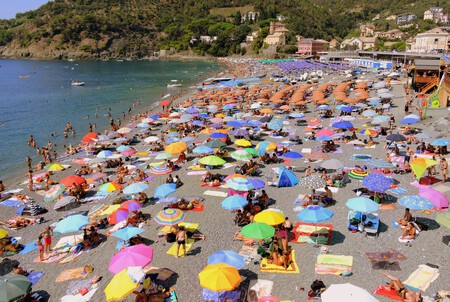
The Political and Cultural Debate: The challenges facing Italy’s beaches have sparked wider discussions regarding the concentration of private management along the coastline, limiting the availability of public beaches. Notable figures, including actor Alessandro Gassmann, have emphasized that the combination of inflationary pressures and high costs is steering Italians toward free public beaches.
While proponents of private beaches argue that rising prices reflect the inclusion of amenities like lifeguards and safety services, critics assert that these concessions have morphed into financial traps for families desperate for leisure. Locals express a profound sense of alienation from their coastal heritage, lamenting how regions like Apulia have evolved from accessible paradises to exclusive resorts.
Citizen Rebellion: The discontent has materialized into protests throughout Italy—from Sicily to Liguria—highlighting public frustration. For instance, politicians like Matteo Hallissey organized strong demonstrations against illegally placed barriers obstructing beach access. In Mondello (Sicily), protests led to the order to remove barriers that inhibited access to sand beaches. In Metaponto (Basilicata), police took action to seize illegally placed beach equipment.
In Naples, demonstrators protested against cordoned-off segments of coast while activists in Marina di Pietrasanta nailed umbrellas into the sand as a symbolic reclamation of coastal areas. These collective actions reflect a growing awareness that Italy’s precious coastline is being subverted for private interests with the complicity of fearful politicians.
The Lobby Strength: The beach concession sector represents a significant economic lobby tied closely to familial and hereditary businesses throughout Italy’s coastal regions. In towns like Bacoli near Naples, the beach facilities can attract over 100,000 visitors per day during peak summer.
This lobby’s power has led to governmental inertia; successive administrations have avoided addressing the privatization of beaches for the last two decades. Some mayors, such as Josi Della Ragione of Bacoli, have begun making waves with new policies ensuring that at least 50% of the coastline remains publicly accessible and demanding the dismantling of unlawful structures that block passage.

Mountain Displacement: An interesting trend is that as private beach visitation declines, many Italians are rerouting their vacations to the mountains , notably the Dolomites, with local municipalities already indicating a risk of overcrowding. This shift is not solely economically motivated; increasing numbers of Italians seek cooler climates away from the oppressive heat intensified by climate change.
This migration signals a cultural transition for Italian summer vacations, where the traditional model of private beach outings is increasingly overshadowed by new social, economic, and environmental realities.
As Italians continue to adapt to the changing landscape, the vibrancy of community feasts on the beach, symbolized by colorful picnic tables lined with homemade treats, remains a vital testament to the resilient spirit of the Italian summer, no matter how privatized the coastlines become. These simple gatherings reflect a stubborn determination not only to enjoy food and family but also to reclaim the essence of Italy’s communal identity in a modern world that threatens to push it away.
Image | Phill Connell, Rawpixel
In Xataka | In Italy, farmers are so fed up with tourists they are installing lathes in the mountains. Literally.
In Xataka | A city of Italy wanted to be the new Venice of Tourism. Now that they have achieved it, they have a problem: living costs have skyrocketed.