
Reassessing the EU-Israel Association Agreement Amid Gaza Crisis
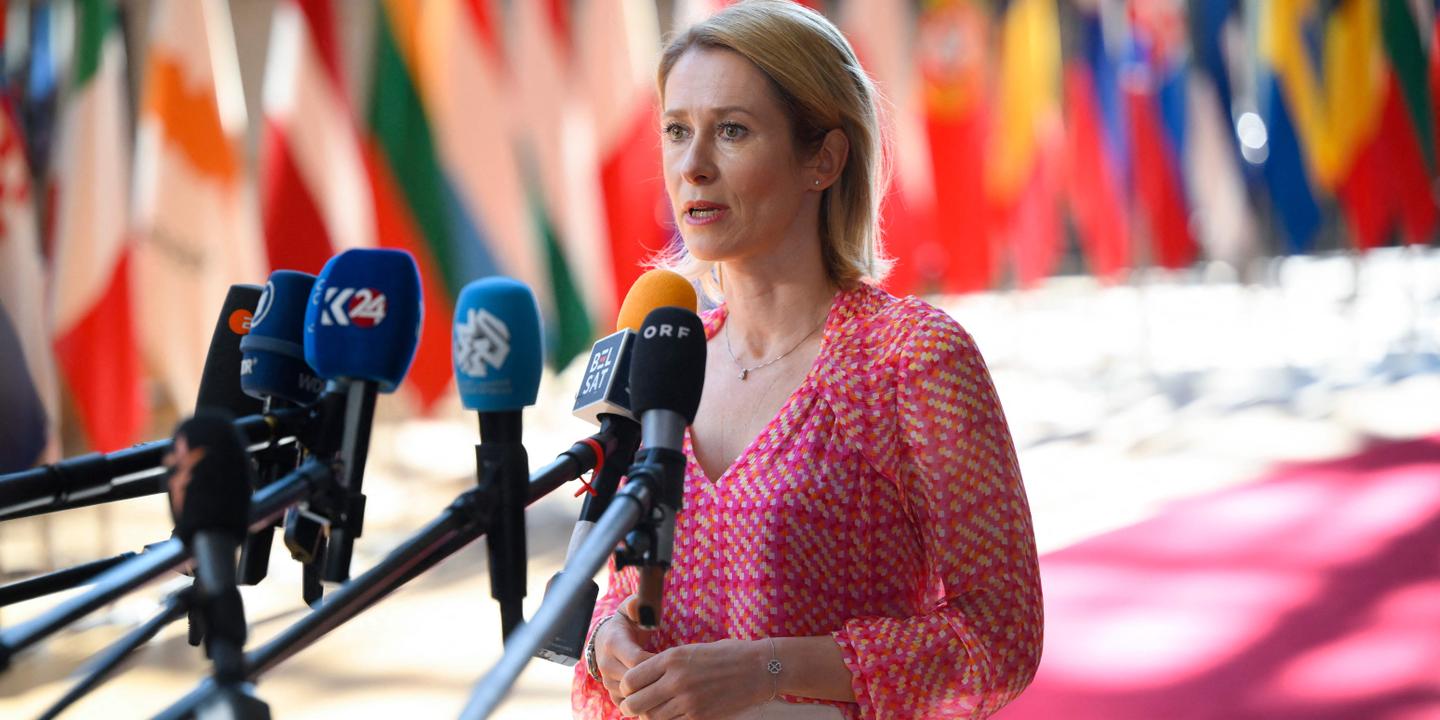
“There is a large majority in favor of the review of article 2 [on the respect of human rights] of our association agreement with Israel. So we are going to embark on this exercise,” declared Kaja Kallas, the head of the European diplomacy, during a significant meeting of the European Union’s foreign ministers in Brussels.
Established in 1995 and activated in 2000, the **EU-Israel association agreement** embodies more than just a political dialogue. It symbolizes a **liberalization of trade**, which has positioned the EU as Israel’s foremost trading partner. Over time, this agreement has broadened, incorporating Israel into numerous community policies, including dependencies like research initiatives and educational exchanges through programs such as **Erasmus**.
Intrinsically rooted in the **1993 peace process**, this agreement also reflected the EU’s commitment to support Palestinian statehood. An additional agreement signed in **1997** with the Palestinian Authority aimed to aid in establishing the necessary infrastructure for a future Palestinian state.
Of particular significance is the **second article** of the association agreement, which asserts that interactions between the EU and Israel should rest on the tenets of **human rights** and **democratic principles**. These commitments have largely been overlooked by various Israeli governments, particularly those led by **Ariel Sharon** (2001-2006) and **Benyamin Netanyahu**, contributing to the acceleration of **colonization** and annexation of Palestinian territories. In 2012, the EU took a momentous step, not by retracting the agreement, but by suspending political dialogue at the ministerial level. This dialogue was reinstated in **2022**, although little to no advancement has been recorded since.
The Current Situation in Gaza
The recent surge of violence in **Gaza** has drawn significant attention and concern from the **international community**. Casualties have mounted, and humanitarian conditions have worsened dramatically, compelling the EU to address the implications of its agreements with Israel. The **Gaza crisis** emphasizes the need for urgent dialogue and reassessment of existing political frameworks, particularly concerning human rights and accountability.
Kaja Kallas’ announcement regarding the potential review of Article 2 indicates a **shift in European policy** towards Israel. A majority of EU member states now advocate for a rigorous examination of human rights violations, prioritizing ethical considerations over political ties. This stance is groundbreaking and points towards a nuanced understanding that human rights must underpin international agreements.
Broader Implications for EU Foreign Policy
The reassessment of the **EU-Israel partnership** risks broader ramifications. Should the EU adopt stricter measures, it could potentially reshape geopolitical alliances in the region. The notion that **economic ties** can coexist with **human rights concerns** is under scrutiny, and the implications of this review could extend beyond Israel to affect other partnerships held by the EU.
Moreover, this recalibration of diplomacy will serve as a reference point for future engagements between the EU and other nations. Set against the backdrop of heightened **global tensions**, particularly surrounding conflicts involving state and non-state actors, the EU’s consistent stance on human rights could bolster its critical role in international diplomacy.
The Way Forward
As deliberations progress, the EU faces the challenge of balancing **diplomatic relations** with the imperative to uphold human rights. The forthcoming review of the EU-Israel association agreement presents both an opportunity for meaningful advancements and a risk of exacerbating existing tensions. The commitment to human rights, a core principle of EU policy, could redefine its international engagements in the coming years, especially in light of the **Gaza conflict**. The decisions made in the near future will either reinforce or undermine the EU’s credibility as a champion of human rights on the world stage.