
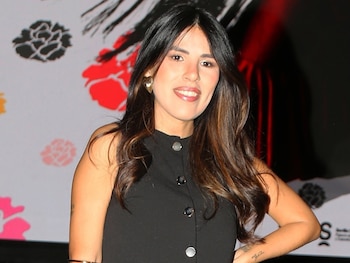
Isa Pantoja’s Journey Through Motherhood and Self-Recognition
Isa Pantoja, a well-known Spanish personality and sister to Kiko Rivera, has been using social media as a platform to share her experiences since the birth of her second child, Cairo, on June 22. The postpartum period has brought emotional challenges, and Pantoja has candidly shared her journey with her followers on Instagram.
After becoming a mother, Pantoja opened up about struggles she has faced, particularly with self-identity in the weeks following childbirth. She described the profound feelings of insecurity and confusion she’s experiencing, raising concerns about the possibility of postpartum depression. While she has realized the importance of sharing these feelings, it has not been easy for her.
Facing the Challenges of Postpartum Recovery
Recently, Pantoja provided an update on her condition through a personal video. She demonstrated how her body has changed, revealing her struggles to recognize her figure after undergoing a caesarean section. The video was an honest portrayal of her reality, as she highlighted that she needed to lose only 3.7 kilograms to return to her pre-pregnancy weight.
In her own words, Pantoja described her body 18 days postpartum: “This is my body… trying to recognize the truth.” She explained that choosing clothing has become perplexing as her previous clothes no longer fit correctly. “The last kilos are the ones that are costing me the most,” she admitted, showcasing her belly’s appearance and how it has changed since giving birth.
The Emotional Rollercoaster of Motherhood
Her transparency about her postpartum body speaks volumes about the rollercoaster of emotions many new mothers face. Pantoja commented on how certain areas of her body, particularly her belly, remain tender and soft from the changes induced by pregnancy. “Recognizing myself is also self-love,” she stated, implying that her mental state is gradually improving.
It’s not unusual for new mothers to experience self-doubt, especially regarding body image. Pantoja’s openness allows others to feel less isolated in their experiences, showing that these feelings are shared by many. The emotional toll of new motherhood can be taxing, and platforms like Instagram provide a vital space for discussions about mental health.
A Realistic View of Modern Motherhood
Pantoja’s journey serves as a reminder that social media often showcases perfection, but in reality, motherhood is fraught with challenges. The contrasts between the idealized image of a mother and the struggles many face are stark. By sharing her story, Pantoja not only humanizes her experience but also validates the feelings of countless women navigating the same path.
Pantoja concluded that she is slowly accepting her new reality and adjusting to the changes in her appearance post-pregnancy. “I still use high panties… feeling more secure,” she mentioned, emphasizing common postnatal experiences. Learning to embrace and love one’s new body can be a painful journey, but it is necessary for self-acceptance.
Encouraging Conversations About Mental Health
The dialogue surrounding postpartum issues highlights the need for ongoing discussions about maternal mental health. Pantoja’s open admission of her struggles may encourage other women to seek help if they find themselves in a similar situation. By normalizing these conversations, society can contribute to reducing the stigma associated with postpartum depression.
As Pantoja shares her journey, she emphasizes that self-love is foundational in overcoming feelings of insecurity and sadness. Through her social media platform, she continues to inspire many women to embrace their bodies and support one another through the complexities of motherhood.
The emotional and physical journey of postpartum recovery can be overwhelming, but Pantoja’s courage in sharing her story creates a sense of unity among mothers. By revealing her vulnerabilities, she not only empowers herself but also resonates deeply with those who follow her and look up to her as a source of support and inspiration.