
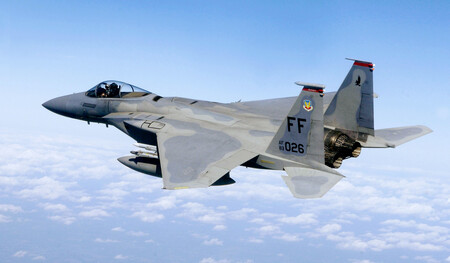
The Takdown That Changed the Conversation
The downing of a US F-15E fighter jet over Iran last month was more than just a militaristic event; it marked a significant turning point in geopolitical dialogues. It had been decades since an American aircraft was shot down by enemy fire. The dramatic rescue operation, which saw one crew member hiding for two days in the Zagros Mountains, highlighted the dire implications of this incident.
A Shift in Focus: Iran to China
As investigations progress, the narrative is shifting from evaluating Iranian military prowess to examining China’s role in this incident. According to sources cited by NBC News, suspicions are centering on the possibility that the F-15 was downed by a Chinese-made portable anti-aircraft missile, known as a MANPAD. This shift raises grave concerns about Beijing’s involvement in enhancing Tehran’s military capabilities.
Understanding MANPADS
From a military standpoint, portable anti-aircraft missiles are not revolutionary in their operation. Their affordability and ease of deployment make them effective against advanced air capabilities. However, the focus is less on the missile itself and more on its origins.
If indeed Chinese technology was involved, this incident could signify a direct or indirect role of Beijing in striking a significant blow against American airpower. Such speculation prompts a reconsideration of how Tehran managed to shoot down an F-15, directing more scrutiny toward China’s influence in military affairs.
The Shadow of Broader Support
Accusations against China extend beyond missiles; reports suggest potential Chinese provision of radar systems that can detect stealth aircraft and space-based capabilities for target identification. While these claims have not been conclusively proven, they paint a troubling picture in Washington. The implication is a growing technological support network that, without direct military involvement, could drastically empower Iran against the US and its allies.
The Contradiction of American Diplomacy
This situation further complicates American diplomatic efforts. The US finds itself in a precarious position, needing to contain Iran while maintaining constructive relations with China—Tehran’s primary oil buyer. Throughout past negotiations, especially under the Trump administration, the US sought Chinese cooperation to stabilize the region.
However, each fresh accusation regarding Chinese military support to Iran complicates this delicate balance. Washington must navigate the fraught landscape of needing Chinese assistance in regional stability while simultaneously accusing it of bolstering an adversary’s military capabilities.
The Real Message
The downing of the F-15 underscores a narrative far more consequential than the loss of an aircraft. It raises critical questions about the interconnectedness of regional conflicts and global strategic dynamics, particularly in relation to China. The ongoing investigation not only seeks to uncover the circumstances of the shootdown but also aims to determine the technological underpinnings that made it possible.
As evidence continues to unfold, the discussions surrounding the incident increasingly draw focus away from Tehran, shifting instead toward Beijing. This highlights a broader concern regarding China’s influence in empowering nations that challenge US power on multiple fronts around the globe.