
Iran’s Nuclear Negotiations: A Complex Diplomatic Landscape
The situation surrounding Iran’s nuclear program is growing more intricate as diplomatic efforts falter amidst escalating military tensions. Iranian officials recently expressed skepticism regarding the potential for renewed talks with the United States, following contradictory statements from Washington. As countries grapple with the implications of nuclear proliferation, the uncertainty surrounding Iran’s dealings with the West poses significant geopolitical risks.
Diplomatic Stalemate
On Thursday, the Iranian government remained noncommittal about resuming negotiations with the U.S. on its nuclear program. This statement came in the wake of U.S. President Donald Trump’s remarks hinting that discussions could continue next week. The dialogue around nuclear negotiations has become increasingly tangled with regional conflicts, particularly following an uptick in military actions linked to Israel and Iran.
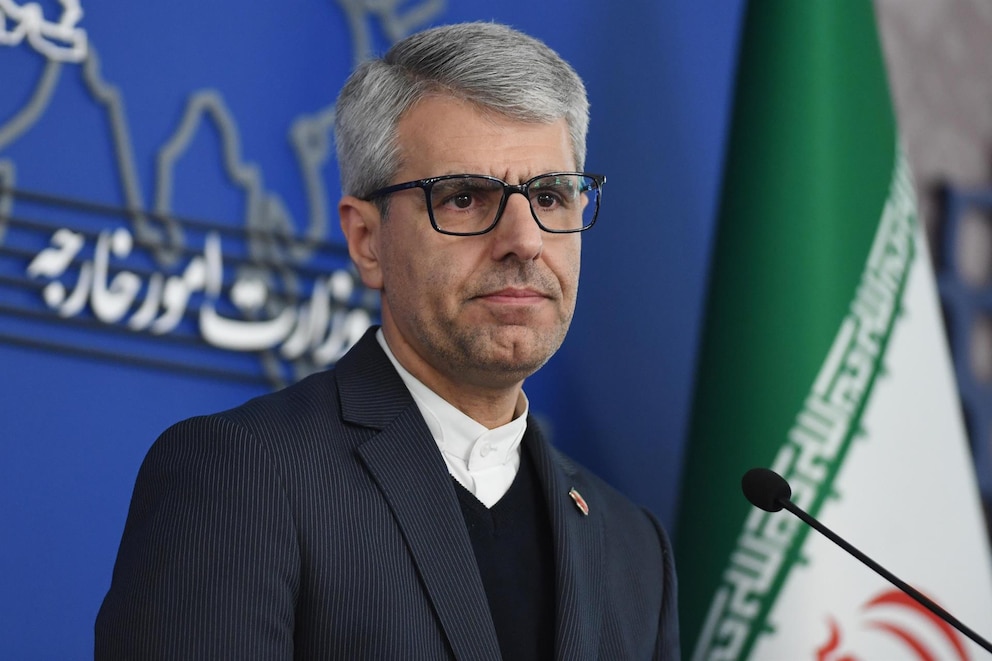
Esmaeil Baqaei, a spokesman for Iran’s Foreign Ministry, criticized the U.S. for what he termed "contradictory statements." He argued that while Washington spoke of diplomacy, it simultaneously supported Israel’s actions against Iran—actions he described as acts of aggression. He questioned the sincerity and reliability of U.S. intentions, highlighting a lack of trust that complicates any potential for productive discussions.
Israel and U.S. Military Actions
Baqaei’s comments underscore the turbulent relationship between Iran and its regional adversaries. Just days before the proposed diplomatic meetings in Muscat, Israel initiated airstrikes targeting Iranian military sites, adding yet another layer of tension. Such military actions have intensified skepticism over the U.S.’s commitment to peaceful negotiation, particularly as they coincide with calls for dialogue.
"It raises the question: can we trust them?" Baqaei asked, hinting that the convoluted U.S. approach might merely be a tactic to exacerbate tensions in the region. He expressed concerns that the U.S. and its allies are not genuinely serious about pursuing diplomacy, suggesting that their actions betray a motive to destabilize Iran further.
Iran’s Right to Nuclear Energy
In the context of these diplomatic tensions, Iran has reiterated its right to pursue nuclear energy for peaceful purposes. The country has invoked Article 4 of the Nuclear Non-Proliferation Treaty (TNP), emphasizing its entitlement to use nuclear energy. Baqaei has clearly stated Tehran’s determination to uphold this right, adding that the Iranian government does not seek weapons of mass destruction. He articulated this stance in direct response to claims made by U.S. intelligence regarding the supposed threat posed by Iran’s nuclear ambitions.
U.S. Position and Intentions
Trump’s administration has voiced a desire to engage with Iran, although the president has also stated that he does not see a pressing need for an agreement at this stage. He argued that much of Iran’s nuclear capability has been compromised due to U.S. and Israeli military actions. "I am not worried if there is an agreement or not," he asserted, reflecting a rather nonchalant approach as compared to the high stakes involved in nuclear negotiations.
This statement suggests that the U.S. may be adopting a more relaxed stance towards Iran’s nuclear progress, despite previous assertions that a comprehensive agreement would be necessary to ensure regional stability. The inconsistency of U.S. rhetoric has led to confusion and has fueled speculation about the real objectives behind its policies in the region.
Damage and Disruption
Irrespective of diplomatic posturing, both the U.S. and Iran seem to agree on one point: recent attacks have indeed caused significant damage to Iran’s nuclear infrastructure. Baqaei admitted that the facilities targeted by military strikes were "seriously damaged," which raises critical questions about how quickly Iran can recover and whether this will affect its capabilities moving forward.
Following these military confrontations, Israel’s defense narrative has focused on the necessity of undermining Iran’s alleged nuclear weapons program, a claim Tehran has consistently denied. These attacks were followed closely by a resolution from the International Atomic Energy Agency, pointing to violations by Iran in regards to its nuclear obligations—a situation that only deepens the diplomatic quagmire.
The ongoing conflict between Iran, Israel, and the United States bends the contours of international diplomacy, often relegating the peaceful aspirations of nations to the backdrop of military strategies. As regional tensions simmer and diplomatic talks remain stalled, the implications for global security appear increasingly dire.
The future of Iran’s nuclear program hangs in a precarious balance as military actions and diplomatic overtures continue to shape the narrative. The combination of skepticism, aggression, and shifting geopolitical dynamics presents a challenging landscape, where the path forward remains murky and fraught with uncertainty.