
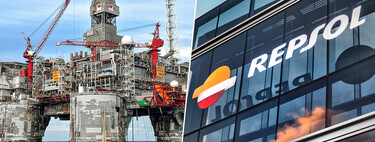
Investing a Million in Reviving Venezuela’s Infrastructure
The recent geopolitical shifts, particularly the capture of Nicolás Maduro by U.S. forces, have positioned Donald Trump’s administration as the de facto “guardian” of the world’s richest yet most beleaguered oil sector. As oil giants gather to discuss the future of Venezuela’s oil industry, Repsol’s CEO, Josu Jon Imaz, is at the forefront, seeking urgent licenses to resume crude oil exports frozen since the March 2025 trade embargo.
The Need for Infrastructure Revitalization
Resuscitating a “Broken” Industry
In a pivotal meeting, Trump urged oil companies to invest a staggering $100 billion to revitalize an ailing sector. The situation is dire; deteriorated infrastructure has led state-owned PDVSA to dismantle oil pipelines for metal scrap. Yet, Repsol boldly plans to triple its oil production from 45,000 to 135,000 barrels per day in just three years.
Overcoming Technical Challenges
Venezuelan crude oil is classified as “extra-heavy,” resembling dense tar and arriving at refineries contaminated with salt and metals. Only companies like Repsol, which has been operational since 1993, possess the technical expertise required to manage this “heavy food.” But oil is only part of the equation; 90% of Repsol’s production in the La Perla field consists of natural gas. This gas, crucial for powering 33% of Venezuela’s electricity, lacks the necessary infrastructure for profitable export. Building liquefaction facilities is imperative yet currently non-existent.
Navigating Geopolitical and Economic Minefields
Pragmatic Moves in a Complex Environment
To ease investments, Washington has declared a “national emergency,” permitting the U.S. Treasury to safeguard Venezuelan oil revenues in American accounts. This unprecedented measure aims to protect funds from creditors, offering oil executives the “total security” Trump has promised.
Industry Skepticism
While Repsol asserts its readiness to invest, skepticism looms. ExxonMobil’s CEO Darren Woods highlighted that Venezuela remains “uninvestable” without significant legal reforms. Following years of asset confiscation, the historical relationship between U.S. firms and Venezuela complicates the landscape.
Financial Minefield
Repsol grapples with a €330 million debt to PDVSA and faces stiff competition from companies like Chevron, which maintains advantages due to its strong ties with the Trump administration. Analysts caution that firms must consider abandoning past debts to compete on a “level playing field.” This could mean letting go of losses accrued under previous regimes to secure future exploitation rights.
A Critical Decision
Repsol is at a crucial juncture where it must decide whether to invest significantly in fossil fuel infrastructure while the world shifts toward renewable energy. The €1.16 billion trade deficit with Venezuela signals an alarming dependence on an inconclusive economic landscape.
Conclusion: The Path Ahead
Venezuela, long known as the largest gas station globally, now stands in ruins. Repsol’s ability to revive its operations will depend not just on technical capabilities but also on adapting to a rapidly changing geopolitical environment. Experts suggest that the reconstruction of Venezuela’s oil industry could take decades, and only time will reveal if the gamble of investing in this neglected infrastructure will pay off.