
The Controversial Role of Tartrazine in Peruvian Foods
On June 20, the General Directorate of Environmental Health and Food Safety (Digesa) ordered a review of products containing Tartrazine (Yellow dye 5) due to concerns regarding its potential effects, particularly on children. This announcement has raised eyebrows among health experts, parents, and consumers alike.
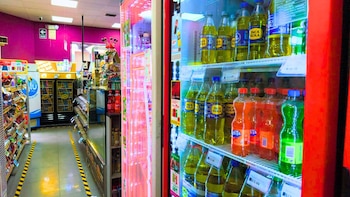
Jessica Huamán, a former Dean of the Lima Nutritionist College, highlighted various Peruvian food products that feature Tartrazine. Classic beverages like Inca Kola, Concord Gold flavor, and the orange drink Encryption, alongside snacks like Chizitos, Lays chips, and Gomitas Trululú, are among the most affected.
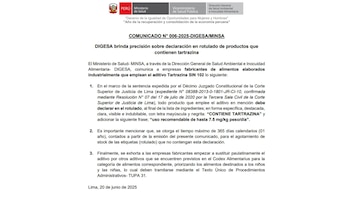
Healthcare professionals warn that products containing this dye may worsen allergies and asthma in children. To mitigate risks, Digesa has mandated that labels on these foods must clearly indicate the presence of Tartrazine at the end of the ingredient list in bold capital letters, stating: “It contains tartrazine.” Additionally, a new labeling requirement states: “Recommended use of up to 7.5 mg/kg weight/day,” enforcing stricter consumption guidelines.
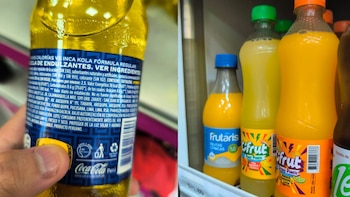
In a detailed investigation by Infobae Peru, several popular brand products were found to contain Tartrazine, raising concerns among health officials as well. It is essential to recognize that many products sold in stores and supermarkets, not exclusively yellow in color, may still harbor this allergenic component.
Here are some identified products containing Tartrazine that require label updates:
- Soda Inca Kola and other similar yellow drinks
- Yellow Concord Gasea
- Wafers (like Wafer Nick)
- Flavored water drinks (at least four of the San Luis flavored waters)
- Yellow moisturizing drinks (like Power)
- Orange juices (some varieties from Mixed Flavors Valley)
- Orange flavor drinks such as Frutais and Cifrut (at least in two flavors)
- Chizitos and Cheetos

A critical aspect of the recent Digesa statement is its continued emphasis on labeling. Since 2012, it has been a requirement for products containing Tartrazine to disclose this on their labels. However, the updated directive emphasizes a new guideline: “Recommended use of up to 7.5 mg/kg weight/day.” This stipulation applies to consumption limits, ensuring greater transparency and consumer safety.
Furthermore, Digesa has allotted a period of one year (365 calendar days) for food manufacturers to comply with the new labeling requirements. This provides a transitional phase for companies to adapt to these regulations, ultimately focusing on consumer health and safety.
While Digesa encourages manufacturers to replace Tartrazine with safer alternatives, it has not yet established a specific timeline or regulation for the transition. This uncertainty leaves many consumers concerned, especially regarding products that are popular among children.
Manufacturers have been urged to gradually replace Tartrazine with other approved additives aligned with national food guidelines, particularly emphasizing products targeted at children. The deadline for compliance with the updated labeling laws is set for June 20, 2026, necessitating a concerted effort from both consumers and manufacturers to navigate these changes.