
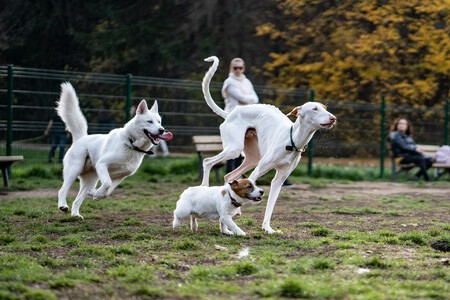
Analyzing Dog Poop DNA in Tres Cantos: A Step Toward Cleaner Parks
Dog ownership often comes with responsibilities, one of the most crucial being the cleanup of pet waste. In Spain, cities like Tres Cantos are taking innovative steps to tackle the persistent problem of uncollected dog feces. This involves analyzing DNA from dog poop to identify and fine negligent pet owners.
Understanding the Context
Spanish parks are known for their beauty, yet a nuisance remains: dog poop. Many owners neglect their responsibility to clean up after their pets, creating unsightly and unsanitary conditions in public spaces. To combat this, some municipalities have introduced DNA databases that can trace uncollected stools back to their owners.
As of late 2025, the Tres Cantos City Council has been actively enforcing this initiative. Using canine DNA detection, the council has begun to identify owners who do not clean up after their dogs, thus allowing them to impose fines.
Legal Framework of Pet Waste Management
Tres Cantos has established an ordinance that mandates pet owners to collect their dog’s waste “immediately.” Failure to comply results in significant penalties, ranging from 300 to 600 euros, depending on whether the individual is a repeat offender. This legal framework aims to foster a cleaner community and promote responsible pet ownership.
Initiatives for Canine Genetic Censuses
The city council announced the creation of a “canine genetic census” approximately a year and a half ago. This program not only seeks to identify pet owners but also educates the community about their legal obligations. The initiative, dubbed “I’m from Tres Cantos, it’s in my DNA,” encourages residents to register their pets’ DNA through a simple saliva sample—often conducted at a local clinic for about 40 euros. The procedure, while seemingly straightforward, is essential for both accountability and community health.
Implementation and Effectiveness
The Tres Cantos program has gained traction, and recent developments are promising. In mid-December 2025, the city government reported that several offenders were identified through the canine DNA system, with strict warnings issued about the penalties.
This initiative aims not just to penalize but to create a culture of cleanliness and accountability among dog owners. The council believes that a genetic registry is a reliable method for protecting animals as well. For instance, it can assist in locating lost pets and provides evidence in cases of mistreatment or abandonment.
Wider Adoption of DNA Tracking for Pets
Tres Cantos is not alone in this effort. As of late 2024, an estimated 81 municipalities across Spain have adopted similar measures. Places like Malaga, Collado Villalba, and Santa Eulària are among the municipalities that have incorporated canine DNA registries, effectively tackling the issue of uncollected feces.
Cities like Alcalá de Henares even have a dedicated “canine CSI,” enabling them to impose fines ranging from 300 to 3,000 euros. These measures show a growing trend toward using technology for civic responsibility.
Conclusion: A Cleaner Future for Communities
The endeavor to analyze dog poop DNA in Tres Cantos signifies a crucial step in enhancing public health and environmental cleanliness. Not only does it hold pet owners accountable, but it also promotes a more responsible pet ownership culture. As more municipalities adopt similar practices, we may witness a decline in public pet waste issues, ultimately leading to cleaner and more enjoyable parks for everyone. The future of pet ownership and community cleanliness appears brighter with these scientific advancements in place.